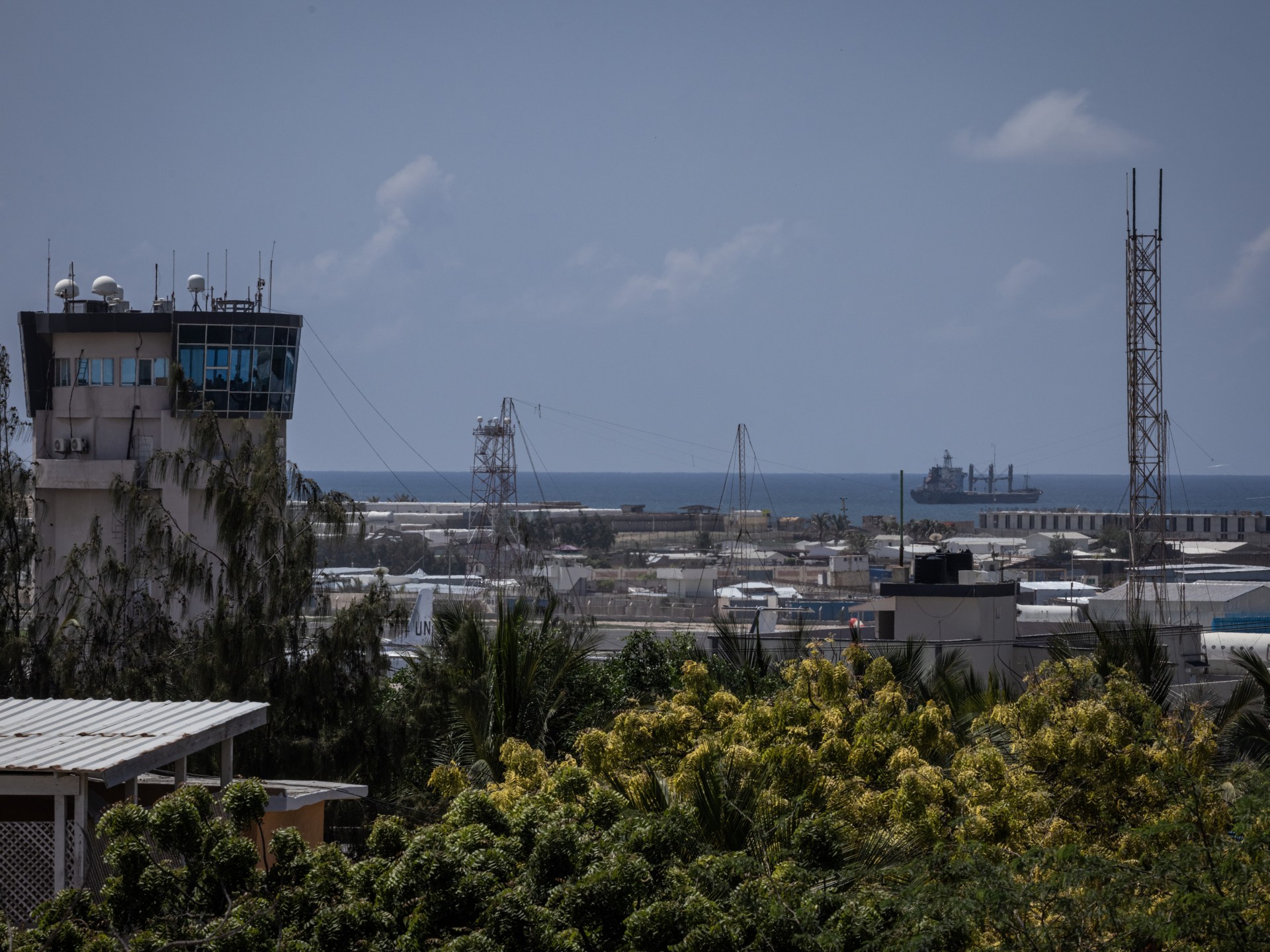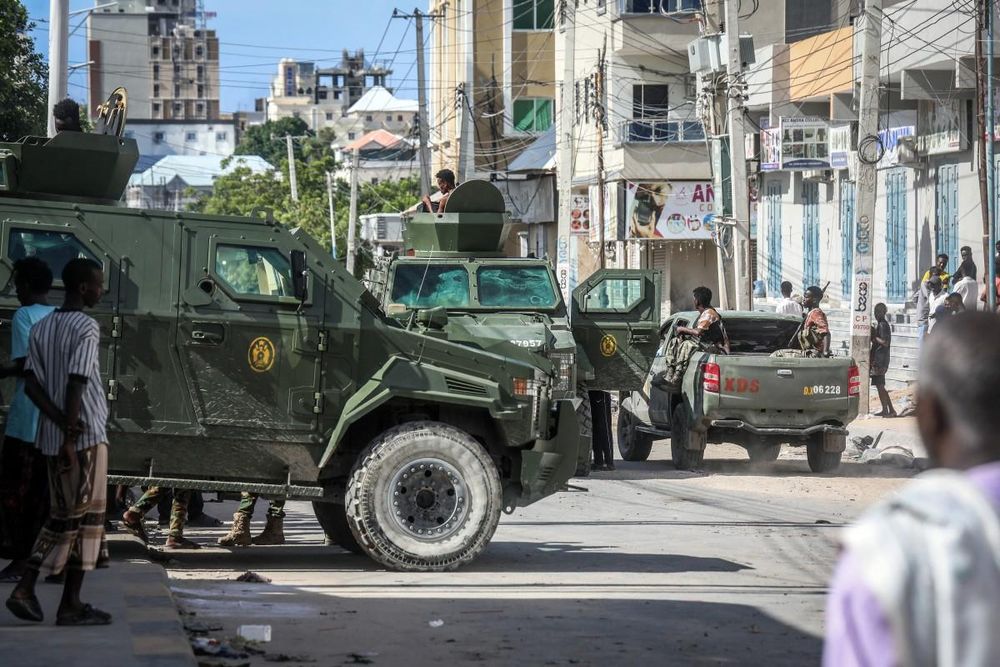
Somali government forces ride in armoured vehicles during a patrol through Mogadishu. Amid growing foreign influence, Somalia faces a critical question: How can it build a strong military without compromising its sovereignty?
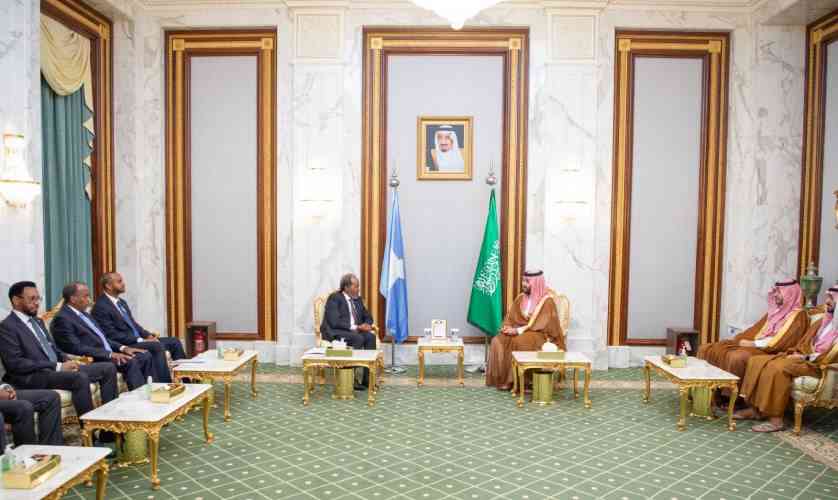
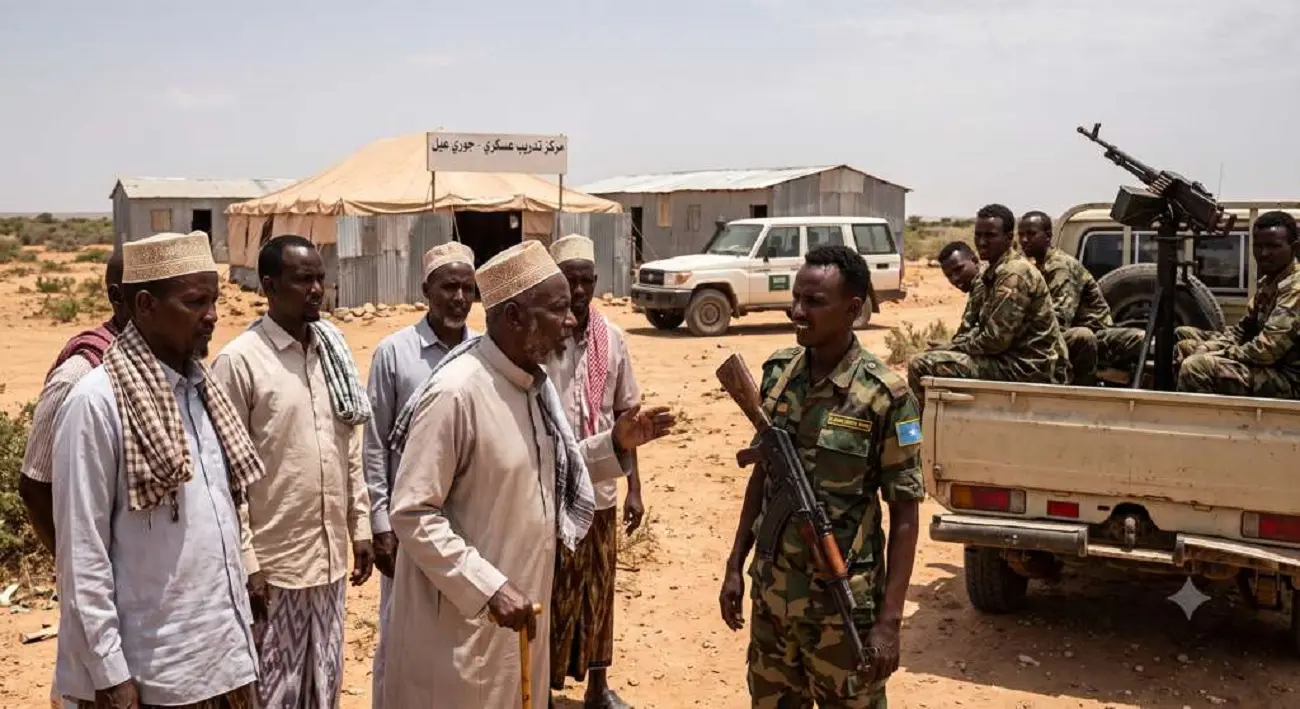
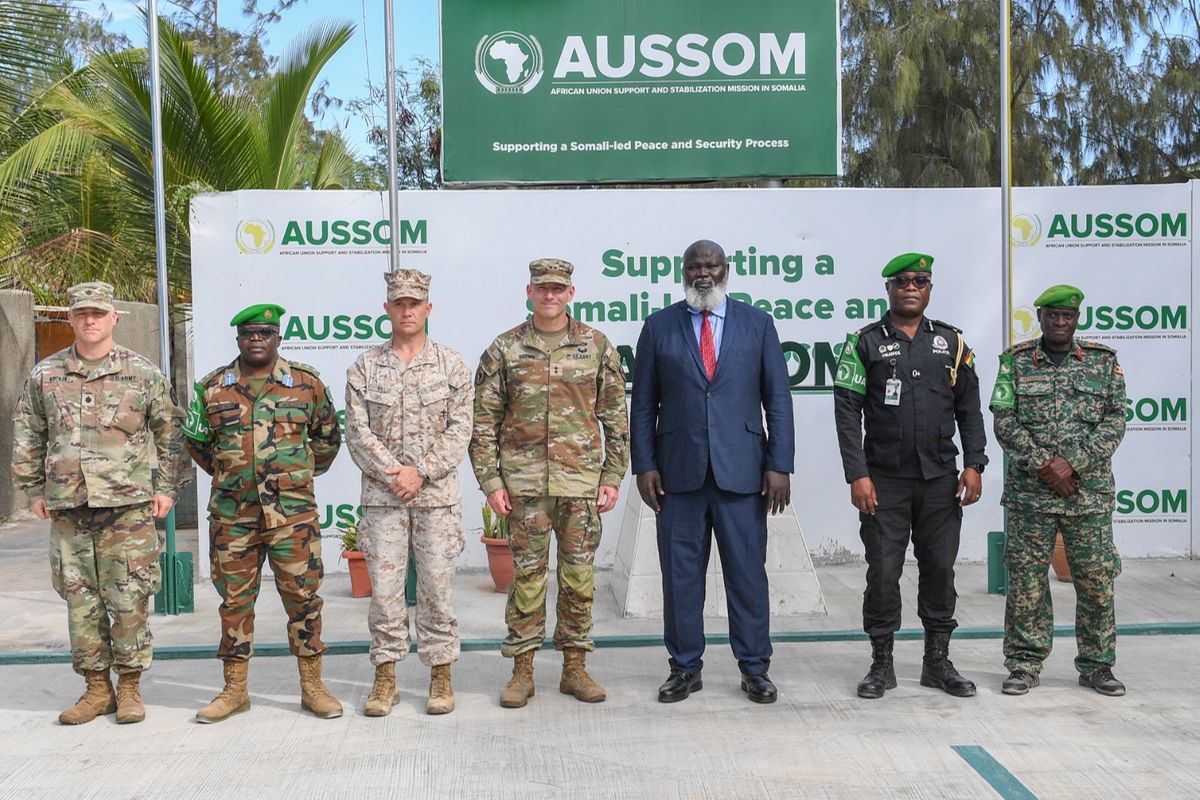
On June 29, a Saudi military delegation visited two training camps for forces affiliated with the Federal Government in the town of Guriel in the Galguduud region of central Somalia, as part of a Riyadh-funded program to prepare military units composed of volunteers. According to the New Somalia newspaper, and as subsequently republished by regional and international sources, the program provides nine months of training for 5,107 recruits, including around 2,000 from Puntland, while the training is conducted by foreign mercenaries from Romania, Ukraine, South Africa, and Colombia. The Somali government has yet to disclose sufficient details regarding the mechanism for selecting these trainers, their contractual status, or the nature of the missions that will be assigned to the units after graduation.
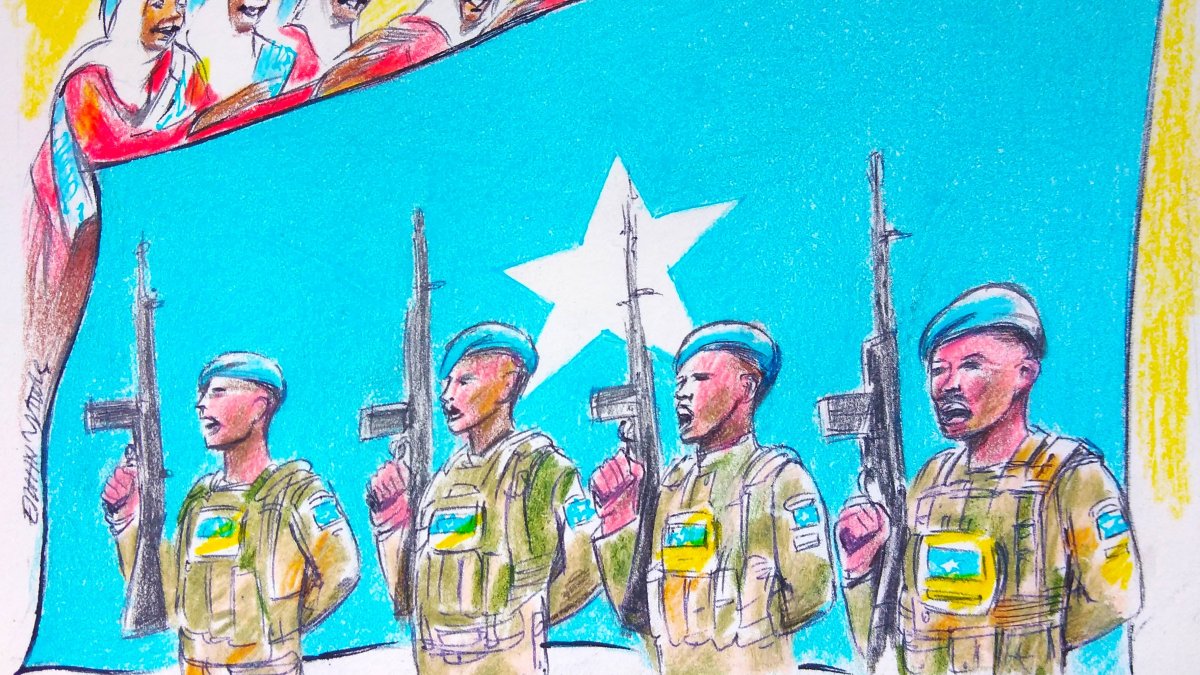
The convergence of such a large number of recruits, external financing, and multinational trainers in a country confronting the expansion of al-Shabaab and deep political divisions makes the issue far more than a technical training project. Rather, it opens an essential debate about Somalia's sovereignty, the identity of its army, and the limits of Saudi Arabia's growing influence within one of the state's most sensitive institutions.