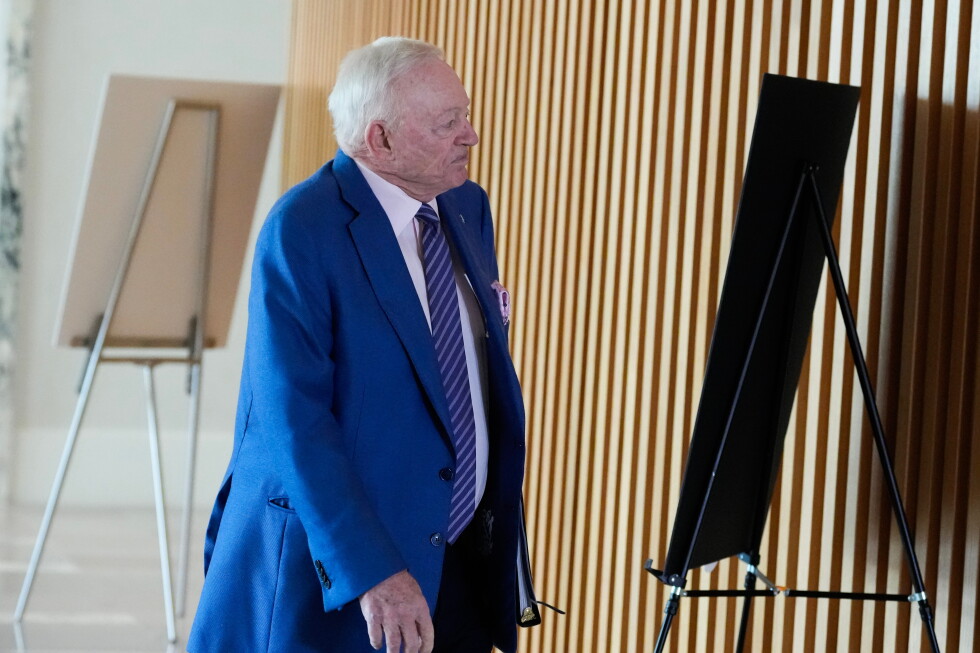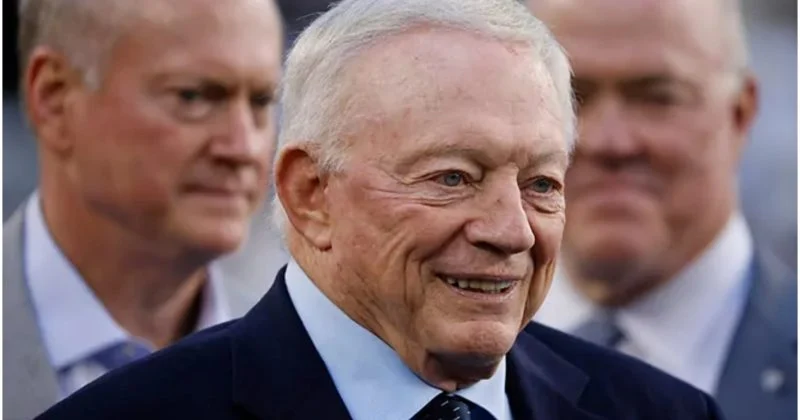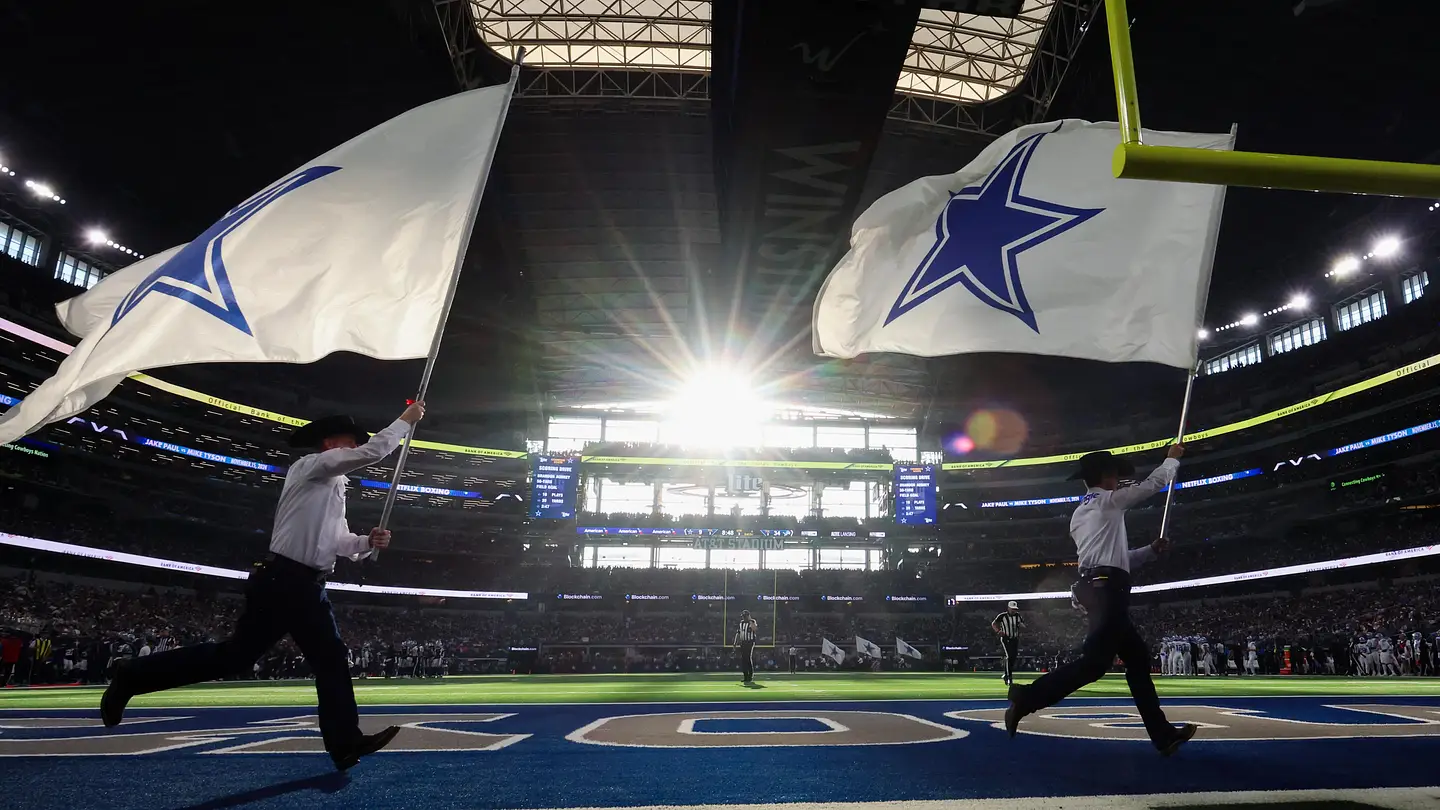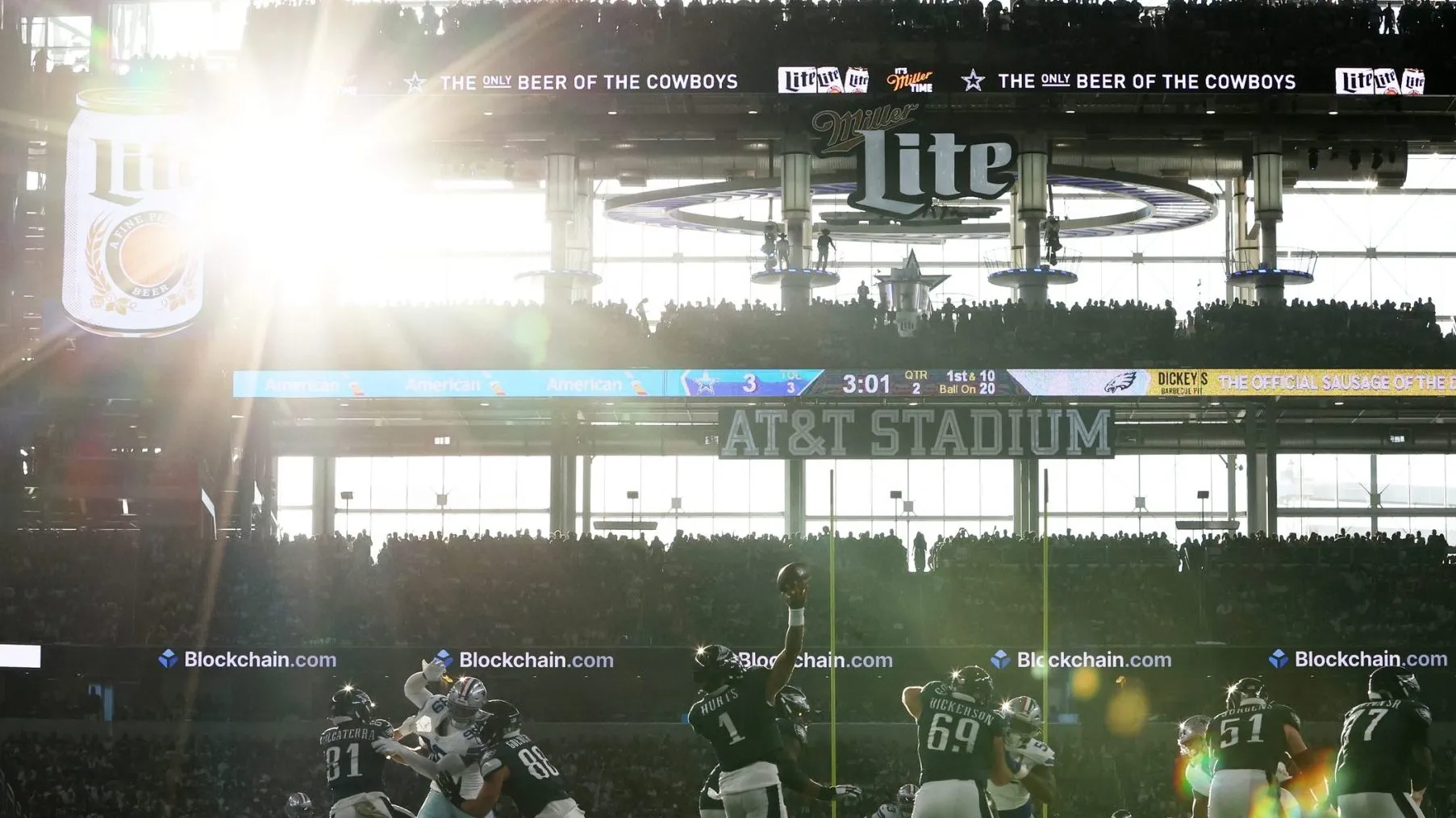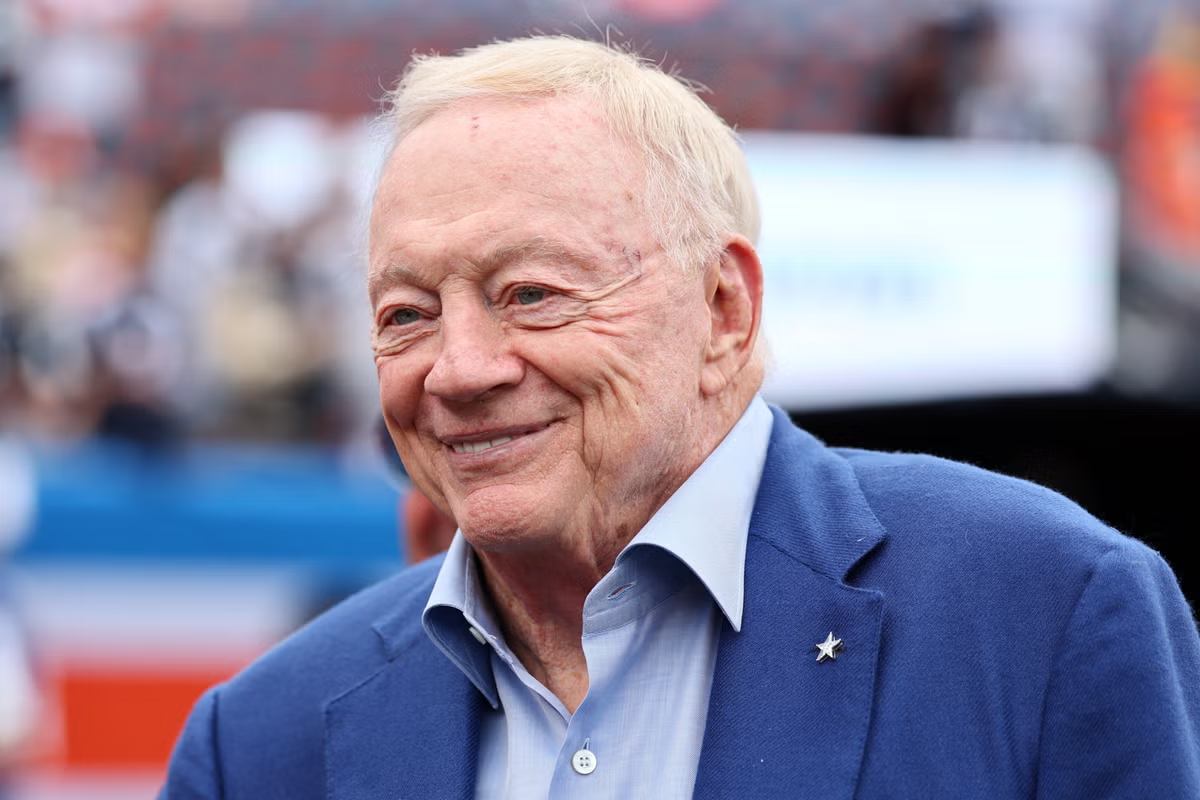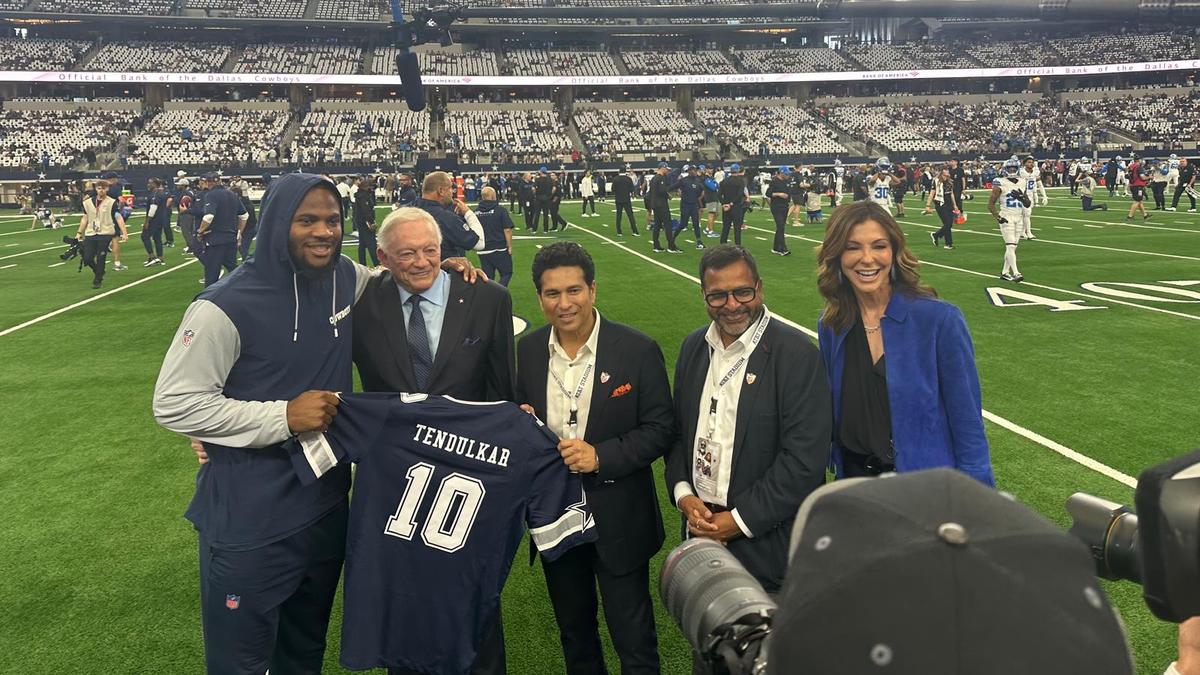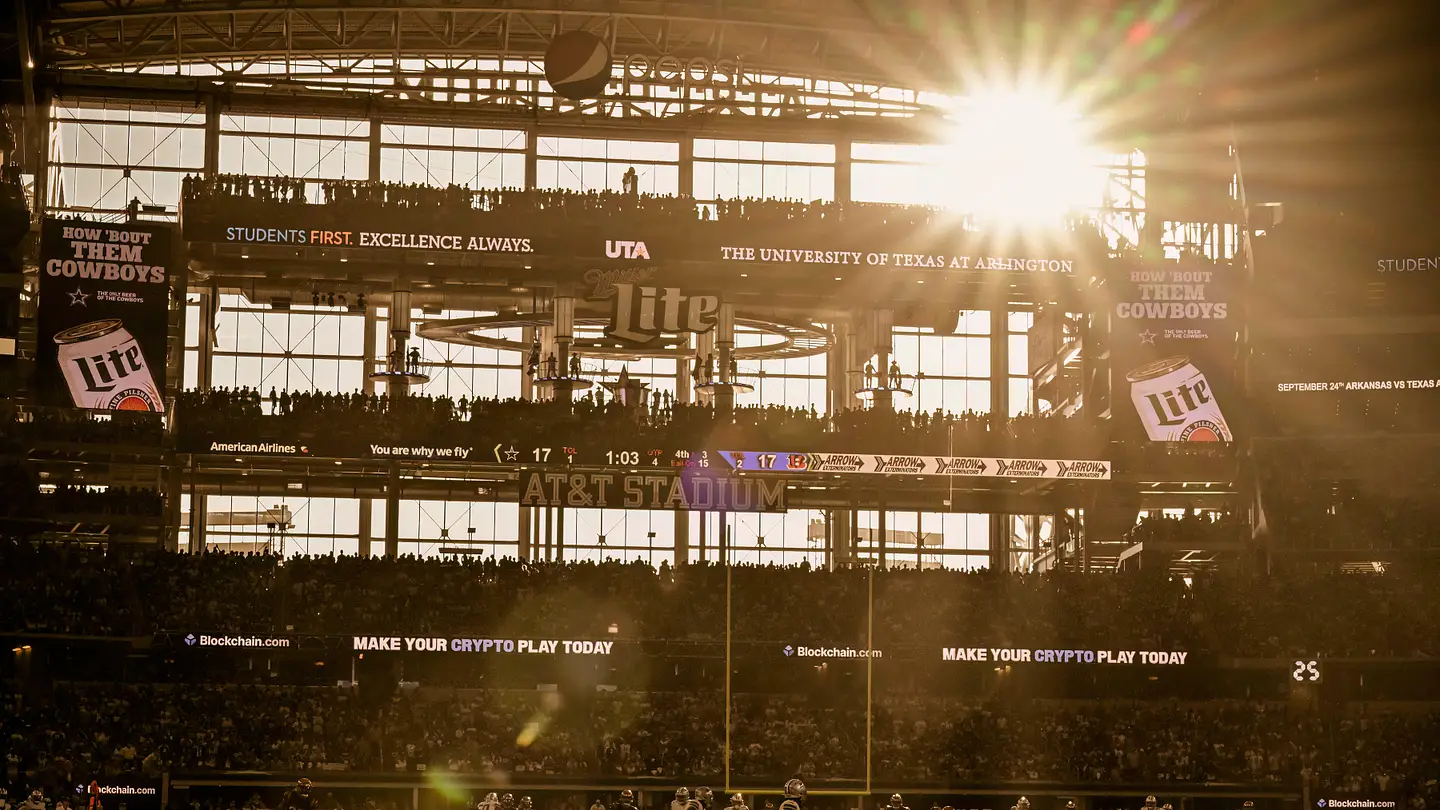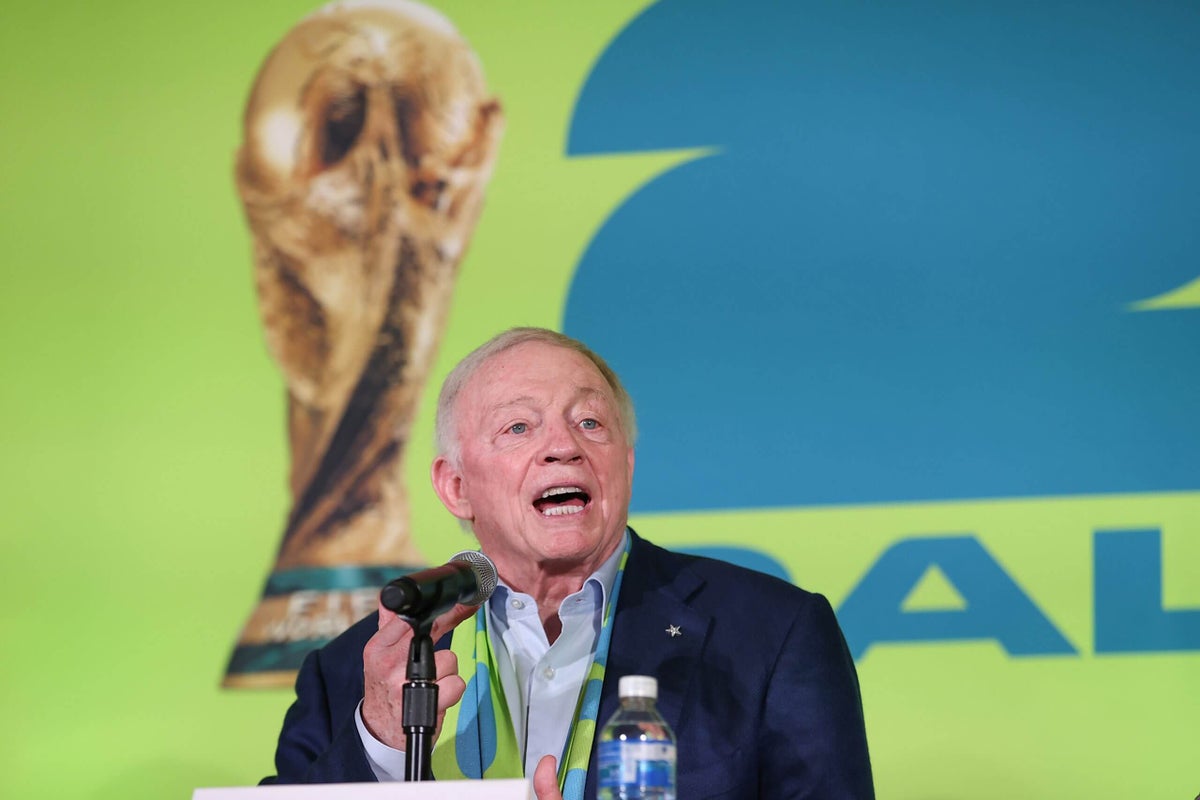
ARLINGTON, Texas — Overlooking midfield at AT&T Stadium is a private suite synonymous with its boss. Jerry Jones, the all-powerful owner of the NFL’s Dallas Cowboys, presides over this building known to many Americans as “Jerry World,” and watches every Cowboys home game from the same favorite perch, that luxury box on the 50-yard line.But on Tuesday, when this 80,000-seat colossus hosts a World Cup semifinal, Jones will be elsewhere — because FIFA has overtaken his space.Gianni Infantino, world soccer governing body FIFA’s president, will instead be in, or near, Jones’ suite.And Jones will be in a separate spot on the stadium’s “Silver Level,” as he has been throughout this World Cup, in a very unfamiliar position: outside the spotlight.Jones hasn’t complained about it. In fact, “it’s all worked out really, really well,” Chad Estis, the Cowboys’ EVP of business operations, said of the World Cup.Estis added that Jones might get “a little emotional” when he sees the stadium come alive for Tuesday’s semifinal between Spain and France, the last of nine World Cup games at the venue over the past month. “I think he’ll be super-proud,” Estis said Monday.Jones himself, though, has been quiet throughout the tournament, perhaps because, in a rare twist, he has had to cede center stage.AT&T Stadium undergoes final preparations before hosting a World Cup semifinal between France and Spain (Franck Fife / AFP / Getty Images)When U.S. stadiums agreed years ago to help co-host this 2026 World Cup, they all signed contracts that gave near-total control of their venues to FIFA, which organizes and runs the tournament. FIFA had the right to transform each venue — to rebrand them, rename them (temporarily) and mold hospitality spaces or other areas to its liking. Stadium operators, such as the Cowboys, were part of the transformation process but rarely had final say on key matters. In many cases, they had to accede to FIFA’s demands.
Even at the house Jerry Jones built, Dallas Cowboys owner makes way for FIFA and its World Cup VVIPs
Dallas' World Cup stadium is casually known as "Jerry World" but the billionaire won't have his own suite for Tuesday's semifinal spectacle
920 words~4 min read