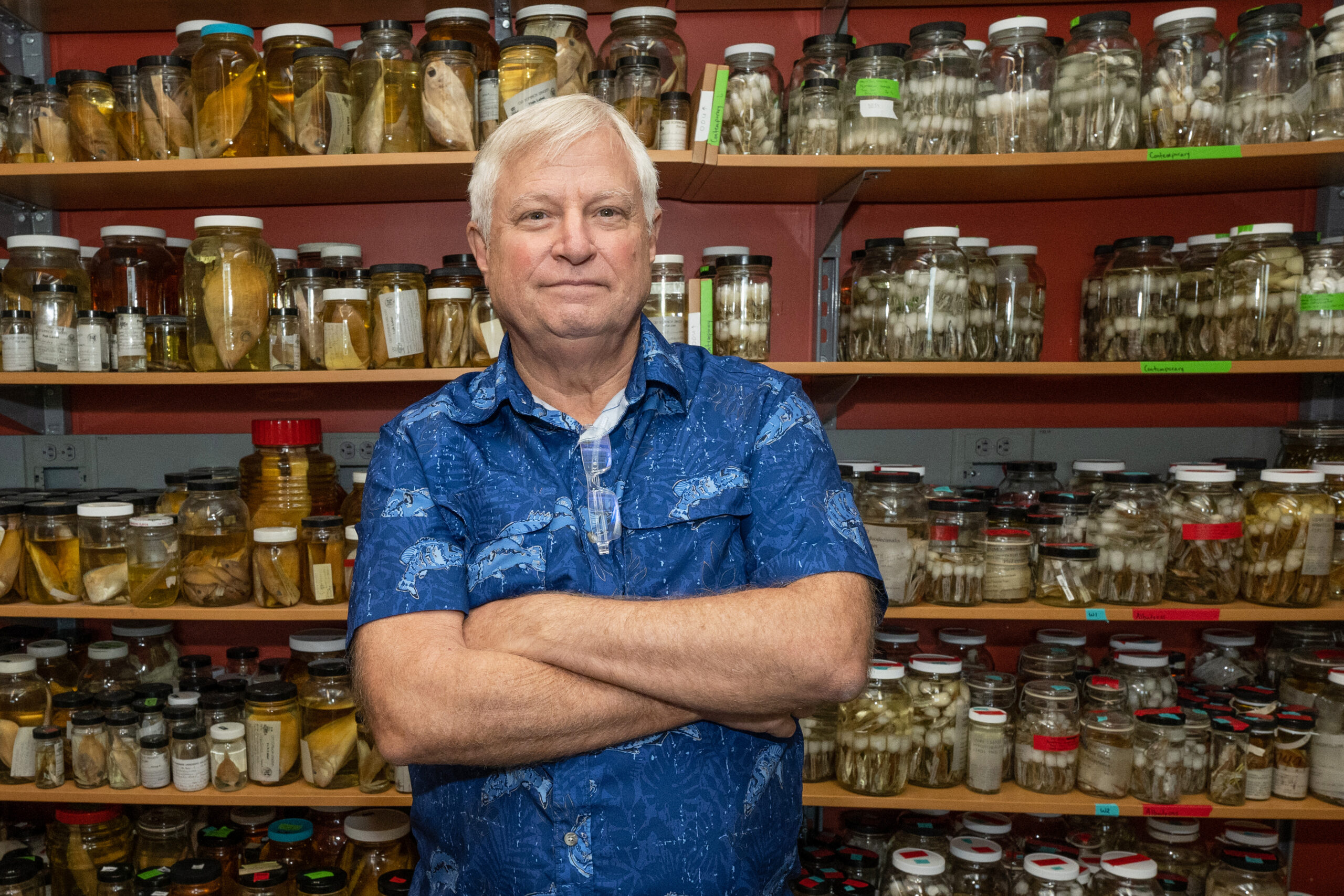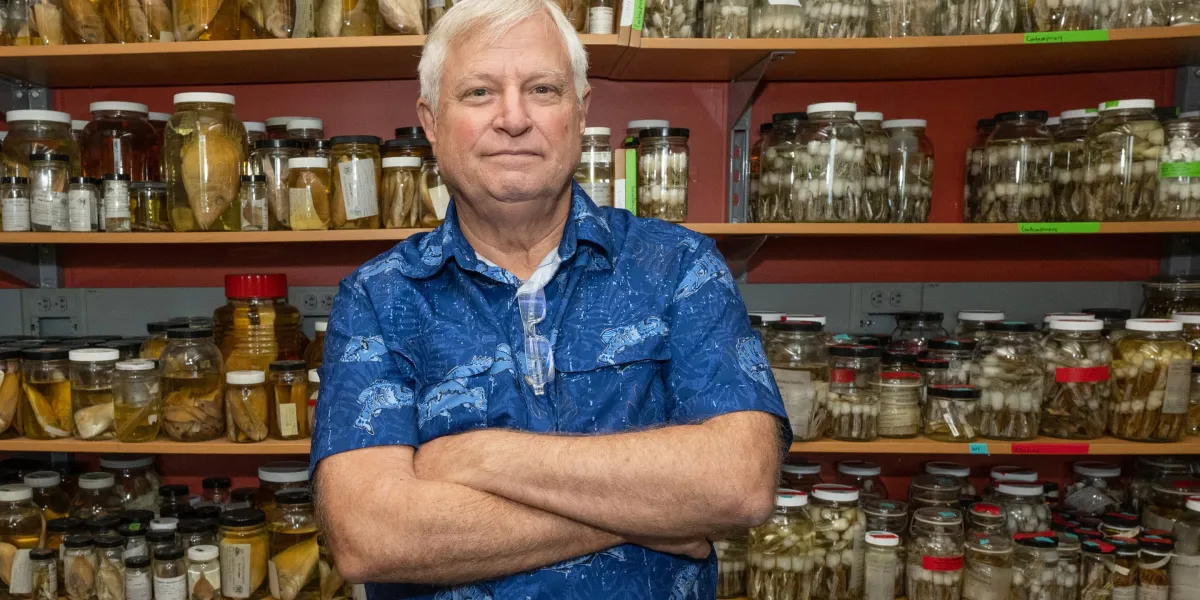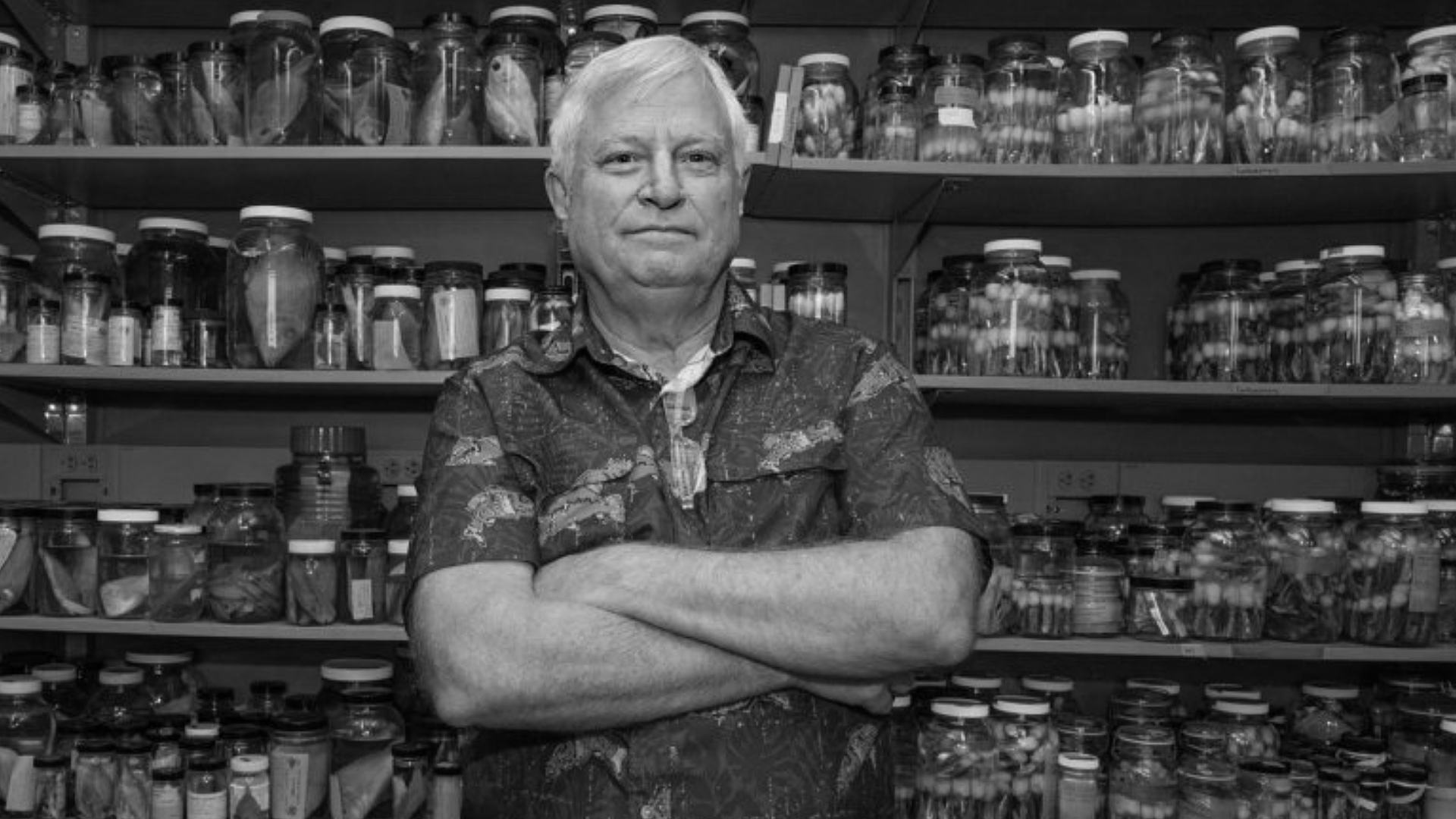
Kent E. Carpenter spent more than 50 years studying the fish, reefs, and marine biodiversity of the Philippines.His mapping of 2,983 species helped identify the central Philippines as the “Center of the Center” of marine shore-fish biodiversity. He combined taxonomy, genetics, conservation, teaching, and policy work to document both the richness of marine life and the pressures reducing it.At 73, he was still conducting field research and contributing to new surveys of Philippine reefs.Carpenter was shot dead at his home in Sibulan, Negros Oriental, on July 12th. An investigation is under way, according to authorities.
By some accounts, in the Philippine reefs of the 1970s, large groupers appeared every 50 feet or so. Some seemed as large as Volkswagen Beetles. Around them were snappers, fusiliers, wrasses, turtles, and corals, along with fish whose identities were still uncertain. A young biologist could spend his days diving and still feel he had only begun to understand what was there.
Kent E. Carpenter arrived in the Philippines at 22, soon after graduating from the Florida Institute of Technology. The Peace Corps assigned him to the Philippine Bureau of Fisheries and Aquatic Resources and put him in charge of coral-reef research. He later called it “the best job there ever was or ever will be in the Peace Corps.” It gave him access to reefs across the archipelago and set the direction of his career.