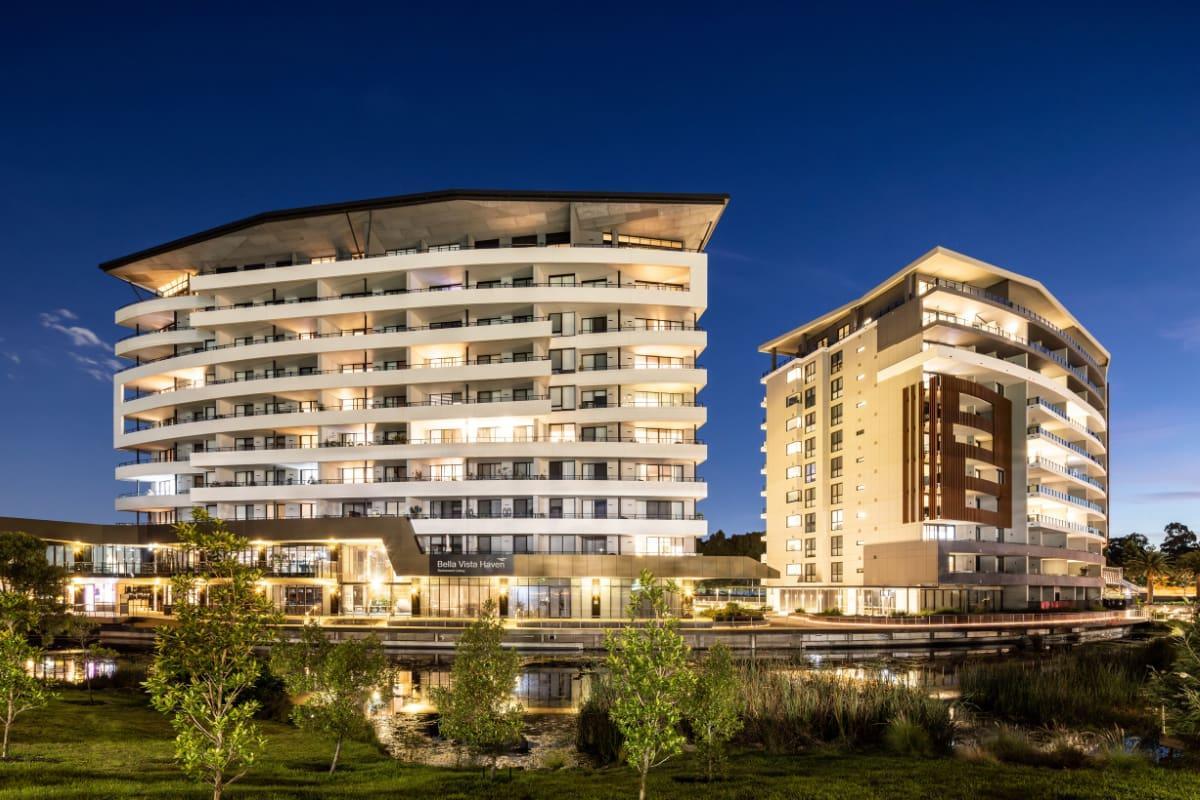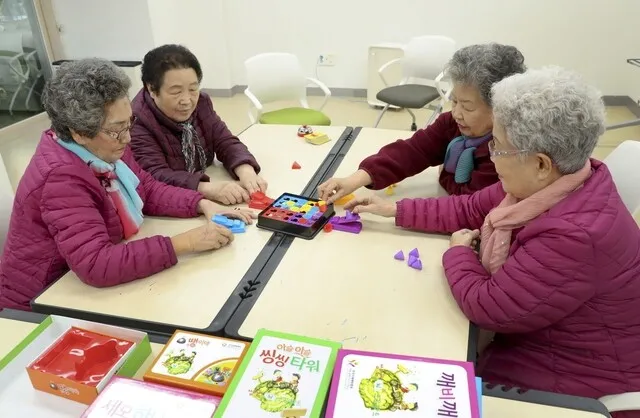
Senior citizens enjoy a game a community residence for the elderly in Seongnam
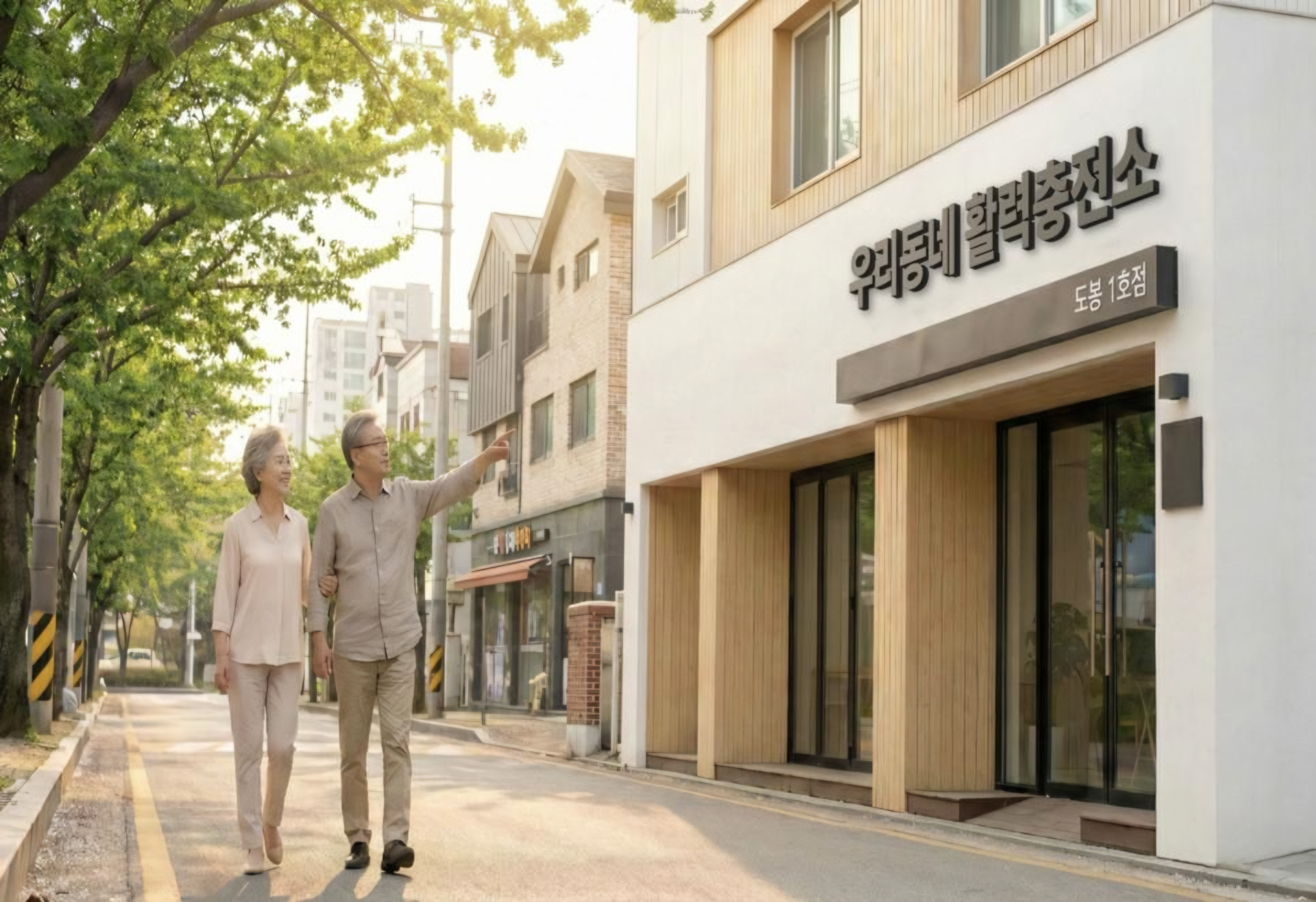
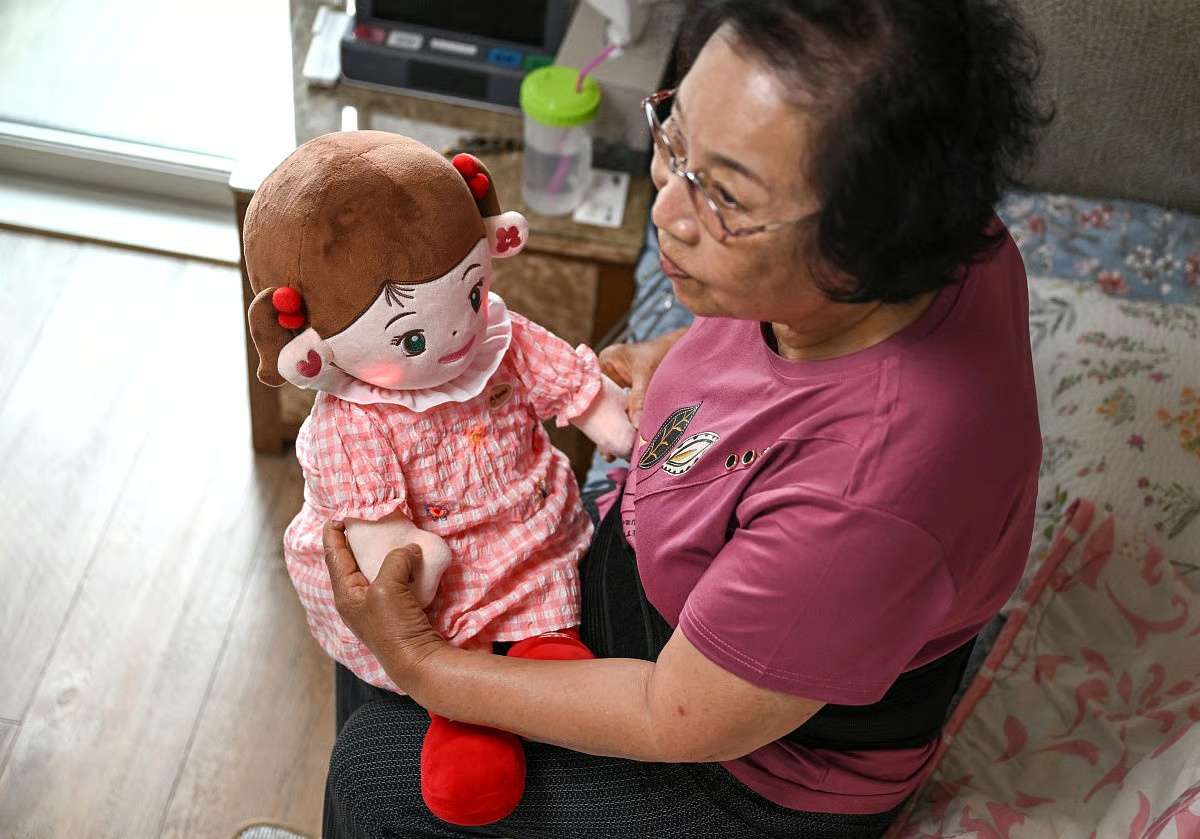
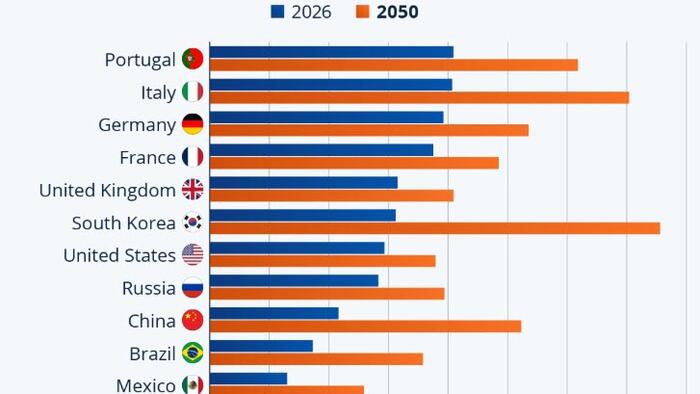
Work is underway on a system of caregiving that would enable elderly Koreans to spend their healthy years in their homes instead of in nursing homes and assisted living facilities. In 2026, South Korea is expected to become a “super-aged society,” in which the elderly (those aged 65 and above) make up one out of every five people in the total population. This will inevitably create a greater demand for elderly care. As of 2016, there are 498,000 elderly people at nursing homes and assisted living facilities.There are a number of serious social issues related to this. Nursing homes often provide an excuse for hiding old people out of sight; the cost of elderly care has been spiraling; and older people prefer to spend their twilight years in their homes, even if their mobility is impaired.South Korea’s Ministry of Health and Welfare (MOHW) responded by announcing on Nov. 20 that it will be laying the foundation for comprehensive community care to provide the elderly with residential, medical, nursing and care services in their homes and neighborhoods by 2025, shortly before Korea becomes a super-aged society. Starting next June, 12 local government bodies will be taking the first step by launching two-year trial programs.Community care refers to a social service policy of providing support so that the elderly and those with disabilities can enjoy services customized to their individual needs without leaving their homes and to be a part of their communities. Such services are provided by local governments in countries such as the UK and Japan.