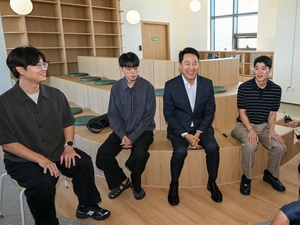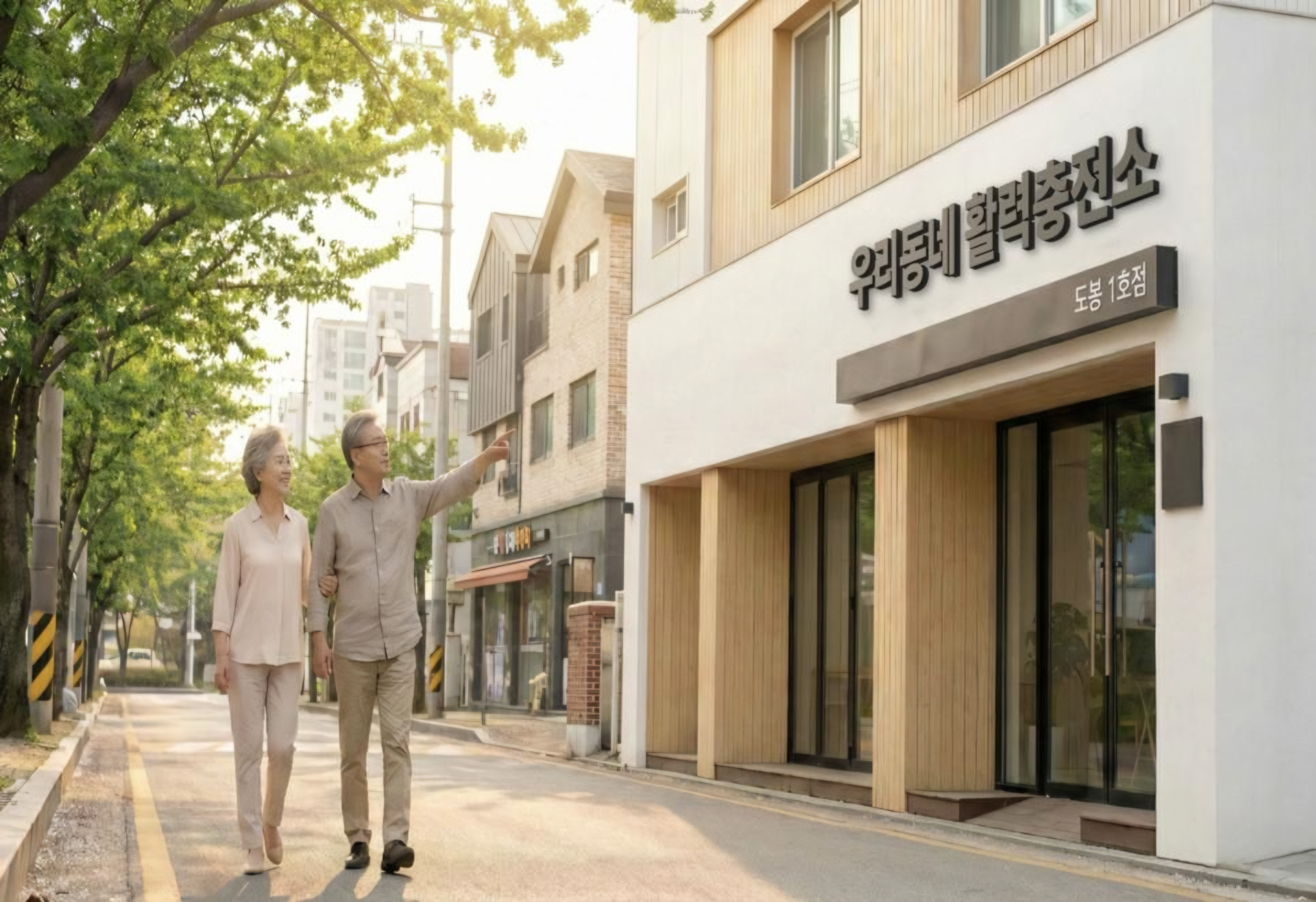
Seoul Active Senior Center in Dobong District, Seoul / Courtesy of Seoul Metropolitan Government
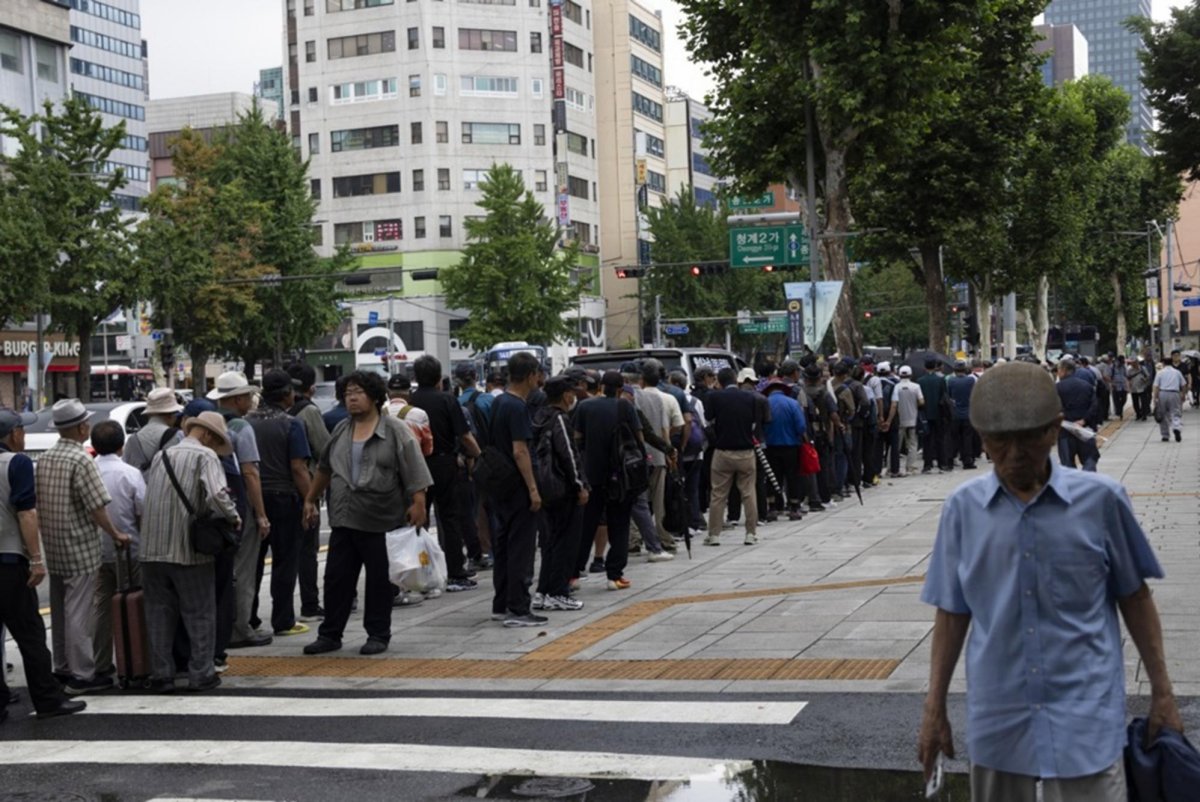
Seoul Mayor Oh Se-hoon announced Monday a comprehensive restructuring of the capital's senior welfare infrastructure, combining an aggressive rollout of neighborhood leisure centers with streamlined transit options designed to shield elderly residents from tech-driven isolation.
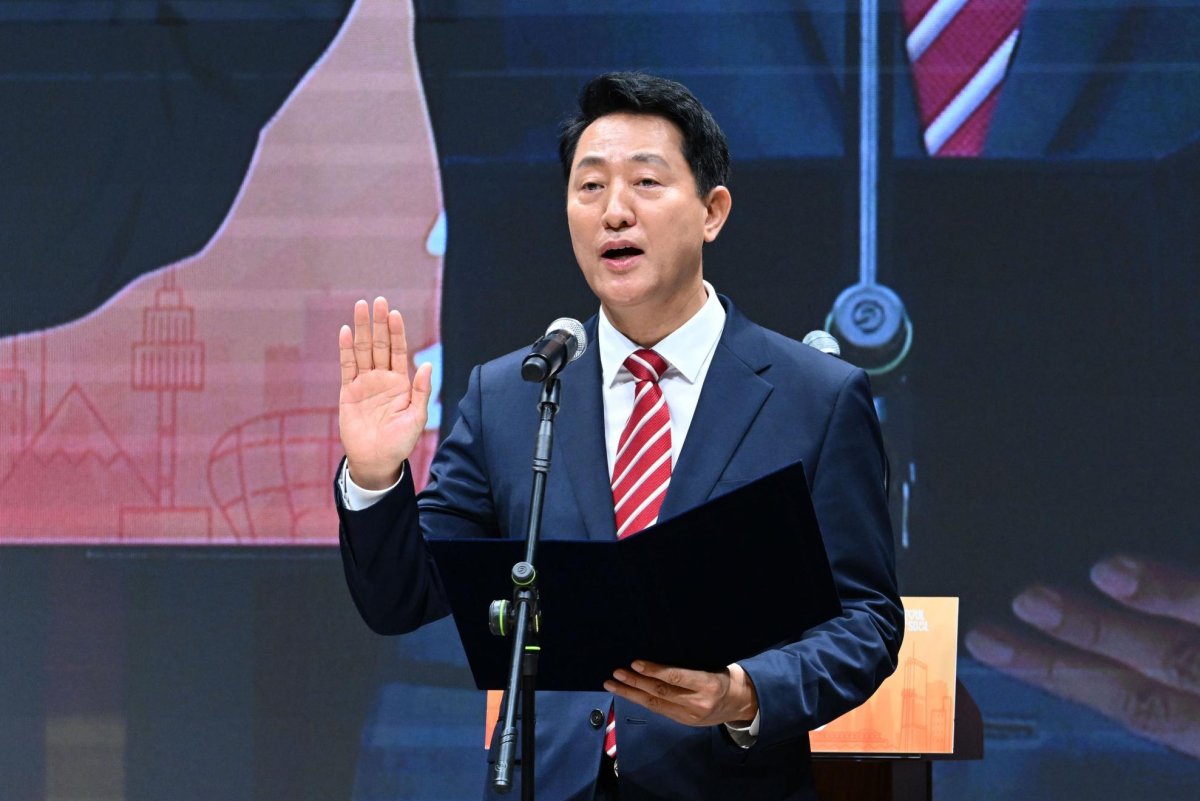
Speaking at the Seodaemun Senior Welfare Center, Oh detailed the city's newly minted "Senior Vitality Project." The initiative aims to counter the growing epidemic of loneliness among the elderly by modernizing municipal recreation. Under the plan, Seoul will build 120 neighborhood wellness stations by 2030, alongside two regional megacomplexes dedicated to continuing education, physical fitness and community organizing.
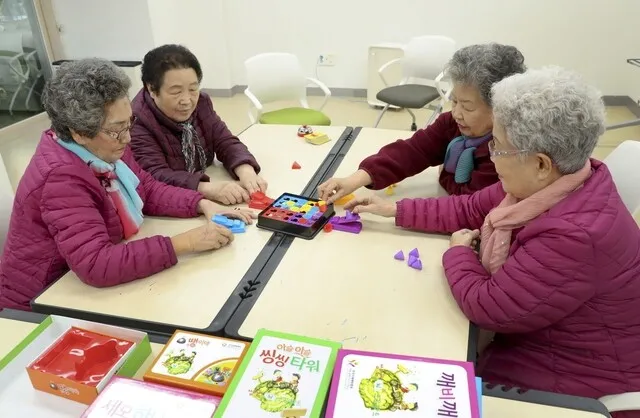
The physical expansion coincides with a behavioral health push. The city is developing a standardized social integration curriculum scheduled for deployment across all municipal senior centers later this year, specifically engineered to alleviate anxiety and clinical depression among vulnerable seniors who live alone.
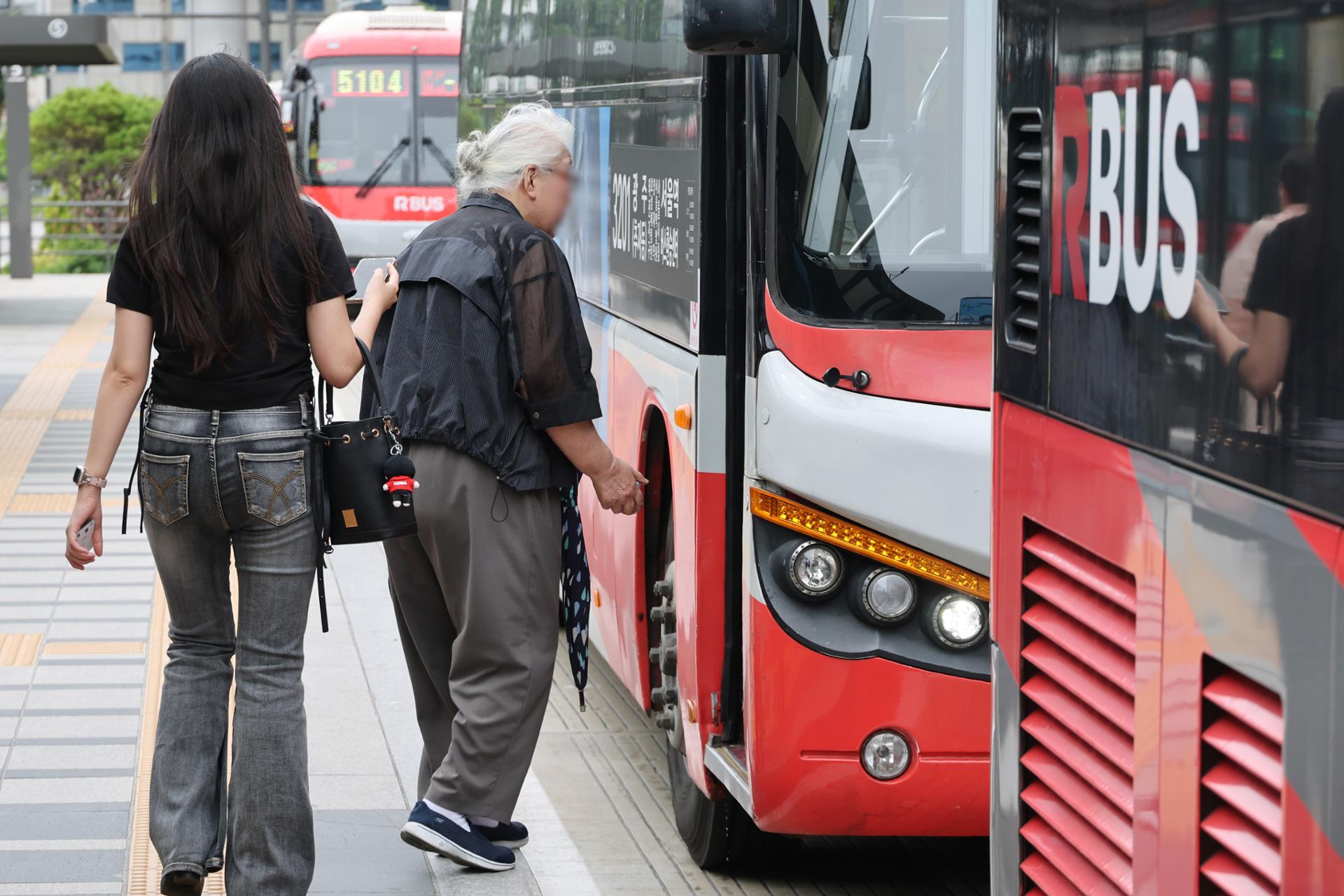
The mayor also unveiled structural upgrades to the city’s highly successful "Donghaeng Onda" taxi service, a subsidized mobility program aimed at bridging the digital divide for a demographic largely excluded from smartphone-based ride-hailing networks. While more than 60 percent of Seoul residents in their 20s and 40s rely on mobile applications to secure transit, city data shows that 80 percent of residents over 60 still flag down roaming taxis on foot — a practice that poses severe health risks during extreme summer heat waves and heavy monsoons.