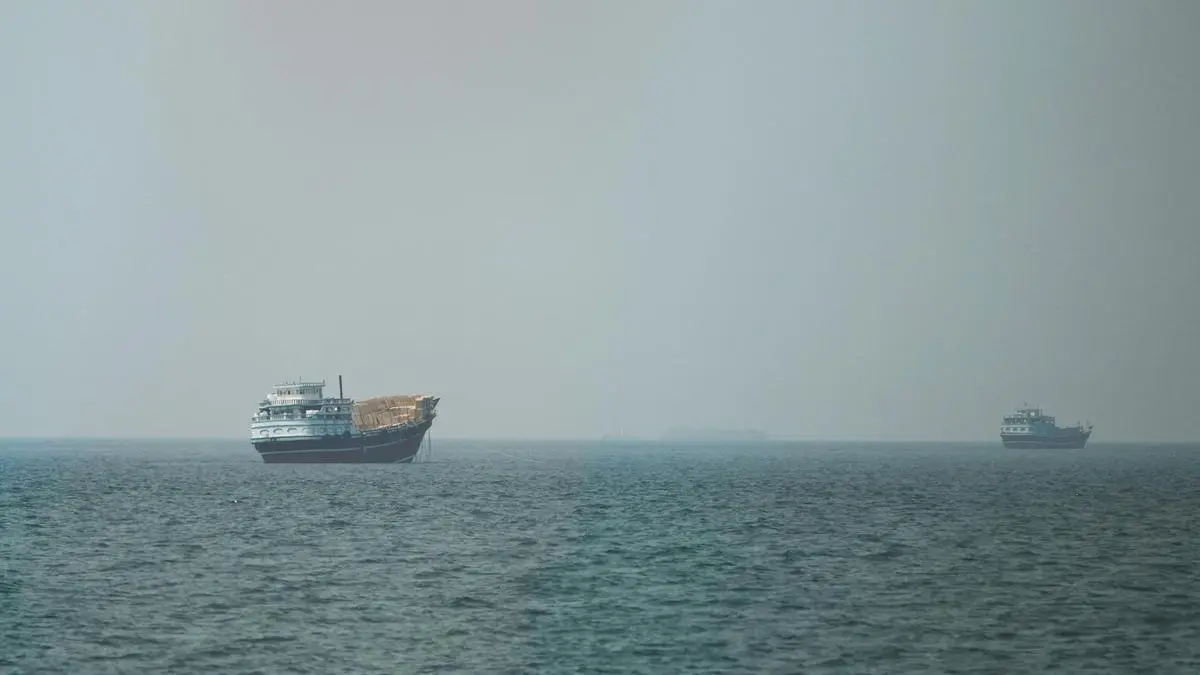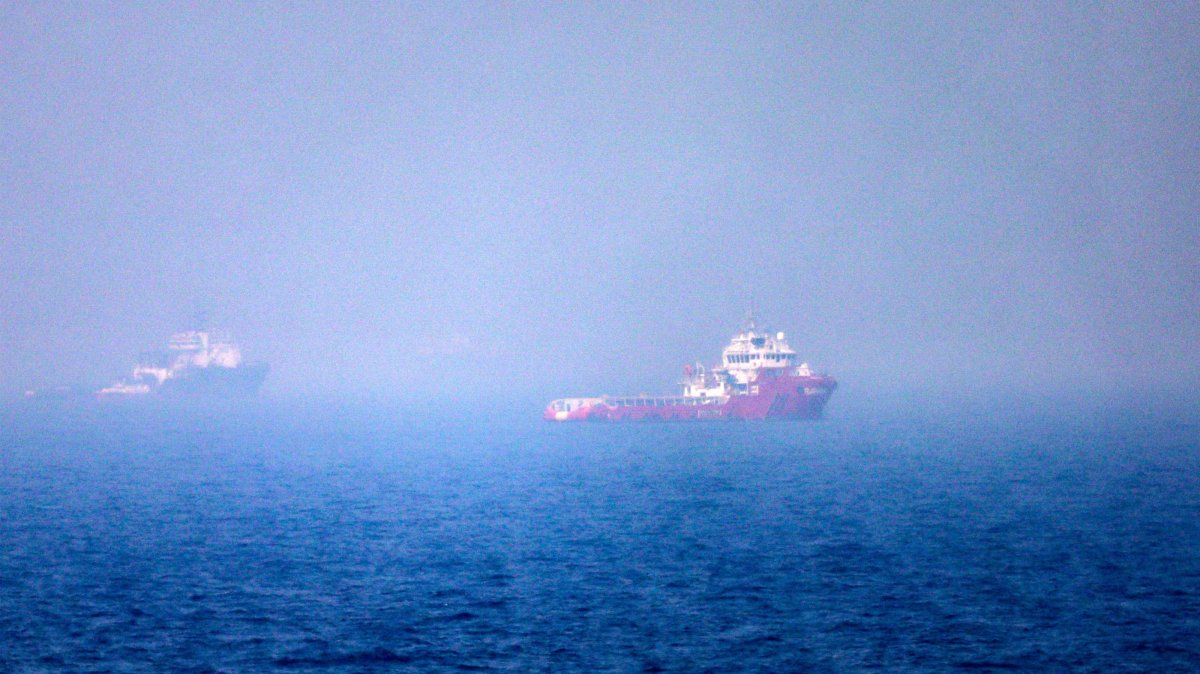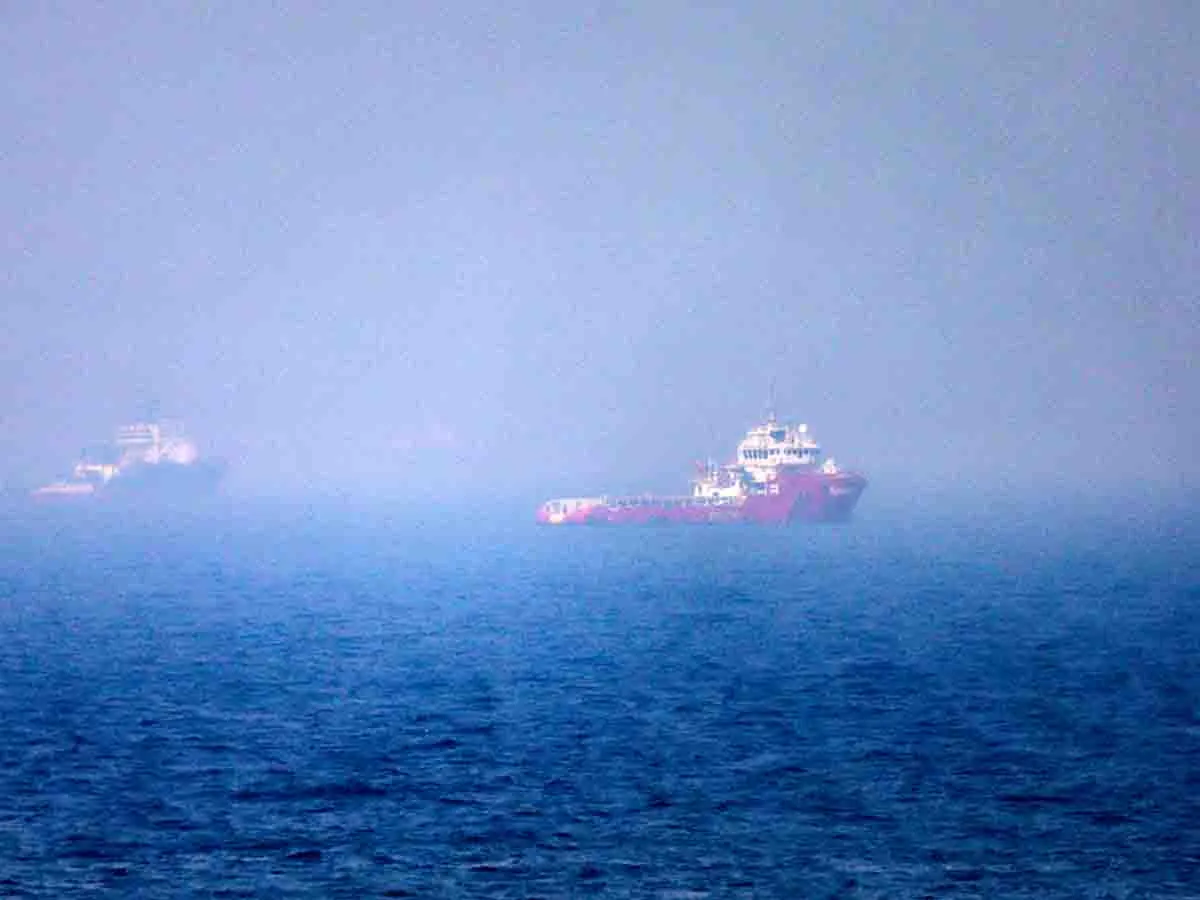
Skip to Content News Archives Economy Energy Oil & Gas Renewables Electric Vehicles Mining Commodities Agriculture Real Estate Mortgages Mortgage Rates Finance Banking Insurance Fintech Cryptocurrency Work Wealth Smart Money Wealth Management Investor Personal Finance Family Finance Retirement Taxes High Net Worth FP Comment Executive Women Puzzmo Newsletters Financial Times Business Essentials More Innovation Information Technology FP500 Podcasts Small Business Lives Told Tails Told Shopping Financial Post Store Obituaries Place a Notice Advertising Advertising With Us Advertising Solutions Postmedia Ad Manager Sponsorship Requests Classifieds Place a Classifieds ad Working Profile Settings My Subscriptions Saved Articles My Offers Newsletters Customer Service FAQ News Economy Energy Mining Real Estate Finance Work Wealth Investor FP Comment Executive Women Puzzmo Newsletters Financial Times Business Essentials HomeEnergyOil & GasNewsPMN BusinessU.S. hits Iran with strikes, blockade as Trump plans Hormuz chargePresident demands a 20% reimbursement for non-Iranian cargo shipped through the waterwayAuthor of the article:Last updated 35 minutes ago You can save this article by registering for free here. Or sign-in if you have an account.This picture shows ships sailing near the Strait of Hormuz off the eastern coast of the United Arab Emirates at Khor Fakkan on July 13, 2026. Donald Trump has declared the U.S. will become the "guardian" of the waterway. Photo by AFP via Getty ImagesPresident Donald Trump reinstated the U.S. blockade of Iranian ships transiting the Strait of Hormuz and demanded a 20 per cent reimbursement for all other cargo shipped through the waterway.Subscribe now to read the latest news in your city and across Canada.Exclusive articles from Barbara Shecter, Joe O'Connor, Gabriel Friedman, and others.Daily content from Financial Times, the world's leading global business publication.Unlimited online access to read articles from Financial Post, National Post and 15 news sites across Canada with one account.National Post ePaper, an electronic replica of the print edition to view on any device, share and comment on.Daily puzzles, including the New York Times Crossword.Subscribe now to read the latest news in your city and across Canada.Exclusive articles from Barbara Shecter, Joe O'Connor, Gabriel Friedman and others.Daily content from Financial Times, the world's leading global business publication.Unlimited online access to read articles from Financial Post, National Post and 15 news sites across Canada with one account.National Post ePaper, an electronic replica of the print edition to view on any device, share and comment on.Daily puzzles, including the New York Times Crossword.Create an account or sign in to continue with your reading experience.Access articles from across Canada with one account.Share your thoughts and join the conversation in the comments.Enjoy additional articles per month.Get email updates from your favourite authors.Create an account or sign in to continue with your reading experience.Access articles from across Canada with one accountShare your thoughts and join the conversation in the commentsEnjoy additional articles per monthGet email updates from your favourite authorsSign In or Create an AccountorTrump’s announcement Monday, in which he asserted the United States would become the waterway’s “GUARDIAN,” intensifies an ongoing spat between Washington and Tehran over the status of the shipping passage at the centre of the two nations’ revived conflict.U.S. military forces will resume blockading traffic to and from Iranian ports and coastal areas beginning Tuesday at 4 p.m. New York time, Central Command said in a statement. It said later on X that it had completed the latest in a series of strikes over the past week after a five-hour mission aimed at degrading “Iran’s ability to attack commercial shipping.”Breaking business news, incisive views, must-reads and market signals. Weekdays by 9 a.m.By signing up you consent to receive the above newsletter from Postmedia Network Inc.A welcome email is on its way. If you don't see it, please check your junk folder.The next issue of Posthaste will soon be in your inbox.We encountered an issue signing you up. Please try againTrump had vowed the U.S. would keep up attacks on Iran, telling reporters the strikes targeted the country’s capabilities “for anything having to do with the strait.”Brent crude rose above US$85 a barrel for the first time in a month after Trump’s latest moves. It was its biggest gain since May 2020.The president posted earlier on social media that the strait “will remain OPEN, with or without Iran.” While Iran’s ships would be blocked from entering or leaving, other nations’ vessels could cross. But the U.S. “as a matter of FAIRNESS, will be reimbursed, at the rate of 20 per cent on all cargo shipped,” the president wrote.The White House did not provide other details on Trump’s fee proposal, including how it would be administered or whether it had been communicated to U.S. allies in the Gulf.The dangers in the strait were underscored on Monday night when the United Arab Emirates’ Defence Ministry said in a post on X that two tankers, the Mombasa and Al Bahiyah, had been hit by Iranian cruise missiles. An Indian national was killed and eight others were wounded, according to the post.Iran’s Islamic Revolutionary Guard Corps Navy struck several U.S. weapons depots, a satellite communications centre and housing for American personnel at Bahrain’s Juffair base, according to a post on X from Press TV on Tuesday.More than 10 people involved in shipping markets, including a handful whose ships have passed through Hormuz in recent weeks, said they were blindsided by the announcement of a potential fee on cargoes crossing the waterway. They said it was too early to know what the plan might look like in practice and how it would shape their decisions about transit.Iran sees any challenge to its authority in the strait as a breach of the interim peace agreement reached with the U.S. in June, which called for toll-free commercial shipping during a 60-day negotiating window while requiring Tehran to ensure safe passage.It continues to insist ships obtain permission and follow approved routes, and the renewed blockade may prompt further attacks on commercial vessels. Ship transits through the strait fell to their lowest level in a month on Sunday, according to Bloomberg ship-tracking data.Earlier Monday, Iran’s government said the deal with the U.S. has “undoubtedly entered a crisis phase” and that it won’t abide by its terms as long as the other party violates commitments. Iranian Foreign Minister Abbas Araghchi mocked Trump’s toll proposal.“Iran has always been the GUARDIAN of the Strait and will remain so FOREVER,” he posted on X. “20% is of course too much. We will be fair.”Trump’s latest declaration underscores his precarious position just over three weeks after signing a memorandum of understanding that secured a ceasefire and briefly eased shipping through the strait, helping lower oil prices and raising hopes of cheaper gasoline ahead of November’s U.S. midterm elections. With fighting resuming and Iran reasserting its claim over the waterway, Trump is looking to reassert U.S. leverage.“At least rhetorically, Trump appears to be trying to play the Iranians at their own game,” said Holly Dagres, a senior fellow at the Washington Institute for Near East Policy. “Rest assured, the Iranians won’t be giving up the strait that easily.”A 20 per cent fee would add about US$32 million to the cost of a fully loaded very large crude carrier at current oil prices, far exceeding the roughly US$2 million Iran has charged, according to people familiar with the matter. Before the war, the Strait of Hormuz carried about a fifth of the world’s oil flows, and Iran’s efforts to close it pushed up energy prices and created political blowback for Trump, who touted the interim peace pact as a way to lower gasoline prices and support the economy.Countries and industries reliant on Hormuz have insisted it remain free to use, without tolls or maritime charges. U.S. officials, including Secretary of State Marco Rubio and Trump, previously said the strait should remain open for all.Trump signalled a change of heart Monday, telling Fox News the U.S. should be compensated for keeping traffic moving because other countries “made all the money.” Trump has repeatedly shifted his position, previously suggesting both the U.S. and Iran could receive compensation from shippers.Trump’s proposal would be difficult to implement, risking blowback from U.S. industries and allies while potentially conflicting with international law if applied broadly beyond escorted vessels.Under international law, ships generally are guaranteed a right of transit passage through waterbodies used for international navigation, and coastal states aren’t allowed to charge vessels for the opportunity. There can, however, be charges for some “specific services” rendered to individual ships.The International Maritime Organization reiterated that it “stands firmly against charging fees for passage through straits used for international navigation.”In recent weeks, U.S. forces have escorted tankers and commercial ships along a southern route further from Iran’s shores. Analysts have said maintaining lasting control of the strait would require a much larger military operation, potentially involving ground troops, which Trump has been unwilling to undertake.—With assistance from Sherif Tarek, John Harney, Anand Krishnamoorthy, Zoe Ma, Jon Herskovitz, Philip Glamann, Devika Krishna Kumar, Sonya Dymova, Alex Longley, Prejula Prem and Hadriana Lowenkron. Join the Conversation This website uses cookies to personalize your content (including ads), and allows us to analyze our traffic. Read more about cookies here. By continuing to use our site, you agree to our Terms of Use and Privacy Policy.
U.S. hits Iran with strikes, blockade as Trump plans Hormuz charge
Trump reinstated a U.S. blockade of the Strait of Hormuz and demanded a 20% fee for all non-Iranian cargo shipped via the waterway. Read on.
1,530 words~7 min read