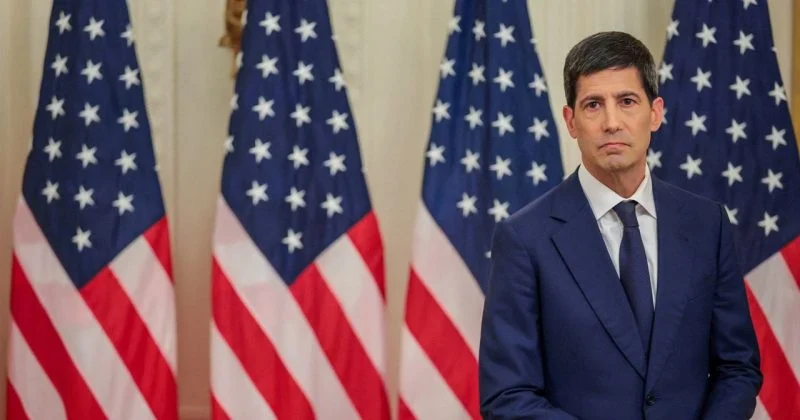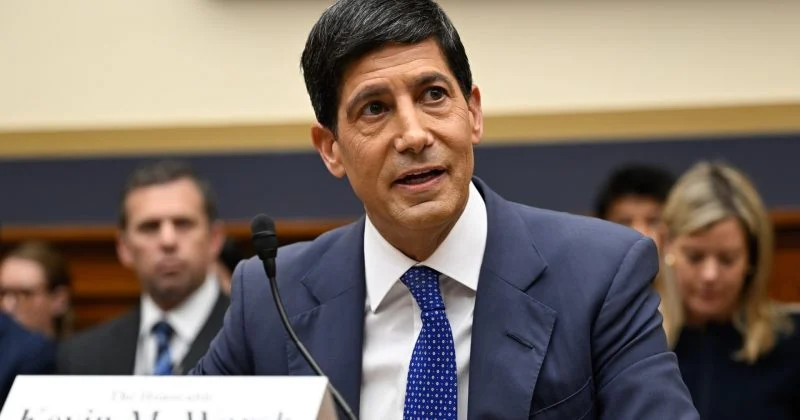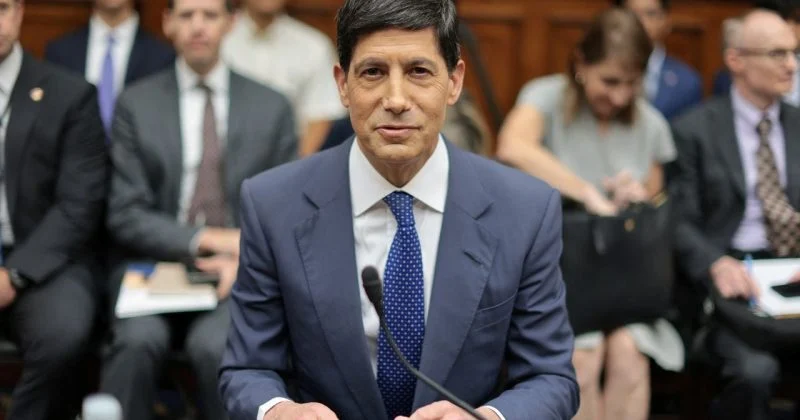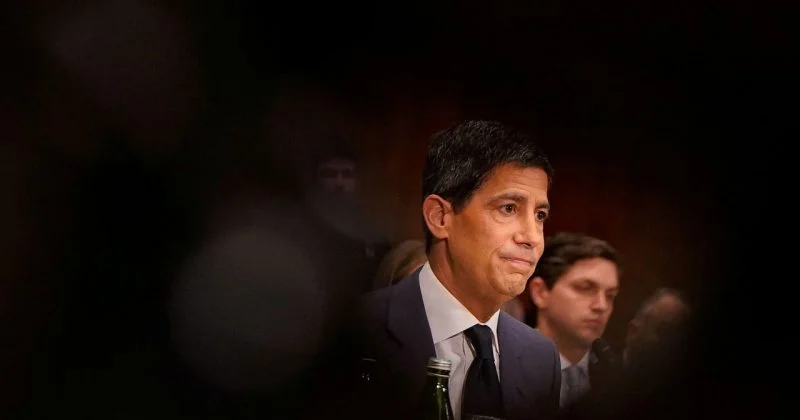
Kevin Warsh, the newly installed Federal Reserve Chair, is drawing a direct line between inflation and the central bank’s own decisions. His core message: long-term inflation isn’t some mysterious force driven by supply chains or geopolitics. It’s a monetary policy problem, full stop.
A new sheriff with an old playbook
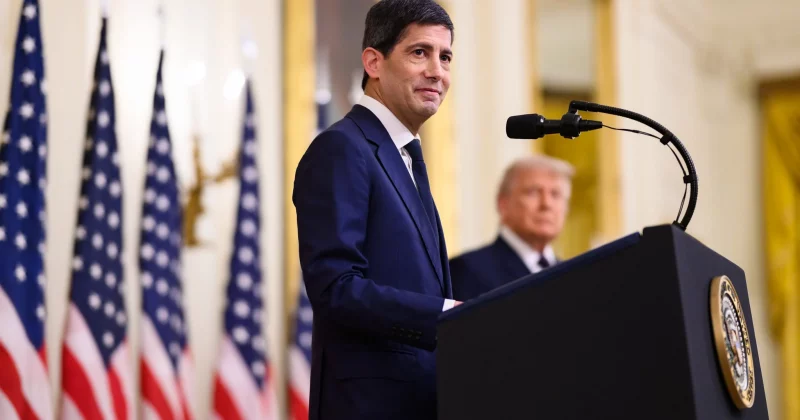
Warsh was confirmed by the Senate on May 13, 2026, in a 55-45 vote, and sworn in on May 22. He replaced Jerome Powell, whose tenure was defined by pandemic-era stimulus, aggressive rate hikes, and a complicated relationship with the phrase “transitory inflation.”
This isn’t Warsh’s first tour of duty at the Fed. He served as a Governor from 2006 to 2011, a stretch that included the global financial crisis. During that period, he advocated for closer attention to monetary aggregates, essentially the total amount of money circulating in the economy, rather than relying solely on traditional models that emphasize employment and output gaps.
Rates, inflation, and the numbers that matter