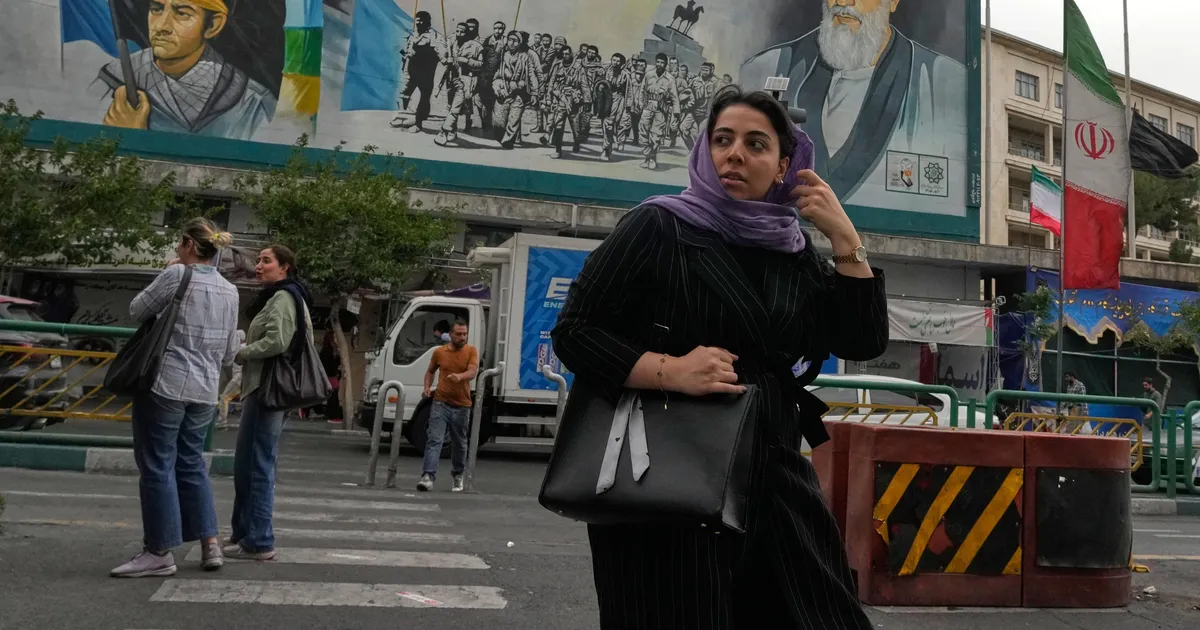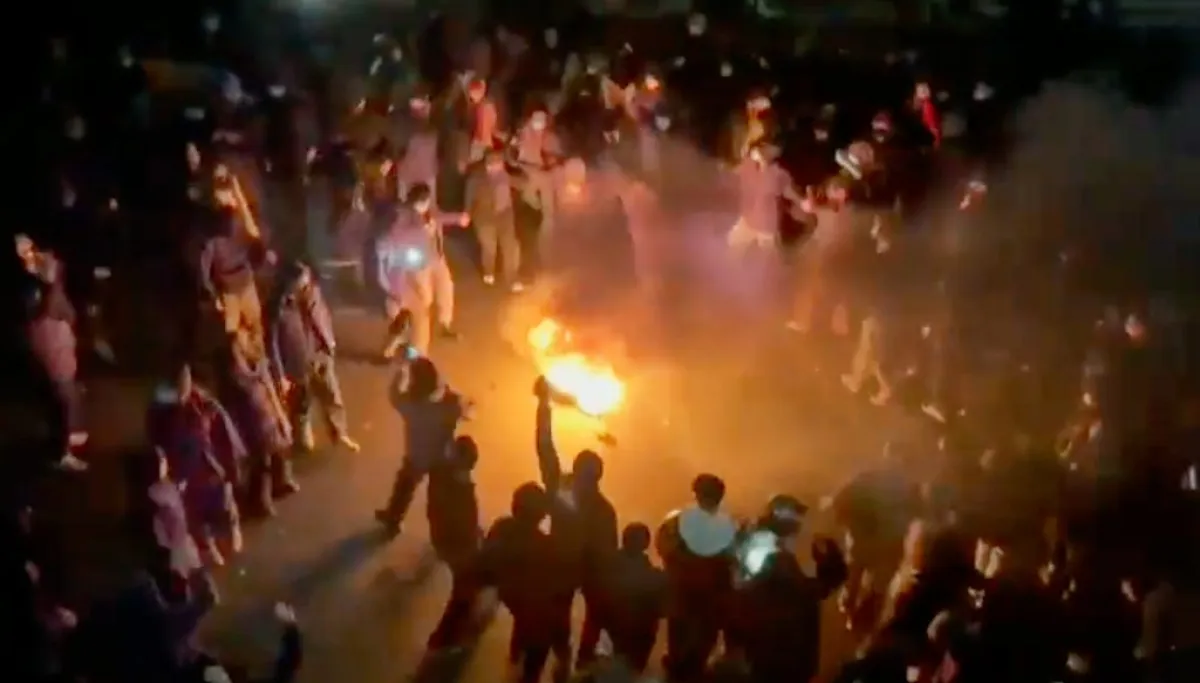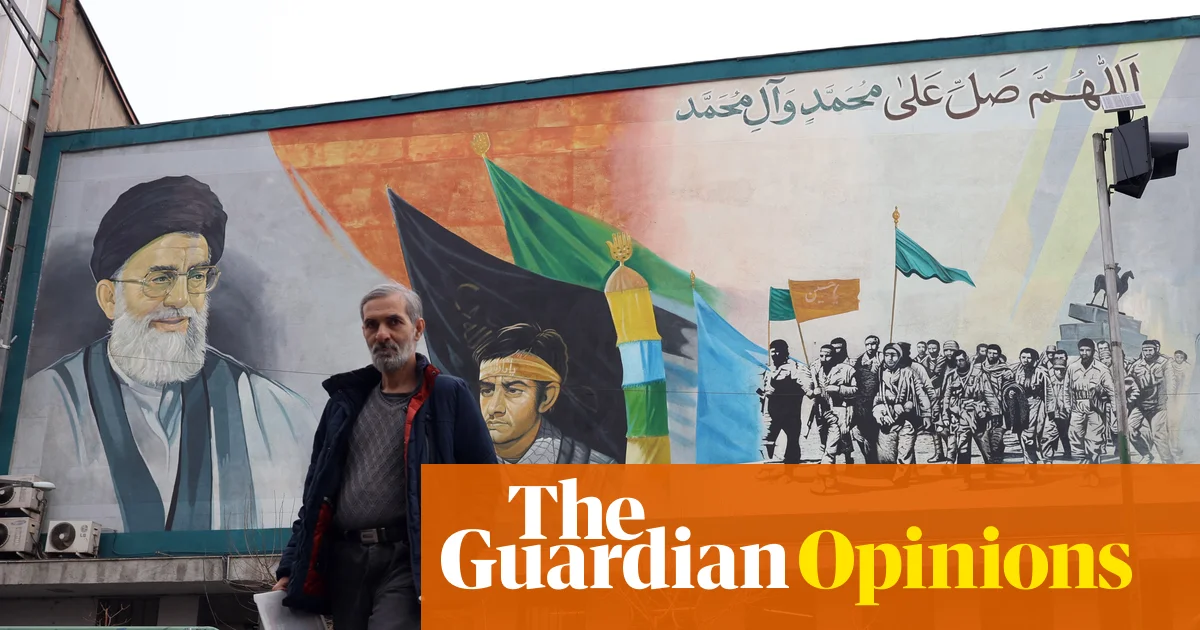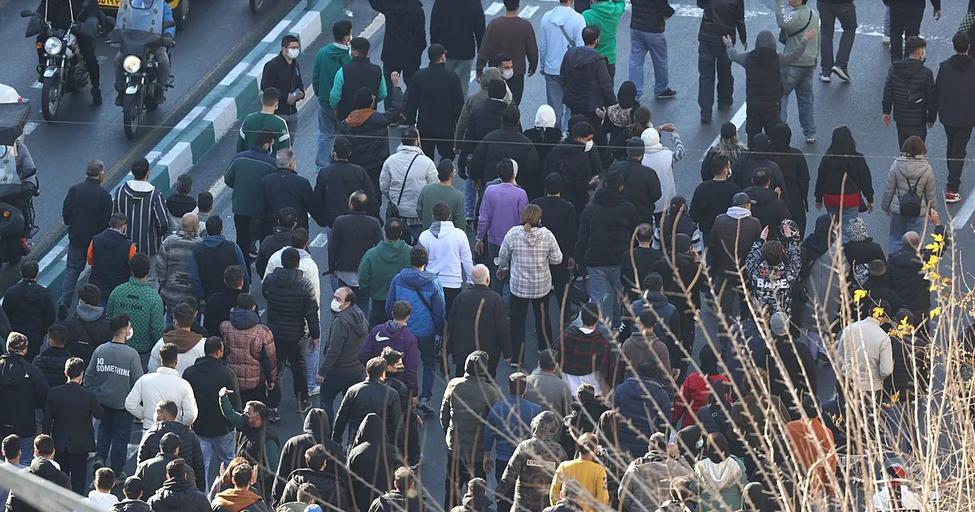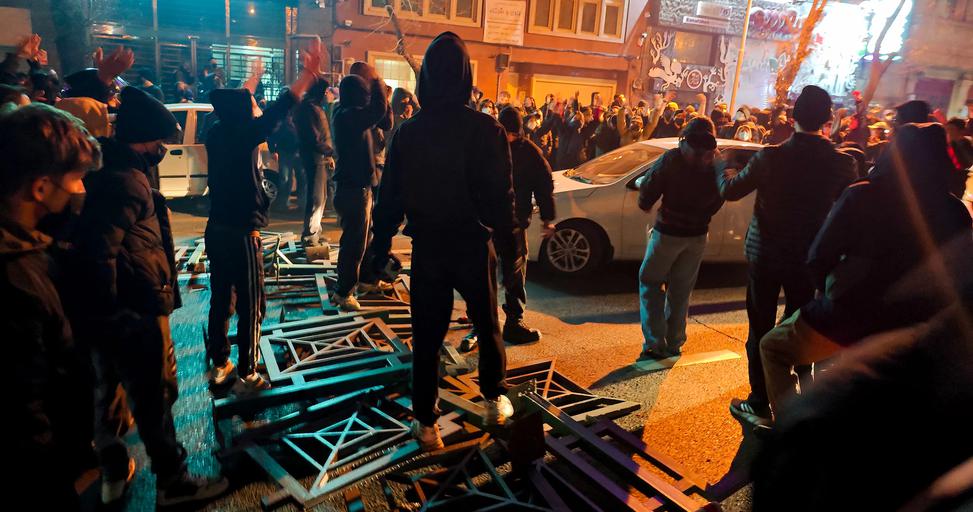
IranWire has recently obtained and published a classified report titled “What Iranians Want,” which presents a harrowing picture of the psychological and economic state of the Iranian people - a reality in which “anger” and “hopelessness” have surged significantly, particularly following the January killings. Beyond highlighting various social crises, the figures reveal that 81 per cent of Iranians struggle to meet their basic food needs and that the incomes of more than half of the country’s families (54%) do not even cover their current living expenses. Consequently, life satisfaction in Iran has plummeted to 5.5 out of 10.
However, this report, compiled by Ali Rabiei, the Presidential Assistant for Social Affairs, and distributed to government officials, couples its findings with political recommendations that downplay the people’s suffering. In these proposals, he speaks of the need to “regulate public podiums” and strengthen media strategies without offering any concrete, structural recommendations to the ruling establishment.
While the report illustrates a crisis of public trust through shocking figures, including 75 per cent interpersonal distrust among citizens and 60 per cent distrust of various government institutions, its policy suggestions are limited to “reforming media content” or “revising the educational framework.” This approach aligns perfectly with recent rhetoric from various Islamic Republic officials claiming that “the enemy has targeted the hearts and minds of the people through cognitive warfare.” While such objective, data-driven sociological studies are expected to yield effective and structural policy recommendations to address these multilayered social crises, this report concentrates its remedies almost entirely on soft power. It operates under the illusion that altering the phrasing of words can somehow fill empty dinner tables and mend the deep chasms between the nation and the state.