IranWire recently published a confidential report authored by Ali Rabiei, a veteran political-security figure and the social advisor to the presidency. The document offers ruling institutions a more unvarnished, realistic portrait of Iranian society. Although it remains unclear who was surveyed or how diverse the respondent pool was, as the data reached IranWire stripped of its research methodology and statistical parameters, the polling was conducted in May 2026, and Rabiei’s analytical breakdown was circulated among state bodies by June. This data now serves as the baseline for policy and decision-making across political, security, and economic apparatuses.
We shared the report in its entirety with Saeed Paivandi, a sociologist and professor at the University of Lorraine in France. This article details his analysis and critique. Paivandi notes that while the report suffers from significant methodological gaps regarding validation, it can be considered generally accurate within a minor margin of error.
A Society Undergoing Radical Identity Shifts
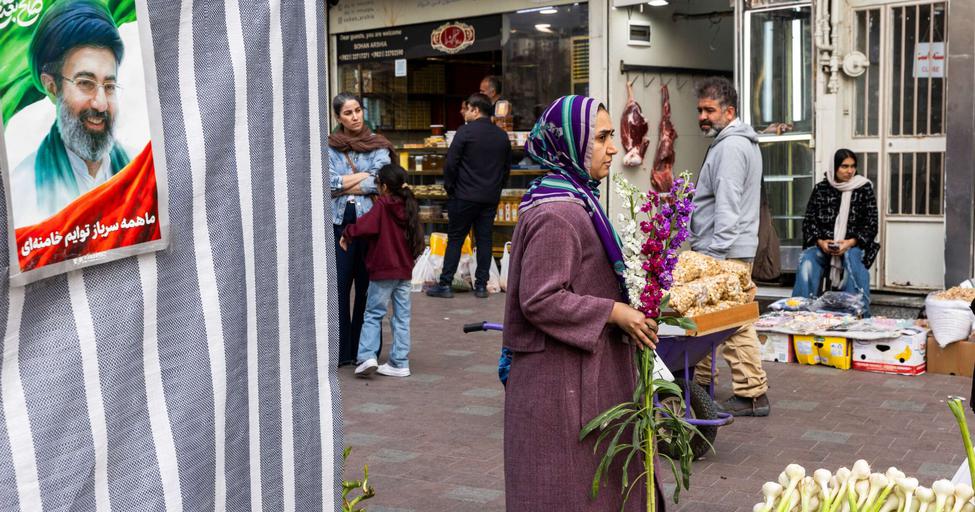
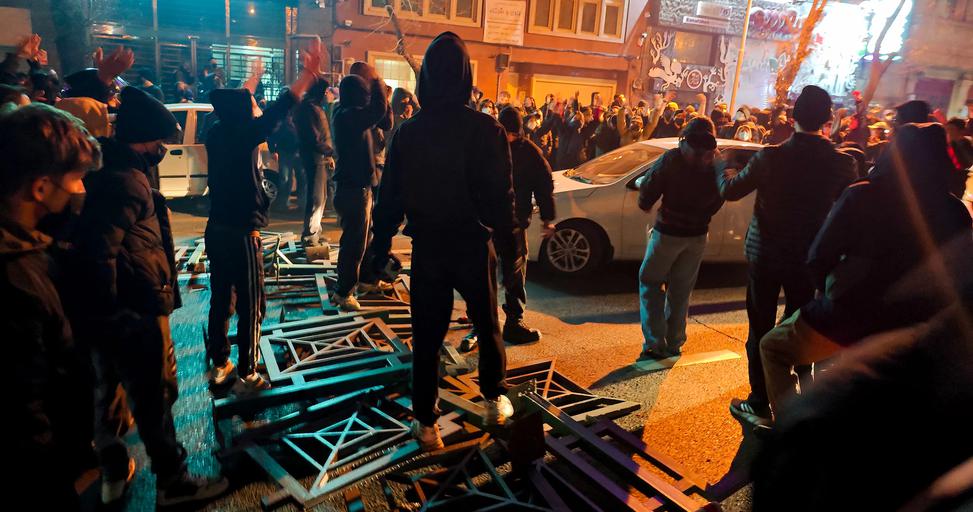
Based on data compiled by the "Ara" polling center, the image that emerges of Iranian society is that it wants neither war nor the current regime. It depicts a population where over 80% struggle to secure basic food items and more than 75% face severe difficulties obtaining necessary medical supplies. The majority are angry, hopeless, and anxious.