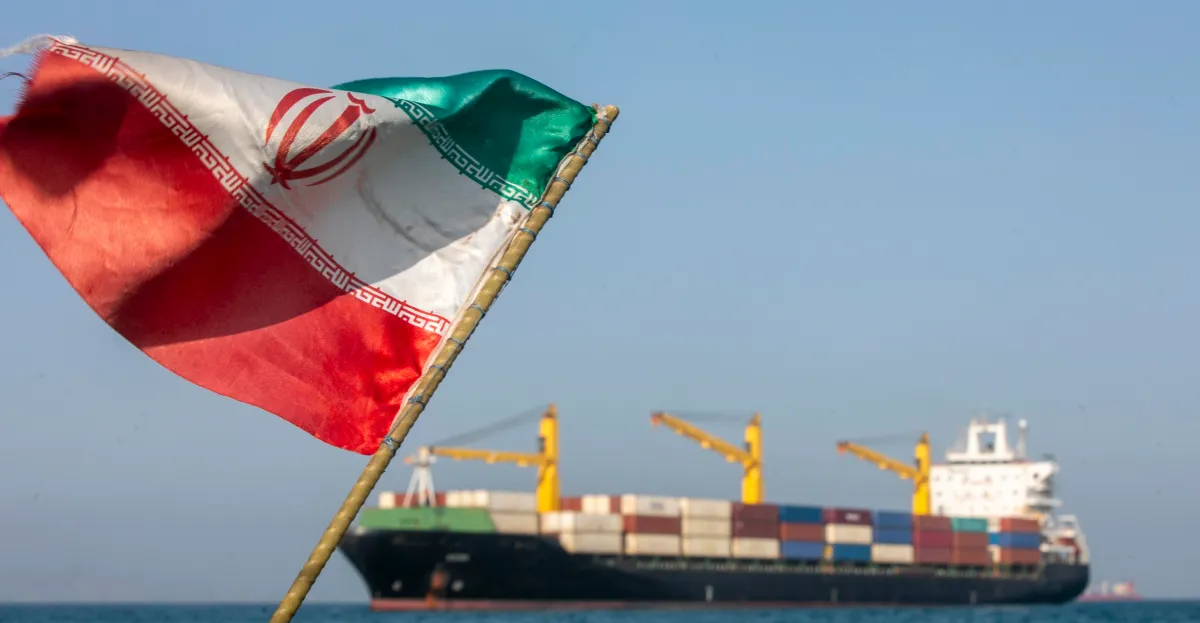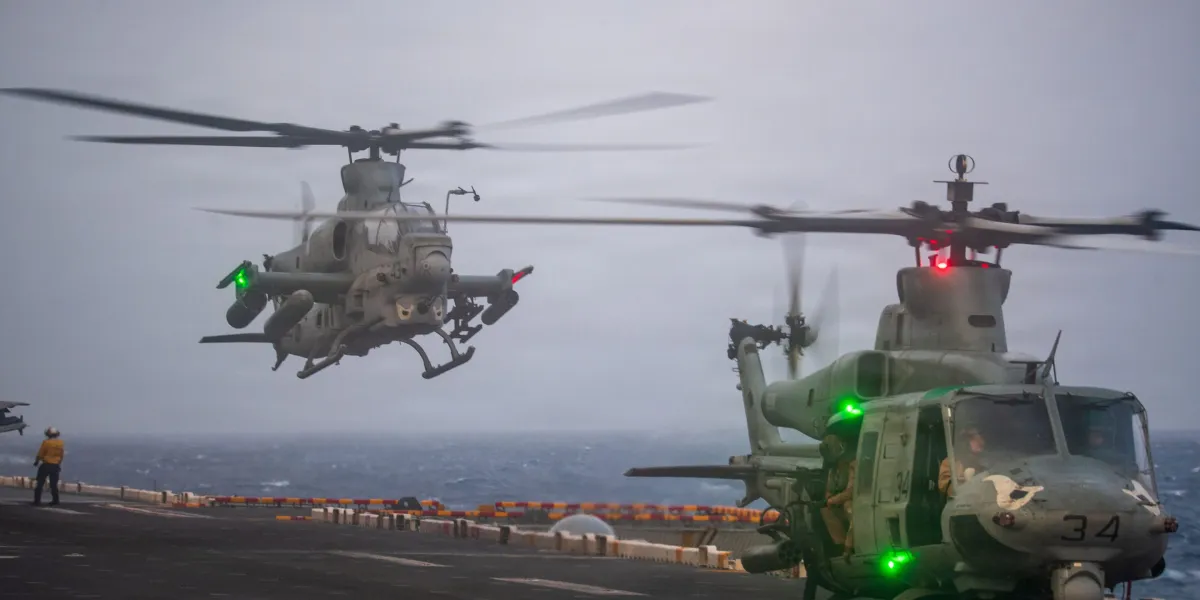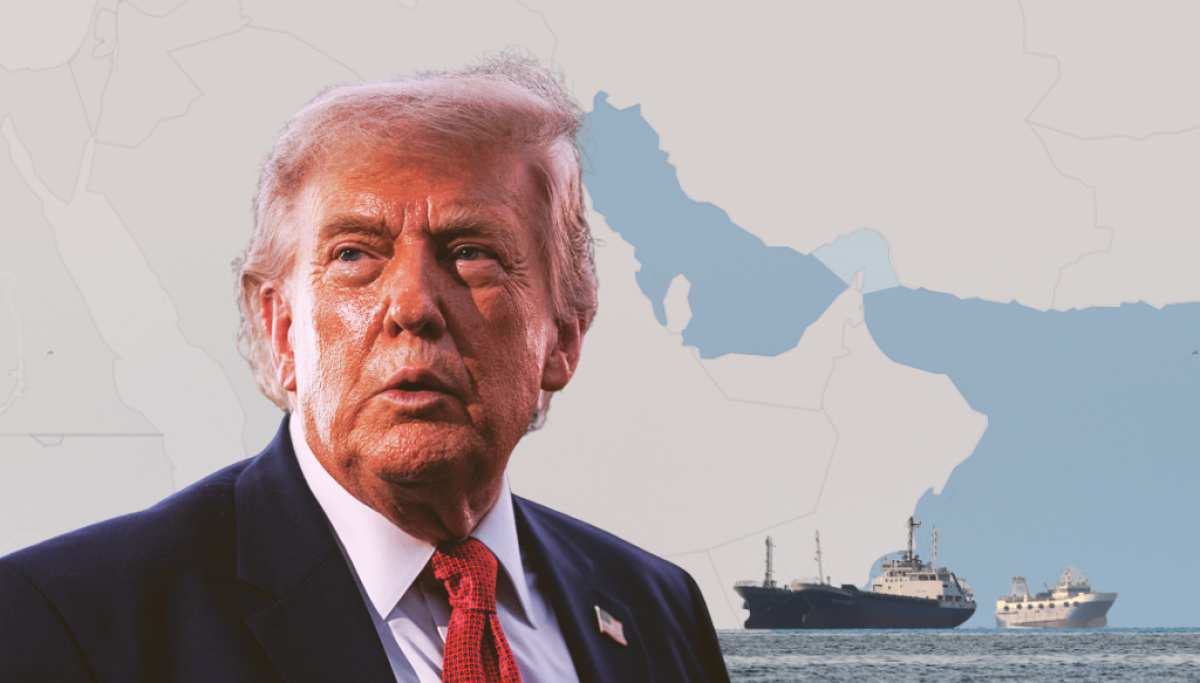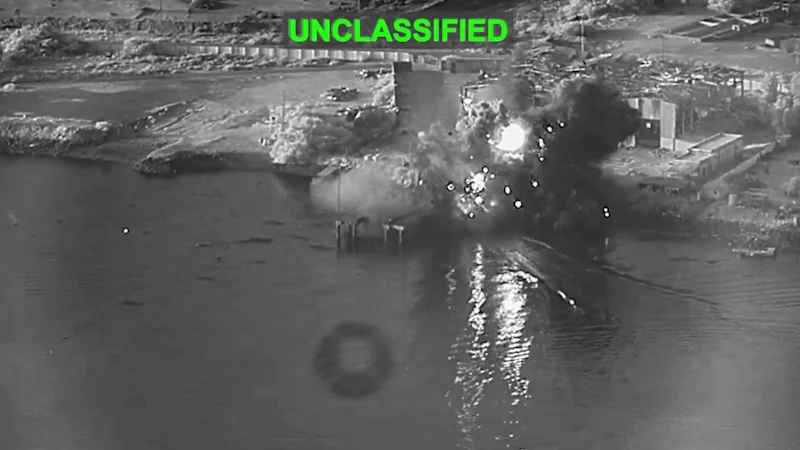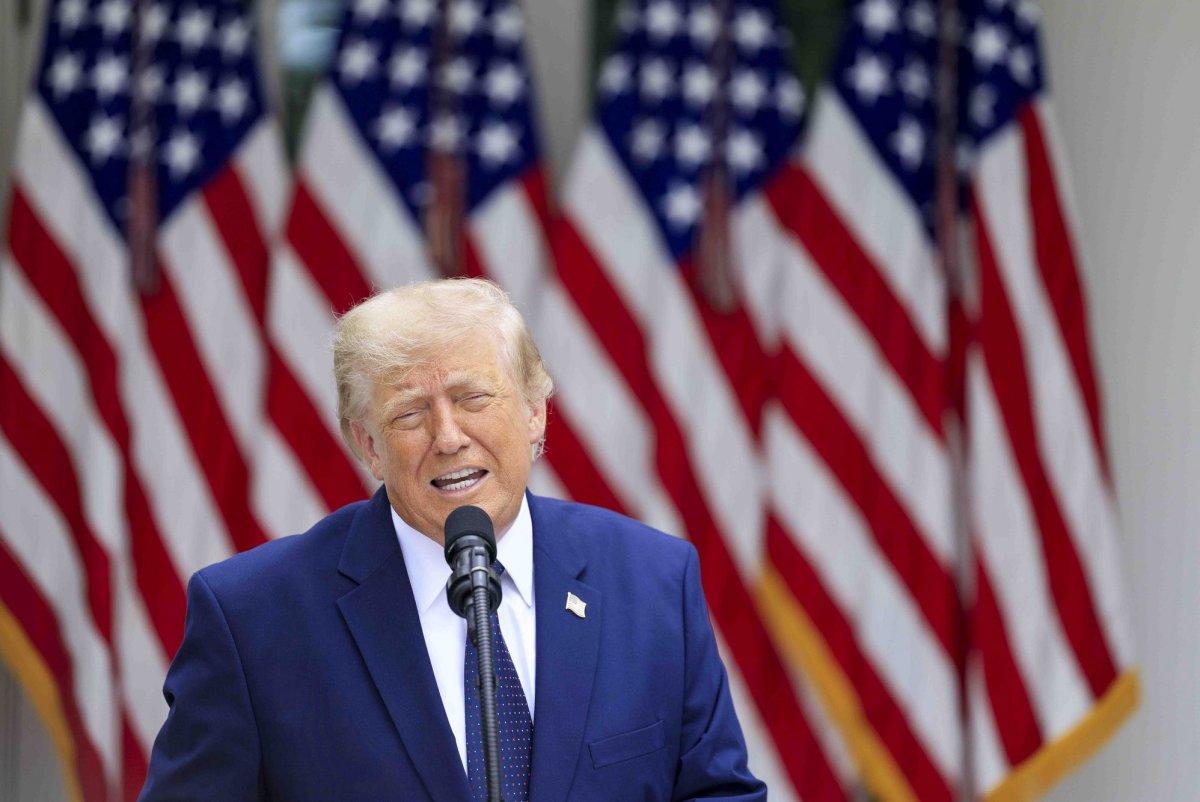
TRUMP: ‘WE GAVE THEM A CHANCE’: On social media, at the White House, and in a series of interviews, an angry and frustrated President Donald Trump announced the war with Iran was back on, with the goal of taking full control of the Strait of Hormuz and charging a “reimbursement fee” on cargo that passes through the strait in return for “providing safety and security.”“We are reinstating THE IRANIAN BLOCKADE,” Trump posted on Truth Social Monday morning, and declared “The U.S.A. will be, from this point forward, known as “THE GUARDIAN OF THE HORMUZ STRAIT.” Trump said his patience with Iran was exhausted after what he claimed was an 11-hour negotiating session, which for the umpteenth time, he thought was ending with a deal.
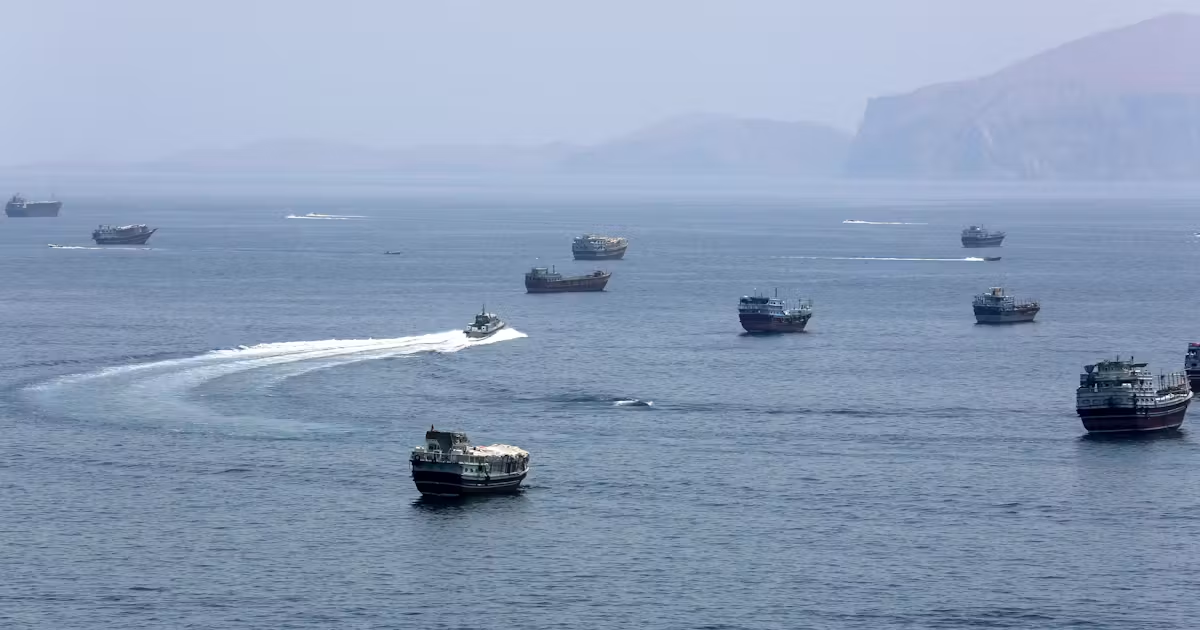
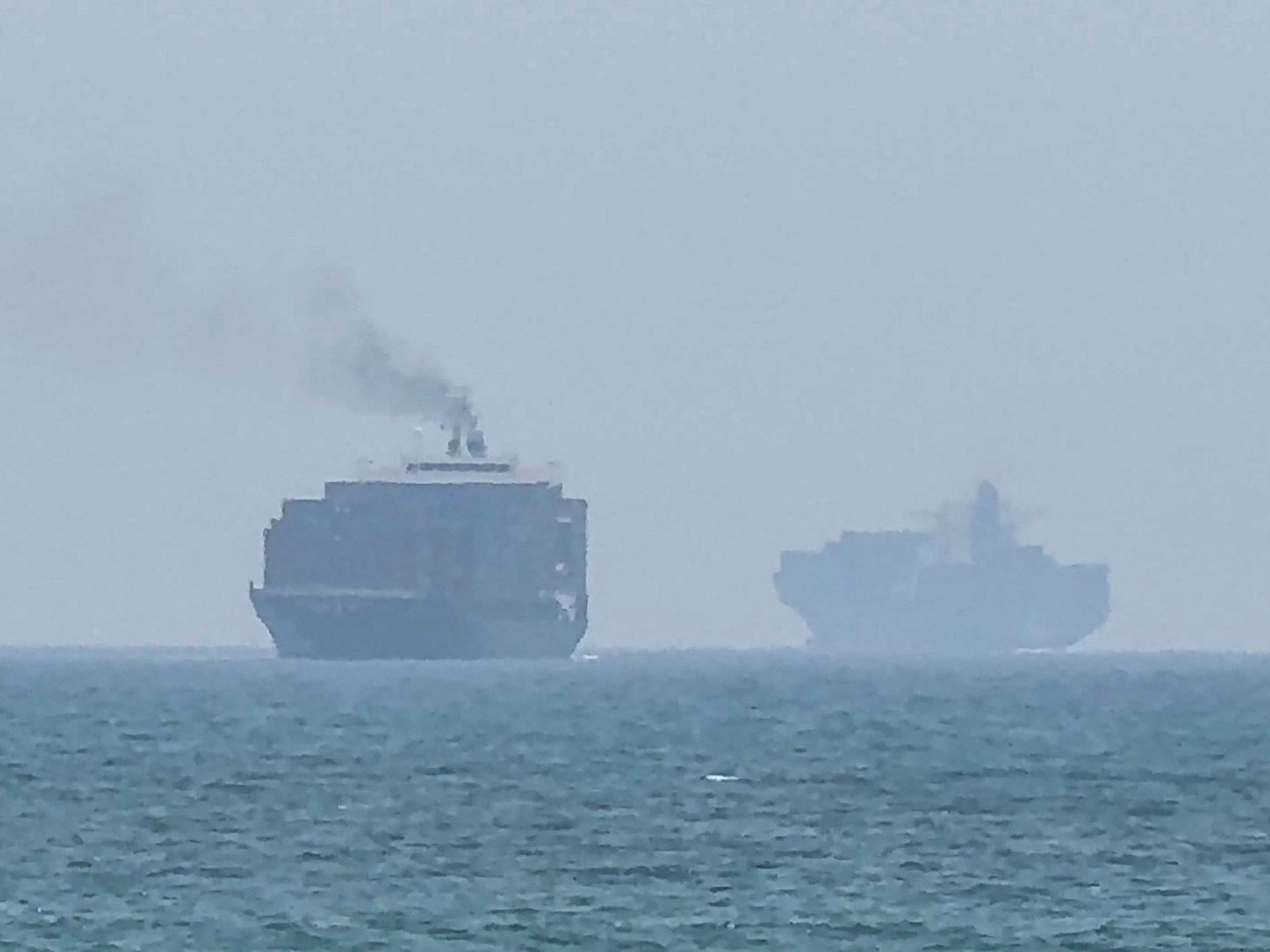
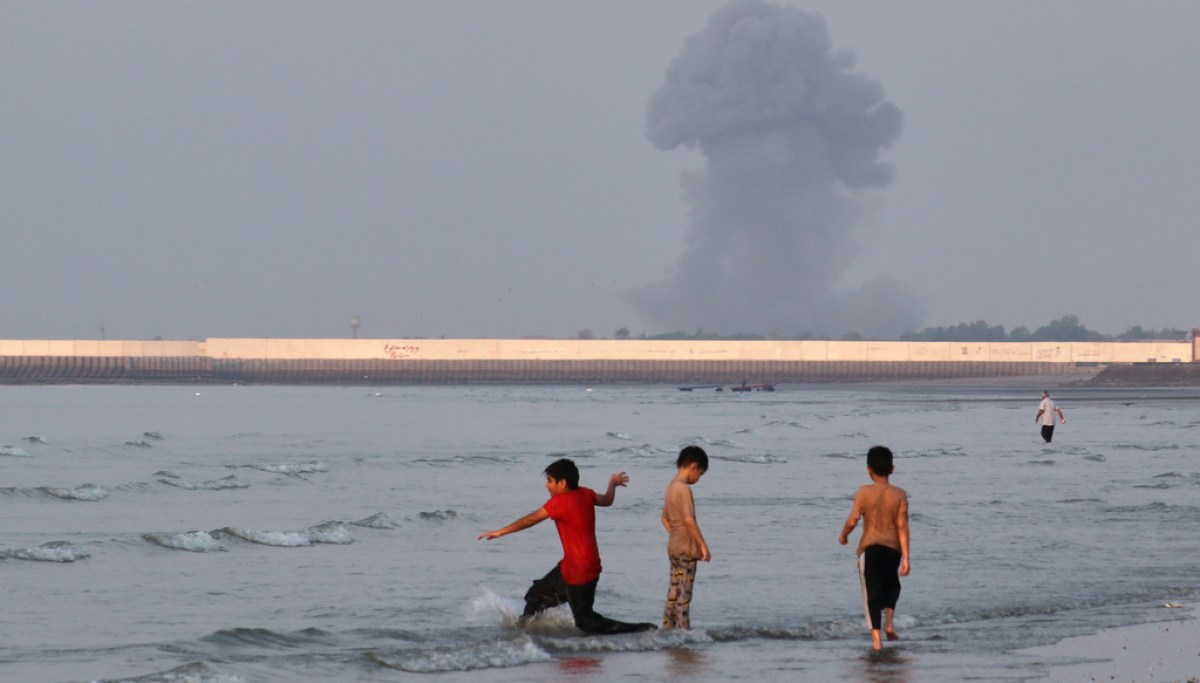
“Everything’s 11 hours with these guys. You know, you can’t settle one sentence in one hour, in one minute. It should be one minute,” Trump said on Fox & Friends. “Everything was agreed to yesterday. And they leave the room and they call back and they say, ‘We had to make a couple of changes.’ I said, changes? They got to make changes? We’re not going to make changes.”He later told Hugh Hewitt on his radio show: “We gave them a chance … I was at least reasonable.” “But I got to know them, and they’re stone cold crazy people.”The U.S. Central Command says it bombed Iran for five hours last night, hitting targets across Iran including Bushehr, Chabahar, Jask, Konarak, Abu Musa, and Bandar Abbas, with a focus on “coastal defense systems, missile and drone sites, and maritime capabilities.”ONE DEAD AFTER IRAN ATTACKS TWO TANKERS IN STRAIT OF HORMUZ, UAE SAYSWHO’S GONNA PAY? Trump is apparently ready to abandon the principle of “freedom of navigation” through what had been an international waterway before the war, with no tolls. While in his Truth Social post he alluded to a “reimbursement” on all cargo “at the rate of 20%,” when questioned during a White House event, he indicated he would be expecting Gulf allies to ante up.“I want to be reimbursed because we’re protecting a very rich portion of the world we’re spending money,” Trump told reporters. “You look at the five countries you have: Saudi Arabia, you have UAE … you have Qatar, Bahrain, and by the way, you have others. You have Kuwait and you have others, and they will do very well.”Trump said on Fox & Friends: “We’re going to keep the strait and we’ll probably run it. We’ll become the guardian of the strait. Maybe we’ll call it the guardian angel of the strait. And we should be reimbursed for that.” Former national security official Brett McGurk said on CNN last night: “I think that statement is actually quite unfortunate. One thing that the U.S. is going for it here is the Gulf states are unanimous that they will not accept a tolling mechanism, which Iran is insisting on.“Even Oman, which has been working with Iran on some of this, has been rejecting that. For us to now come in and say, actually, you’ll pay a fee to us, I think just kind of, forfeits a lot of legitimacy we have here.”On X, Iranian Foreign Minister Abbas Araghchi trolled Trump, posting, “POTUS is absolutely right. Whoever provides secure and safe passage of commercial vessels through the Strait of Hormuz should be compensated for this service.”“Iran has always been the GUARDIAN of the Strait and will remain so FOREVER,” Araghchi boasted, “20% is of course too much. We will be fair.”TRUMP BEMOANS IRANIAN STALLING AFTER LENGTHY MEETINGPICKAXE MOUNTAIN ON THE TARGET LIST: In last summer’s Operation Midnight Hammer, U.S. B-2 stealth bombers hit three of four Iran nuclear sites. But a fourth one, Pickaxe Mountain, which is under construction, was spared, largely because it is not operational and was thought not to house any nuclear material or centrifuges.“It is on the list. We’re watching it closely. We see no activity there,” Trump said on the Hugh Hewitt Show. “We’ll probably give Pickaxe a shot relatively soon.”“Pickaxe Mountain is a deeply buried nuclear-related site under construction at the broadly defined Natanz enrichment site,” nuclear weapons expert David Albright posted on X, noting that the facility is under a granite mountain that is very difficult for even bunker-busting bombs to penetrate.“Going through either solid mountain is not possible. Must look for vulnerabilities,” Albright, president and founder Institute for Science and International Security, said. “If nothing else, the U.S. could have attacked the entrances with Tomahawks like it did on the Esfahan complex tunnels and stopped ongoing construction.”Trump said: “But Pickaxe is a possible, you know, possible target for a nice, big, fat shot right into the front door. And I think that you’ll, maybe you’ll see that.”US STRIKES IRAN FOR THIRD CONSECUTIVE NIGHT AS WAR ESCALATESGood Tuesday morning and welcome to Jamie McIntyre’s Daily on Defense, written and compiled by Washington Examiner National Security Senior Writer Jamie McIntyre (@jamiejmcintyre). Email here with tips, suggestions, calendar items, and anything else. Sign up or read current and back issues at DailyonDefense.com. CLICK HERE TO SIGN UP OR READ BACK ISSUES OF DAILY ON DEFENSEHAPPENING TODAY: GRAHAM’S SISTER SWORN IN: Senate Majority Leader John Thune’s office has announced that Senator-Designate Darline Graham Nordone will be sworn in at 2:30 p.m. today.Yesterday, South Carolina Gov. Henry McMaster tapped the 62-year-old Nordone to fill her late brother’s seat until January. A special election will be held next month to pick a new Republican nominee in the general election.GRAHAM’S DEATH RAISES QUESTIONS OVER GOP FOREIGN POLICY DIRECTIONTRUMP ‘RESETS’ WAR POWERS CLOCK: It turns out, according to Trump, the second Iran war of 2026 started last Friday, when Trump sent a formal notification to Congress, in accordance with the War Powers Resolution of 1973, stating the U.S. has resumed military action against Iran.“As previously communicated to the Congress, I ordered a 2-week ceasefire on April 7, 2026. The ceasefire was then extended,” Trump wrote in the two-page letter. “During the ceasefire, my Administration engaged in productive, good-faith efforts to achieve a diplomatic solution to Iran’s malign behavior and to end its threat to the United States and our allies and partners.”“Despite this commitment, Iran again attacked several neutral-flagged commercial vessels transiting the Strait of Hormuz between July 6-7, 2026. At my direction, United States Armed Forces responded, commencing on July 7, 2026, with defensive strikes against targets within Iran.Trump, who has said he considers the Vietnam War-era resolution unconstitutional and therefore non-binding, nevertheless says the notification resets the 60-day window during which he can act without the consent of Congress.“This is not how it works. The War Powers Resolution doesn’t give the president a ‘free’ 60 days — and the Constitution certainly doesn’t either,” former Rep. Justin Amash (D-MI) posted on X. “Regardless, we’re talking about a single war. You don’t get to pause it and then pretend it’s a different war.”IRAN SHIPPED $6 BILLION WORTH OF OIL PRODUCTS BEFORE US BLOCKADE WAS REINSTATEDTRUMP: MOU WAS JUST A TEST: Trump says the now defunct Memorandum of Understanding, that he touted as ending the war with Iran and setting the stage for serious nuclear negotiations, was only a test.“It was built to test. It was a test. Trump told Hugh Hewitt, insisting “we didn’t know,” if it would amount to anything. “It didn’t,” he said.“Look, a memorandum of understanding, when you’re dealing with sleazebags, don’t mean much,” Trump said, “And they don’t mean much when you’re dealing with honorable people, too, because it’s a memorandum of understanding. It doesn’t mean much.”“It’s a standard tactic in the U.S. that you go to a memorandum of understanding, and then you go to the deal,” Trump said. “I said’just go to the deal first.’“It was sort of a test. And they weren’t there. They didn’t honor the test. We had it. We had this deal settled numerous times, and I said watch. I guarantee, watch, and they never, they never followed it.SIGNS OF THE TIMES: Two significant firsts in drone warfare were demonstrated by Ukraine and the United States in the past two days. Earlier this week, Ukraine used a sea drone to land on a beach in Crimea, which then launched a land drone with a mounted machine gun to hunt Russian troops in the northern Kinburn Spit. “Ground robots are not new. Naval drones are not new. What is new is the chain: an unmanned boat delivering an armed unmanned vehicle onto a defended shore and conducting an assault, with human beings nowhere near the fire,” said a commentary that accompanied a video of the operation, posted on X.At the same time the U.S. Central Command posted a video showing what it said was “the first time American forces have employed sea drones in combat operations.”US USES ONE-WAY SEA DRONES FOR FIRST TIME IN COMBAT TO HIT IRANIAN NAVAL PORT AND SUBMARINETHE RUNDOWN: Washington Examiner: Trump says US will restart Iranian blockade as memorandum of understanding crumblesWashington Examiner: One dead after Iran attacks two tankers in Strait of Hormuz, UAE saysWashington Examiner: US strikes Iran for third consecutive night as war escalatesWashington Examiner: Trump bemoans Iranian stalling after lengthy meetingWashington Examiner: Iran shipped $6 billion worth of oil products before US blockade was reinstatedWashington Examiner: Houthis accuse Saudi Arabia of striking Yemen’s international airportWashington Examiner: US uses one-way sea drones for first time in combat to hit Iranian naval port and submarineWashington Examiner: Graham’s death raises questions over GOP foreign policy directionWashington Examiner: McMaster names Lindsey Graham’s sister to his Senate seatWashington Examiner: USMC flags candidate in Pete Hegseth’s district for “incongruent” serviceWashington Examiner: Foreign truck drivers in US remain a top target of the Trump administrationWashington Examiner: DHS extends work permits for TPS recipients from Haiti and six countriesWashington Examiner: Opinion: Ukraine’s Patriots will make America saferWashington Examiner: Opinion: Ro Khanna sought a scandal, but Israel must confront extremist settlersWall Street Journal: US Launches New Iran Strikes, as Trump Weighs Attacking Nuclear SiteNew York Times: Trump’s Strait of Hormuz Fee Could Double the Cost of ShippingThe Hill: Hegseth Announces Joint Task Force to Identify and Prosecute LeakersWashington Post: McConnell took a photo with that day’s newspaper. The internet has questions.Defense News: US Industrial Base Is Becoming Stronger for Wartime Production, Study FindsAir & Space Forces Magazine: SDA Awards Contracts for 36 Golden Dome Missile Tracking SatellitesAir & Space Forces Magazine: Wilsbach: Active Airmen Must Have Body Composition Scores by July 31DefenseScoop: US Military Uses Corsair Maritime Drones to Attack IranTask & Purpose: The Pentagon Says Drones Are Not a ‘Silver Bullet’ in Its New Handbook on Fighting ThemAir & Space Forces Magazine: Software Sold Separately: What the Air Force’s New Approach for CCAs MeansThe War Zone: New Jets, Drones Will Transform Fort Hood into Army’s Aerial Intel HubBreaking Defense: Reditus Readies First Launch of Its Reentry Vehicle/Hypersonic TargetDefense One: Pentagon Halts Phase 2 of Cybersecurity Certification Program, Launches 60-Day ‘Reform’ ReviewUSA Today: Which Air Force One Is Going to Trump Library? Son’s Comments Raise QuestionsTHE CALENDAR: TUESDAY | JULY 14 8:45 a.m. 2168 Rayburn— Progressive Policy Institute discussion: “Ukraine, Europe, and the U.S.: A Shifting Balance,” with Melinda Haring, senior adviser, Razom for Ukraine; Torrey Taussig, director, Atlantic Council’s Transatlantic Security Initiative; Tamar Jacoby, director, PPI’s New Ukraine Project; and Paul Glastris, editor in chief, Washington Monthly https://www.progressivepolicy.org/event/ukraine-europe9:30 a.m. G-50 Dirksen — Senate Armed Services Committee hearing on the nominations of Jules Hurst III to be Defense undersecretary/comptroller; Richard O’Malley to be a deputy Defense undersecretary; Roger Mason to be director of the National Reconnaissance Office; and Erich Hernandez-Baquer to be an assistant secretary of the Air Force. http://www.armed-services.senate.gov10 a.m. — Center for a New American Security virtual discussion on the release of a report: “Forecasting the Future of the Axis of Upheaval: The View from Moscow,” with author Andrea Kendall-Taylor, senior fellow and program director, CNAS Transatlantic Security Program; Nicole Grajewski, assistant professor at Sciences Po’s Center for International Studies; Marcin Kaczmarski, senior lecturer of security studies at the University of Glasgow https://events.cnas.org/forecastingthefutureoftheaxis10 a.m. — Center for American Progress virtual discussion: “Building Resilience in Ukraine: Humanitarian Response and Recovery,” with Bernadette Castel-Hollingsworth, U.N. High Commissioner for Refugees representative in Ukraine; and Damian Murphy, senior vice president, national security and international policy, Center for American Progress https://www.americanprogress.org/events/building-resilience-in-ukraine10 a.m. — Foundation for Defense of Democracies virtual discussion; “Countering the CCP’s Exploitation of U.S. Academic Research,” with Rep. John Moolenaar (R-MI), chairman, House Select Committee on China, Sen. Jim Banks (R-IN); and Craig Singleton, senior fellow, FDD https://www.fdd.org/events/2026/07/14/countering-the-ccps-exploitation12 p.m. — Foreign Policy virtual discussion: “Is Trans-Atlanticism Dead? A Debate,” with German Marshall Fund President Alexandra de Hoop Scheffer; Nathalie Tocci, director of Istituto Affari Internazionali; and Ravi Agrawal, editor in chief of Foreign Policy https://foreignpolicy.com/live/tocci-de-hoop-scheffer-trump-europe2 p.m. — Association of the U.S. Army and the Center for Strategic and International Studies Strategic Landpower Dialogue,” with Lt. Gen. Frank Lozano, portfolio acquisition executive for fires; Tom Karako, director, CSIS Missile Defense Project, and senior fellow, CSIS Defense and Security Department, retired Lt. Gen. Leslie Smith, AUSA vice president for leadership and education at AUSA https://www.csis.org/events/strategic-landpower-dialogue2:30 p.m. 419 Dirksen — Senate Foreign Relations Western Hemisphere, Transnational Crime, Civilian Security, Democracy, Human Rights, and Global Women’s Issues Subcommittee hearing: “The National Security Strategy and the Western Hemisphere,” with testimony from . Michael Kozak, senior bureau official, State Department Bureau of Western Hemisphere https://www.foreign.senate.gov/hearings/the-national-security-strategy-and-the-western-hemisphere3 p.m. — Strobe Talbott Center for Security, Strategy, and Technology at Brookings virtual discussion: “The FY 2027 defense budget: How much is enough?” with Todd Harrison, senior fellow, American Enterprise Institute; Mara Karlin, visiting fellow, Brookings; David Wessel, senior fellow and director, Hutchins Center on Fiscal and Monetary Policy, Brookings; and Michael O’Hanlon, senior fellow, and director, Strobe Talbott Center for Security, Strategy, and Technology, Brookings https://www.brookings.edu/events/the-fy-2027-defense-budget-how-much-is-enough6:30 p.m. EDT Aspen, Colo. — Aspen Institute 2026 Aspen Security Forum with former U.S. Ambassador to China Nicholas Burns; former Defense Secretary Mark Esper; former Secretary of State Condoleezza Rice; former Commerce Secretary Penny Pritzker; Robert Lightfoot, president, Lockheed Martin Space; Heather Pringle, CEO of the Space Foundation; Dan Smoot, CEO of Vantor; Kari Bingen, director, Center for Strategic and International Studies Aerospace Security Project; and Jarrod Agen, executive director, White House National Energy Dominance Council https://www.youtube.com/c/aspeninstituteWEDNESDAY | JULY 15226 Dirksen — Senate Judiciary Committee hearing on the nomination of Todd Blanche to be attorney general. http://judiciary.senate.gov7:45 a.m. 1700 Army Navy Dr., Arlington, Va. — D.C. Chapter, National Defense Industrial Association 2026 Defense Leaders Forum on “Service Budget Priorities,” with Vice Adm. John Skillman, deputy chief of naval operations for integration of capabilities and resources; Brig. Gen. Robert Meade, assistant deputy Marine Corps commandant for programs and resources; Brig. Gen. Joshua Olson, director of programs at the Air Force Office of the deputy chief of staff for plans and programs; and Lt. Gen. David Miller, deputy chief of space operations, strategy, plans, programs and requirements at U.S. Space Force https://www.eventbrite.com/e/2026-7-16-ndia-dc-chapter8 a.m. Federalist Society for Law and Public Policy Studies virtual discussion: “What Would the Founders Think of the War in Iran?” with Martin Flaherty, visiting professor at Princeton University’s School of Public and International Affairs; Jeremy Rabkin, professor emeritus of law at George Mason University Antonin Scalia Law School; and former Assistant Homeland Security Secretary for Trade and Economic Security Sohan Dasgupta https://fedsoc.org/events/what-would-the-founders-think-of-the-war-in-iran8:15 a.m. 151 St George Boulevard, Oxon Hill, Md.— Defense Strategies Institute Maritime Security Summit, with Serena Dietrich, deputy chief financial officer, Coast Guard; James Juster, executive director, Navy Department’s Rapid Capabilities Office; William Toti, performing the duties of the Navy undersecretary; and Adm. Karl Thomas, commander, U.S. Fleet Forces Command https://maritime.dsigroup.org10 a.m. 2172 Rayburn 2172 ‚House Foreign Affairs Committee hearing: “Ending Supply Chain Dependency: Aligning Tools, Capital, and Partnerships,” with testimony from Ben Black, CEO, U.S. International Development Finance Corporation; Thomas Hardy, deputy director and CEO, U.S. Trade and Development Agency; and Dan Petrie, acting chief of staff, Millennium Challenge Corporation https://www.youtube.com/live/dt2FpOVTtxI10 a.m. 390 Cannon — House Select Committee on China hearing; “Protecting American Innovation: The Federal Research Security Enterprise,” with testimony from Jeremy Ison, chief of staff to the undersecretary of energy for science; Patricia Valdez, chief extramural research integrity officer, National Institutes of Health; Rebecca Keiser, acting chief of staff and chief of research security policy and strategy, National Science Foundation https://www.youtube.com/@ChinaSelect/streams10:30 a.m. — Mitchell Institute for Aerospace Studies virtual discussion with Lt. Gen. Steve Whitney, director of force structure, resources and assessment of the Joint Staff; and retired Air Force Lt. Gen. David Deptula, dean of the Mitchell Institute for Aerospace Studies https://www.mitchellaerospacepower.org/events/lt-gen-steve-whitney/3 p.m. — Federalist Society for Law and Public Policy Studies virtual discussion: “What Would the Founders Think of the War in Iran?” with Martin Flaherty, visiting professor at Princeton University’s School of Public and International Affairs; Jeremy Rabkin, professor emeritus of law at George Mason University’s Antonin Scalia Law School; and former Assistant Homeland Security Secretary for Trade and Economic Security Sohan Dasgupta https://fedsoc.org/events/what-would-the-founders-think-of-the-war-in-iranTHURSDAY | JULY 16 8:15 a.m. 151 St George Boulevard, Oxon Hill, Md. — Defense Strategies Institute Maritime Security Summit, “Spearheading USCG Force Design 2028: Facilitating Sustained Maritime Readiness and Security for a More Agile, Capable, and Responsive Fighting Force,” with Coast Guard Vice Commandant Thomas Allan https://maritime.dsigroup.org/11 a.m. EDT Aspen, Colo. — Aspen Institute 2026 Aspen Security Forum, with Oleksiy Honcharuk, former prime minister of Ukraine and chair, Board of Directors of UFORCE; Stephen Biegun, former deputy secretary of State and vice chairman of the National Endowment for Democracy; and Kaupo Rosin, director general of the Estonian Foreign Intelligence Service; Akif Cagatay Kilic, chief adviser on national security and foreign policy to the president of Turkey; Ayman Safadi, deputy prime minister and minister for foreign affairs of Jordan; Sen. Christopher Murphy (D-CT); former Rep. Ted Deutch (D-FL), CEO of the American Jewish Committee; Rahm Emanuel, former U.S. Ambassador to Japan; Karl Rove, senior advisor and deputy chief of staff to President George W. Bush; and former Rep. Jane Harman (D-CA) https://www.youtube.com/c/aspeninstitute12:30 p.m.— Mitchell Institute for Aerospace Studies virtual discussion: “Autonomy and AI,” with former Air Force Secretary Frank Kendall, author of Lethal Autonomy: The Future of Warfare Whether We Like It or Not” https://afa-org.zoom.us/webinar/registerFRIDAY | JULY 1711 a.m. Aspen, Colo. — Aspen Institute 2026 Aspen Security Forum, with Annalena Baerbock, president of the U.N. General Assembly and former foreign minister of Germany; Mahmoud Kombo, Tanzania’s minister of foreign affairs and East African cooperation; Vincent Biruta, Rwanda’s minister of interior; Thomas Dans, chairman, U.S. Arctic Research Commission; Gen. Eirik Kristoffersen, Norway’s chief of defense; and Pasi Rajala, Finland’s political state secretary to the minister for foreign affairs and the minister of defense; Sen. Bill Cassidy (R-LA); and Sen. John Cornyn (R-TX) https://www.youtube.com/c/aspeninstitute12 p.m. — Mitchell Institute for Aerospace Studies virtual discussion: “The evolving threat environment and the Space Force’s ability to maintain space superiority for the nation and its warfighters,” with Lt. Gen. Gregory Gagnon, commander, U.S. Space Force Combat Forces Command; and retired Air Force Gen. Kevin Chilton, explorer chair, Mitchell Institute Spacepower Advantage Center of Excellence https://www.mitchellaerospacepower.org/events/lt-gen-gregory-j-gagnon