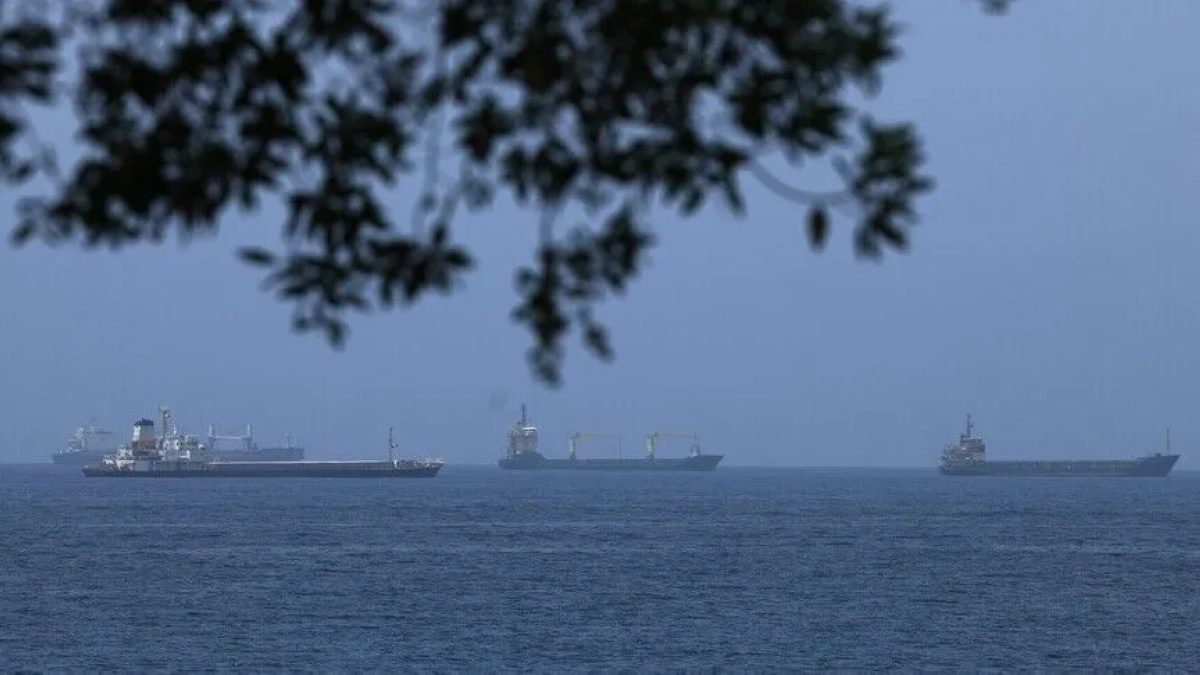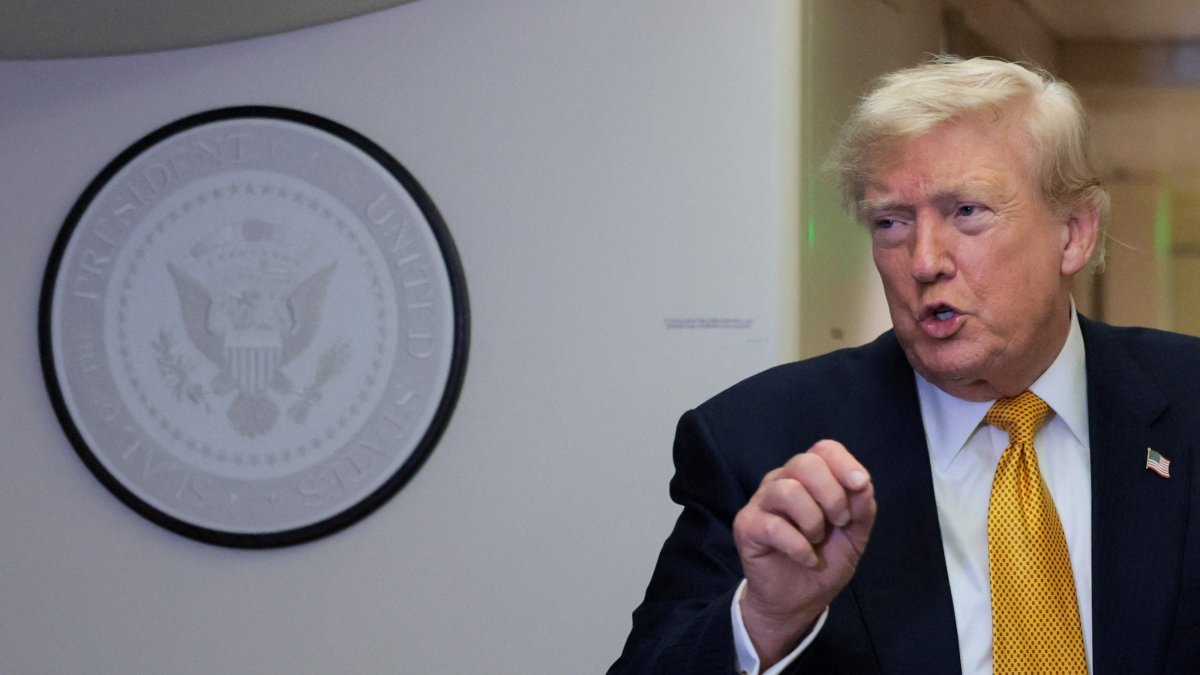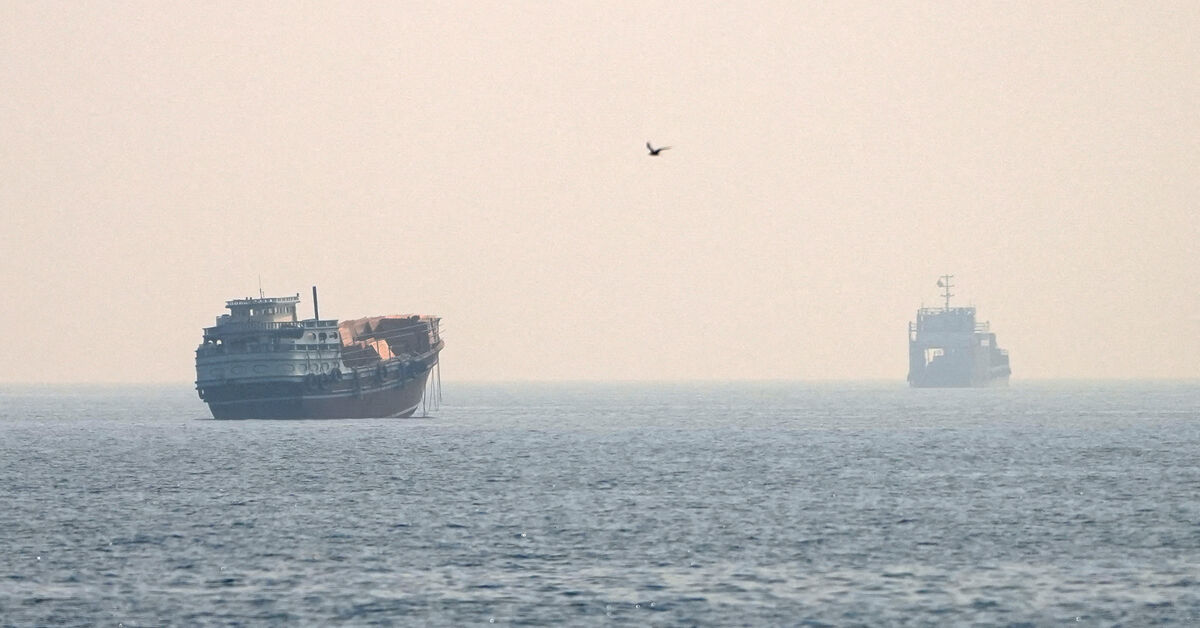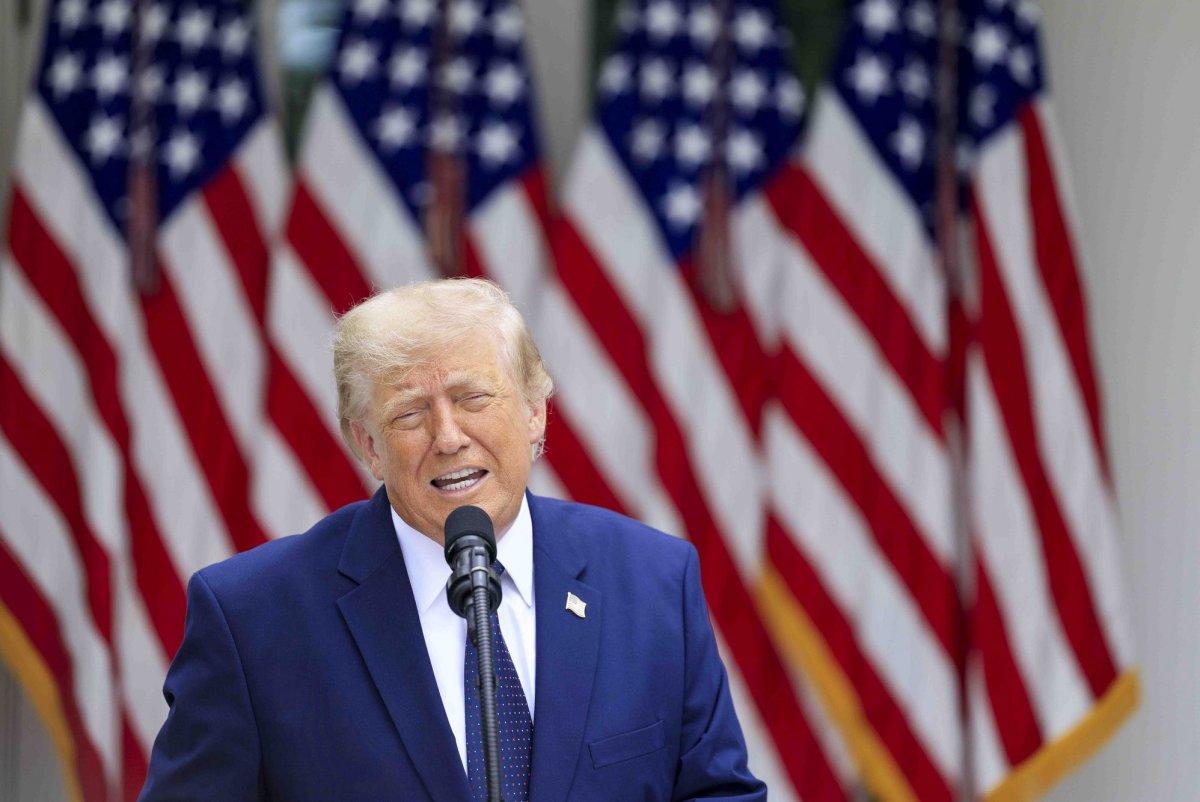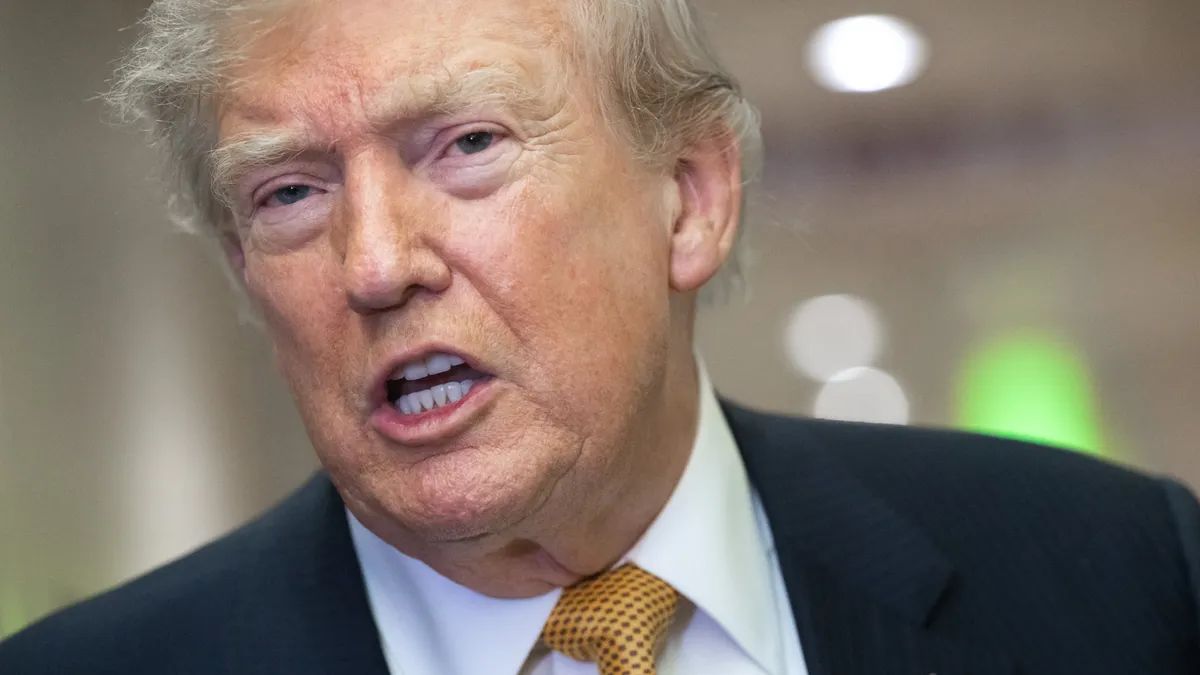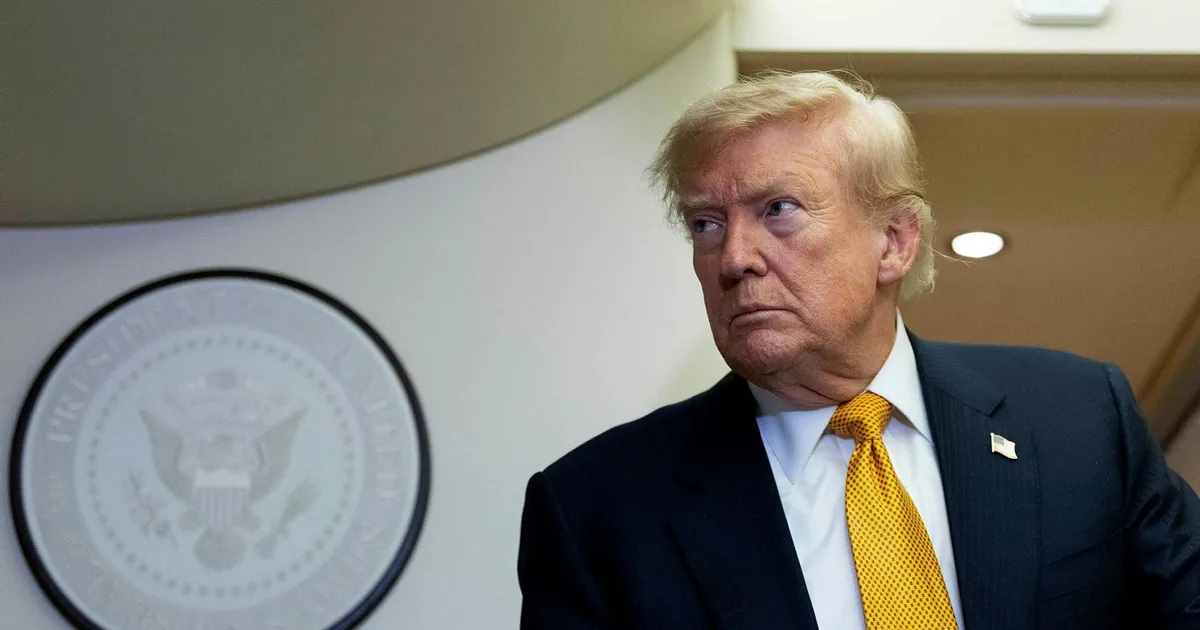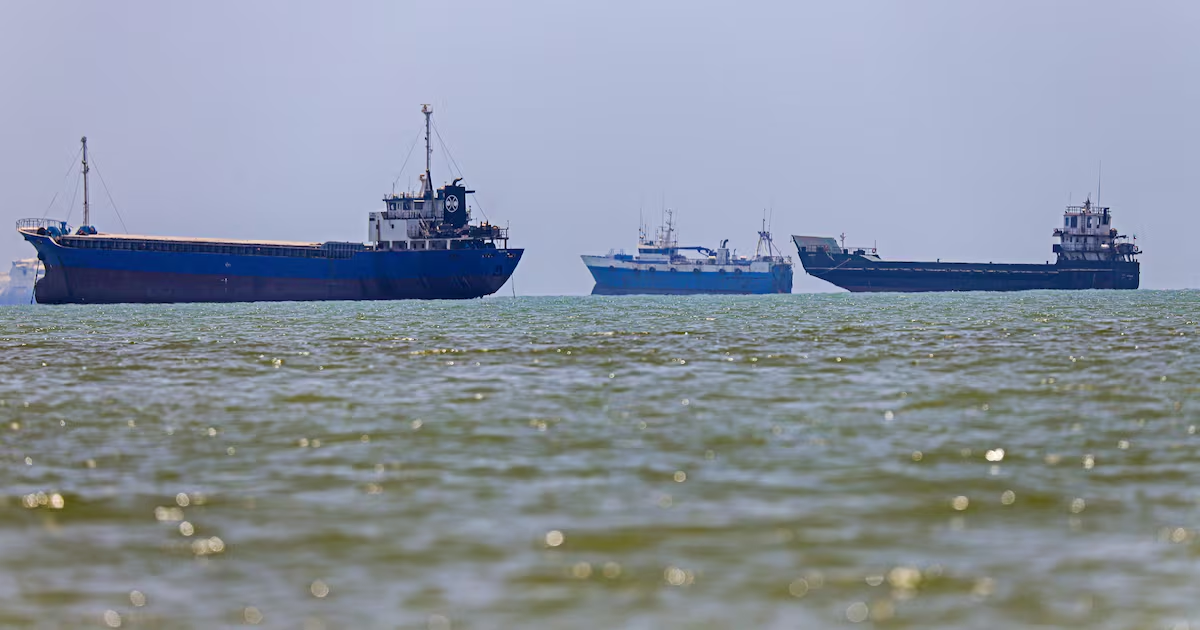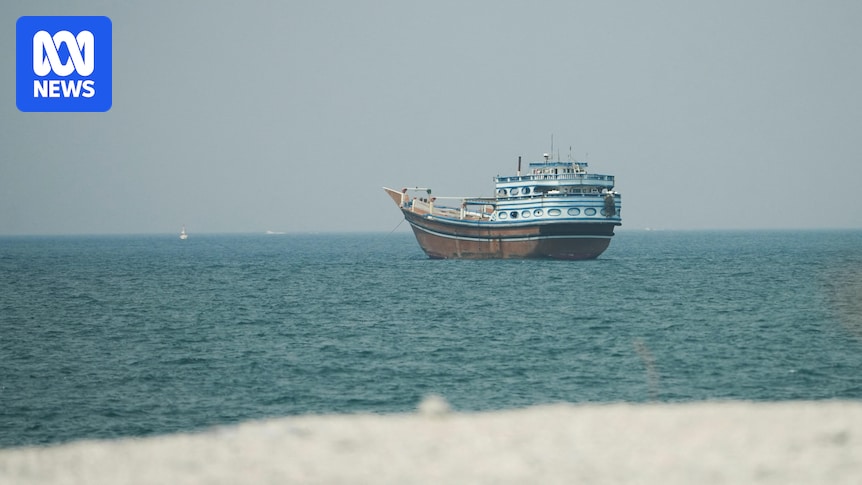
US President Donald Trump has said the United States would probably take over the Strait of Hormuz — and should be reimbursed for controlling the vital waterway.He made the comments after a weekend of attacks between the US and Iran stretched across the wider Middle East and further threatened any diplomacy to end the war."We're going to keep the strait, and we'll probably run it. We'll become the guardian of the strait," he said in a phone interview on Fox News. "Maybe we'll call it the guardian angel of the strait. "And we should be reimbursed for that."Who controls the key strait remains a sticking point in peace talks. (AP: Razieh Poudat/ISNA )Control of the Strait of Hormuz, a vital route for global oil supplies, has become one of the main battlegrounds of the conflict. Iran's effective blockade of the strait has pushed up energy prices and increased concerns about inflation globally"We're going to guard it. We're going to get paid for guarding it — a lot of money," Mr Trump added."We're going to be reimbursed, because the other nations are very wealthy. "They're on our side, and we can't be expected to do that for nothing."After announcing the waterway's closure on Saturday following what it described as an unauthorised transit, Tehran said on Sunday the passage remained suspended and that permits would be issued once "stability and calm" were restored."We had a deal. It was a done deal, and then they broke it," Mr Trump said."They always break it. "We've had 10 deals with these people, and so we're just going to hit them very hard."Iran's Revolutionary Guards said in a statement on Monday that the only way to restore regular shipping traffic through the strait was to end US military interventions in the waterway, and warned that "continued interference could lead to greater incidents in the global oil and gas sector."Donald Trump said the US would be reimbursed for Strait access. (Reuters: Umit Bektas)The number of tankers transiting through the key shipping path fell in the past day to the lowest level in two months, shipping data showed on Monday, local time as tensions renewed between the two nations.Based on available data, oil and gas tanker traffic fell to its lowest level since May 25, according to analysis from Kpler."Should the renewed escalation in the strait lead to another prolonged closure of Hormuz, the world will find itself in a much tougher spot," ship broker Gibson said in a report."With global inventories rapidly depleted in recent months, this is a recipe for much tighter supply, higher prices and significant downside risk for tanker markets."Earlier on Sunday, Mr Trump said the strait was open to commercial traffic, although Iran declared earlier that it closed the strait after a vessel travelled on an unapproved route and was struck.Iran's Revolutionary Guards said on Monday that their navy stopped two ships in the Strait of Hormuz last night by shutting down their systems. They did not name the ships involved.Peace talks between the US and Iran have devolved in recent days. (Reuters: Majid Asgaripour/WANA )US strikes kill twoUS strikes killed two people on Monday, local time in south-western Iran in an oil-producing region near Kuwait and Iraq, the Iranian Fars and Tasnim news agencies reported. "At this time, two people have been reported dead and three wounded," the agencies said, citing a Khuzestan province official, who mentioned strikes in "three different locations" on the outskirts of the city of Abadan.Semiofficial Iranian media reported strikes on Sistan and Baluchestan province too.A base belonging to the armed wing of the Kurdistan Freedom Party, an Iranian Kurdish opposition group based in Iraq’s semi-autonomous northern Kurdistan region, also came under drone attack on Monday. Rebaz Sharifi, commander of the Kurdistan Militia Corps, said the strikes targeted the group’s Chamshar base, without giving details on casualties or damage. No group immediately claimed responsibility.Iran and the US are nearly halfway through the 60-day interim deal period that was supposed to set up talks for a permanent end to the war. Instead, it has devolved into a series of attacks over the strait and its future, worrying world leaders the Iran war could fully resume.“A return to full-scale hostilities would have catastrophic consequences,” United Nations Secretary-General António Guterres said in a statement.Wires
Trump wants US to take over Strait of Hormuz and be reimbursed for control
Iran's Revolutionary Guards said the only way to restore regular shipping traffic through the strait was to end US military interventions in the waterway.
713 words~3 min read