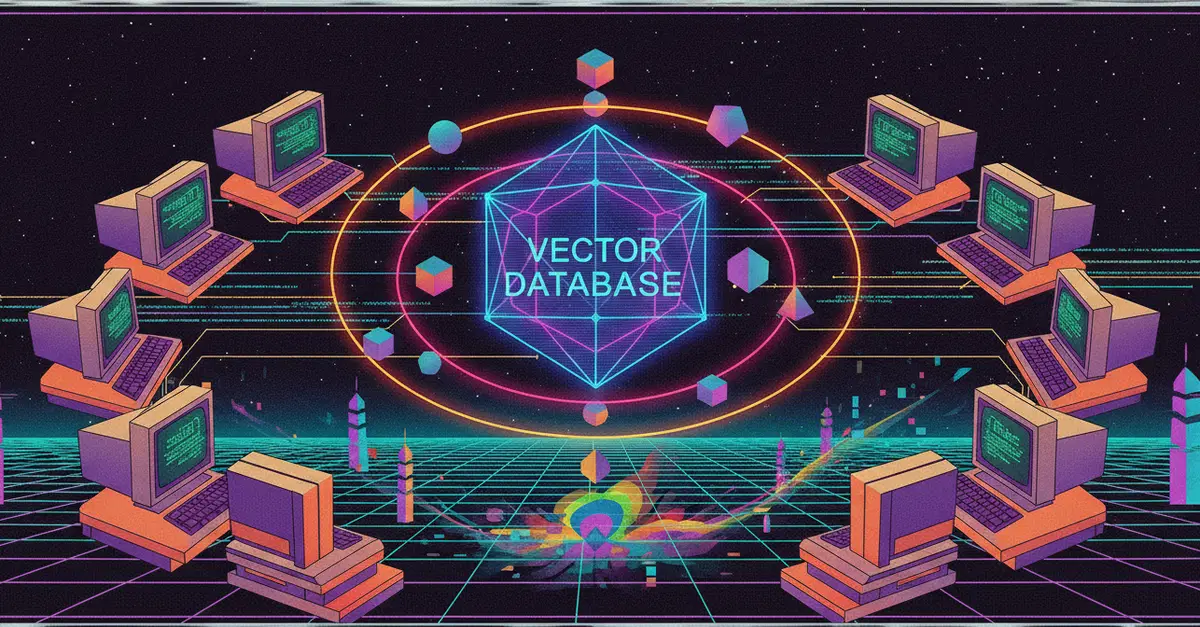
If you've been exploring AI and large language models, you've probably heard about vector databases. They're very important for llm behind semantic search, recommendation systems, and Retrieval-Augmented Generation (RAG). ChromaDB is one of the most beginner-friendly options out there—it's open-source, runs locally, and requires no cloud account to get started. Let's dive in.
What Makes ChromaDB Special?
Traditional databases search by matching keywords exactly. Vector databases work differently—they store data as embeddings (lists of numbers that capture meaning) and find results based on semantic similarity rather than exact word matches.
Here's a simple example: if you search for "pets," a vector database can return documents about dogs and cats, even if the word "pets" never appears in them. This capability powers modern AI applications, such as chatbots that can reason about your specific documents.
ChromaDB is particularly popular for its low learning curve. You can run it entirely on your machine, making it perfect for prototyping and learning before moving to production systems.