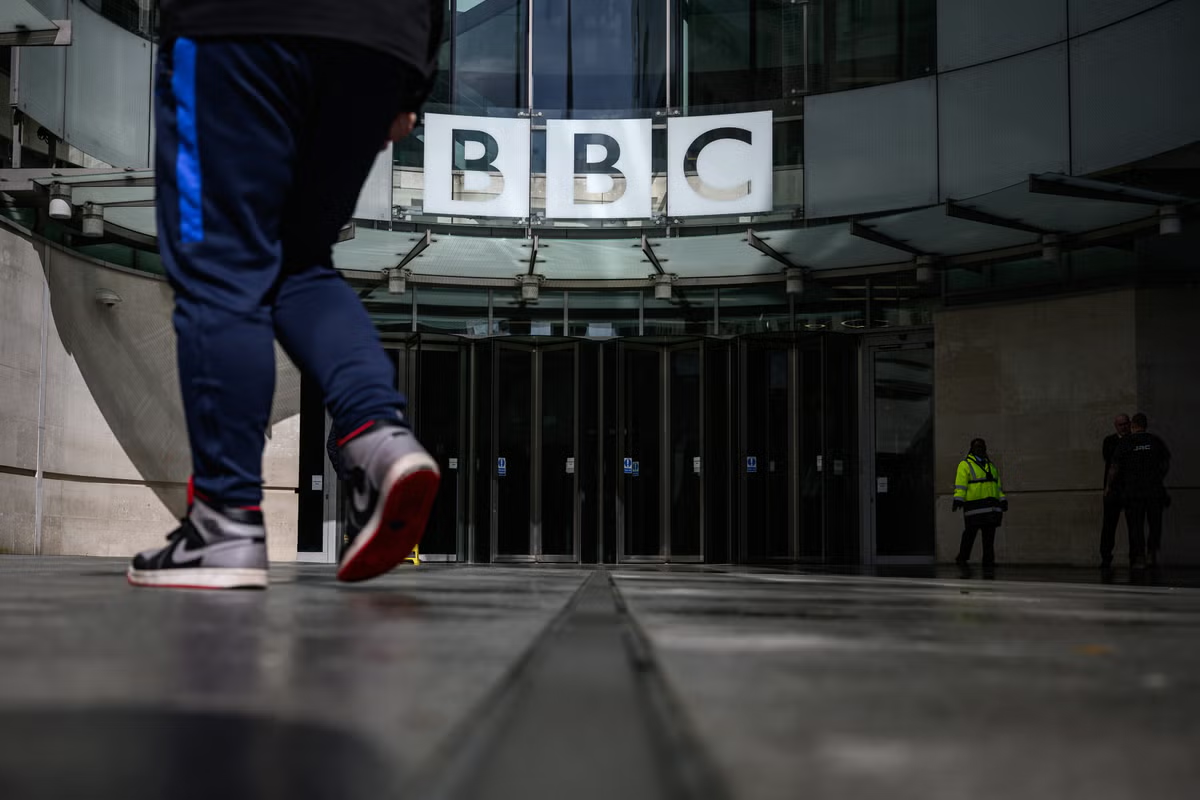
The BBC is still the U.K.’s leading media brand, reaching an average of 94 percent of British adults every single month and generating £6.7 billion ($8.96b) for the country’s economy from 2025 to 2026. But financial uncertainty looms large, according to the public broadcaster’s Annual Report, published on Tuesday.
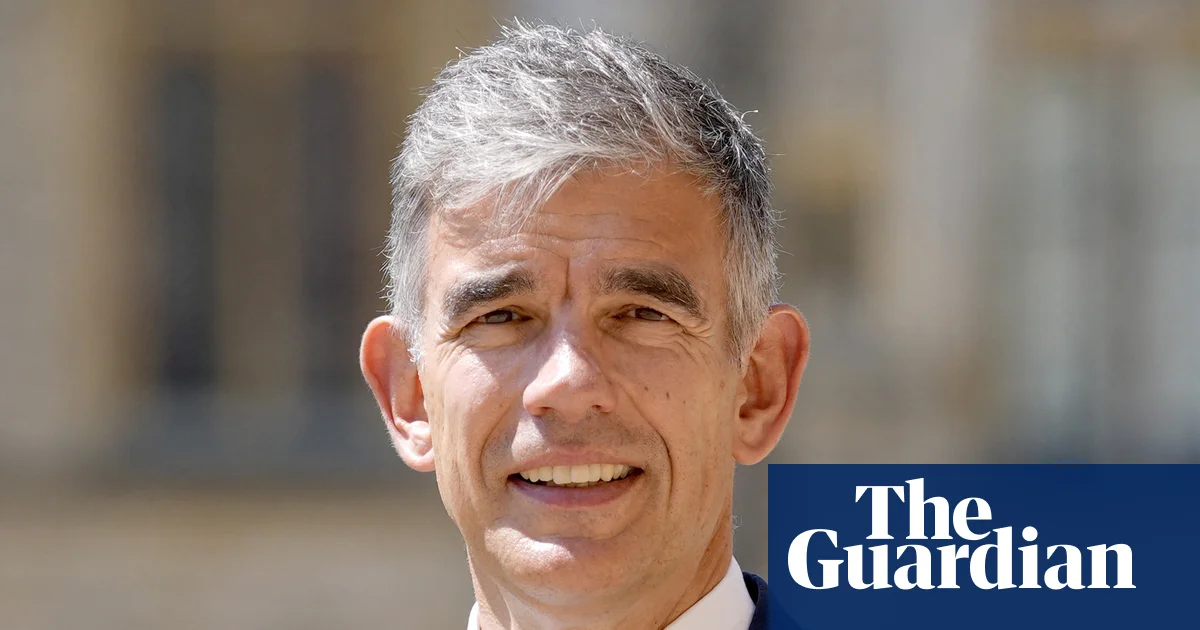
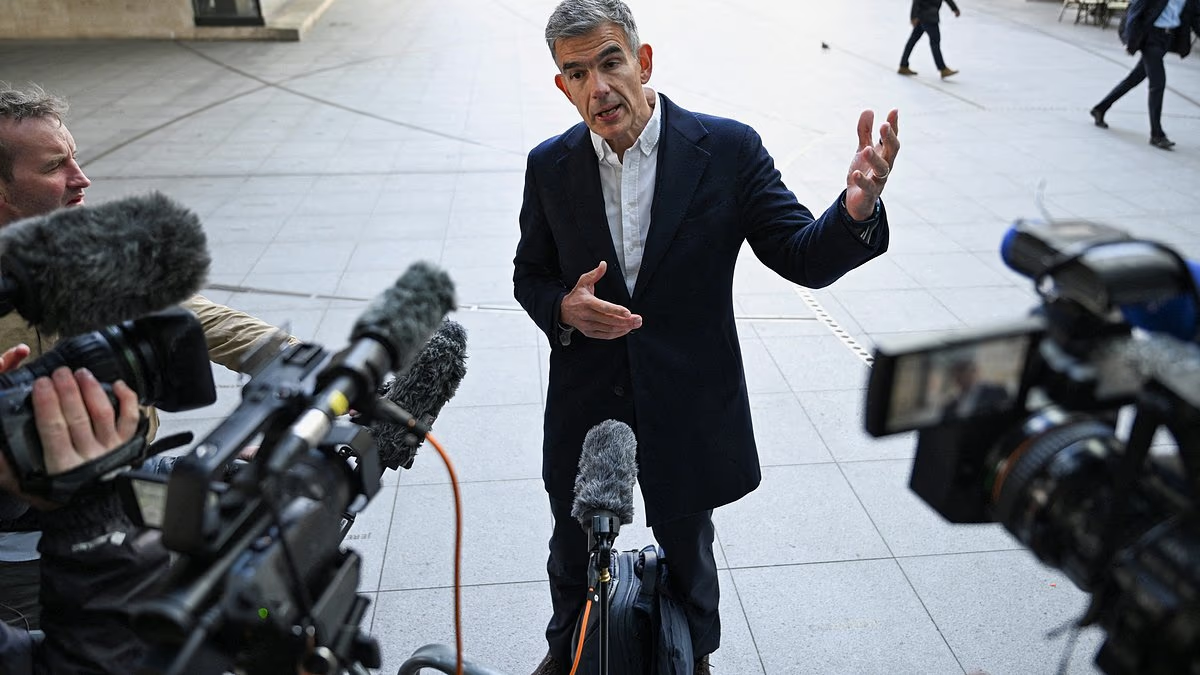
New director-general Matt Brittin has conceded that this is a moment “of real jeopardy” for the British broadcaster, even with the buoying figures released. That much was obvious when the BBC boss confirmed last month that major cost-cutting is to be put into action, including 550 layoffs.
The report says audiences spend more time with BBC television and streaming service iPlayer than all of the big SVOD players combined, and over 30 million people on average tune into BBC Radio every week. It is the only U.K. brand in the top five most-used by young people and remains the U.K.’s most-trusted media provider for fact-checked, accurate reporting and content, as well as the world’s most-trusted provider of international news with a global weekly audience of half a billion. The BBC’s commercial side reported revenue of £2.2 billion ($2.90 billion).
But pressure is mounting, and the report confirms the BBC will not be able to sustain its “public service mission” in the future without reform of its funding model. At the moment, though 94 percent of adults use BBC services every month, fewer than 80 percent of households pay the license fee — a flat fee of around £180 ($240) that most households pay annually to use the public broadcaster.