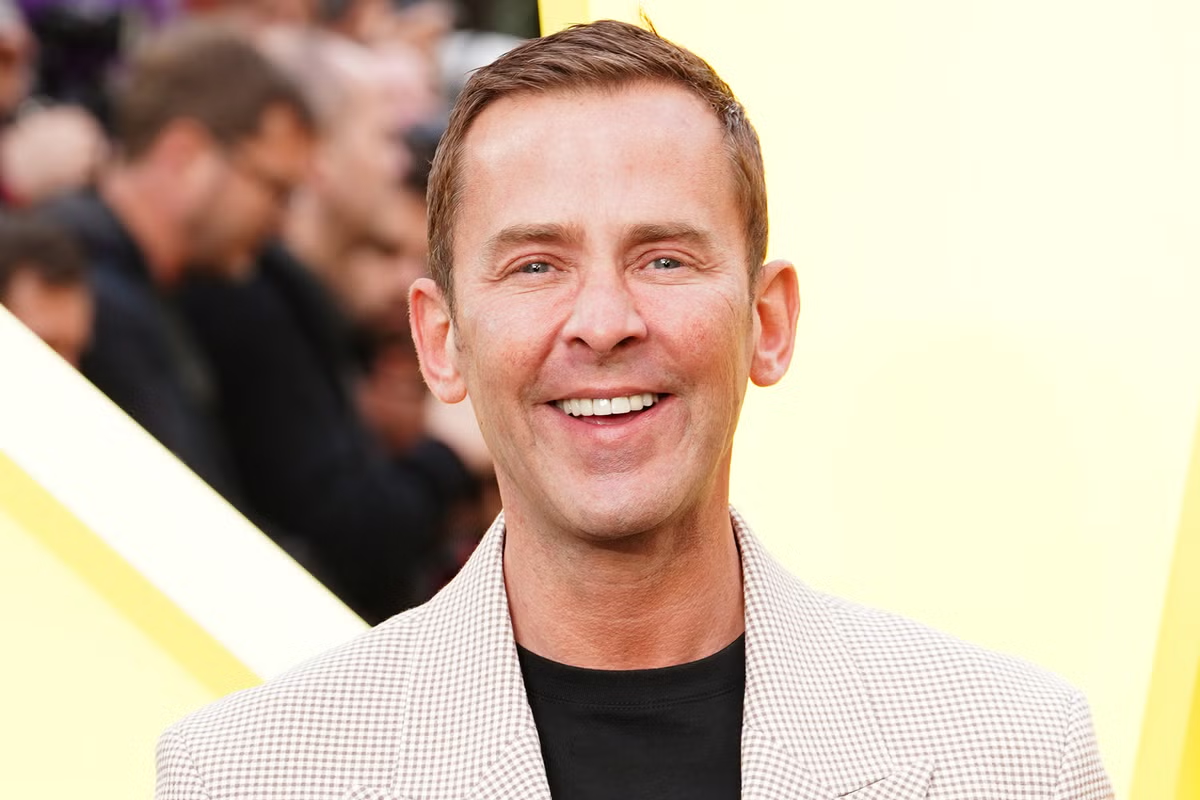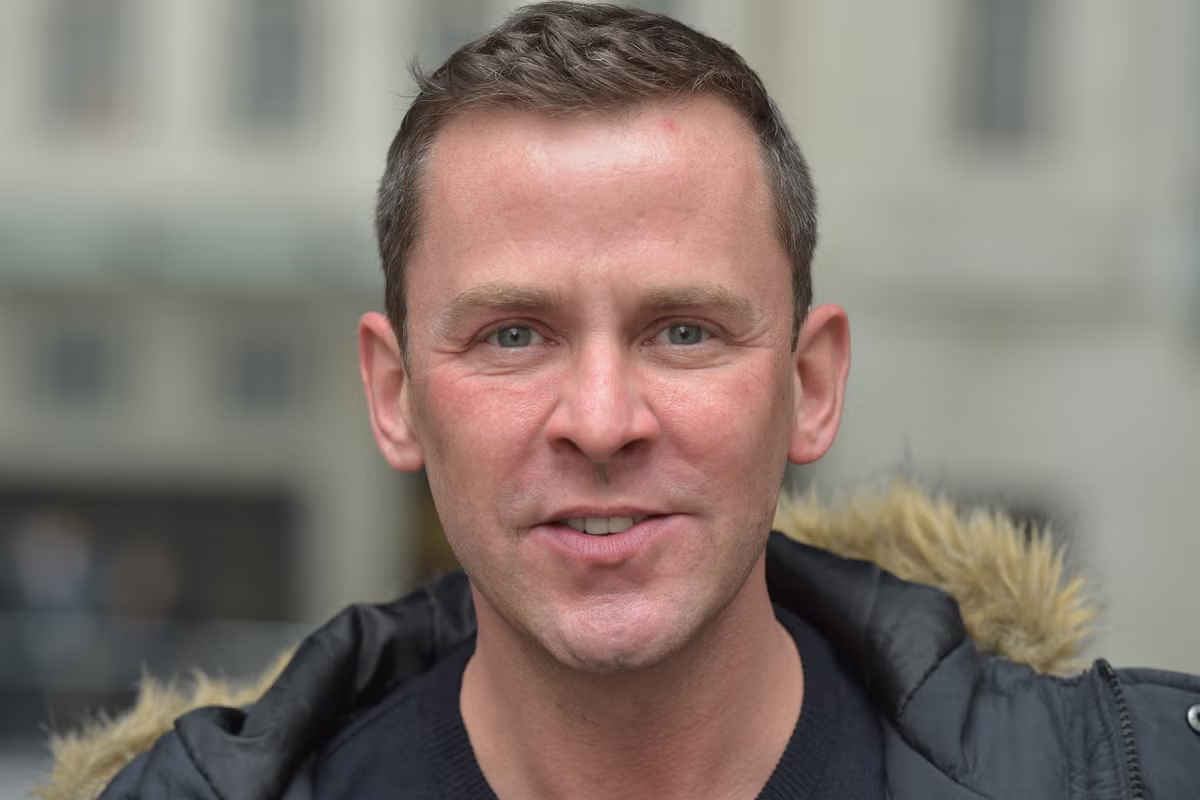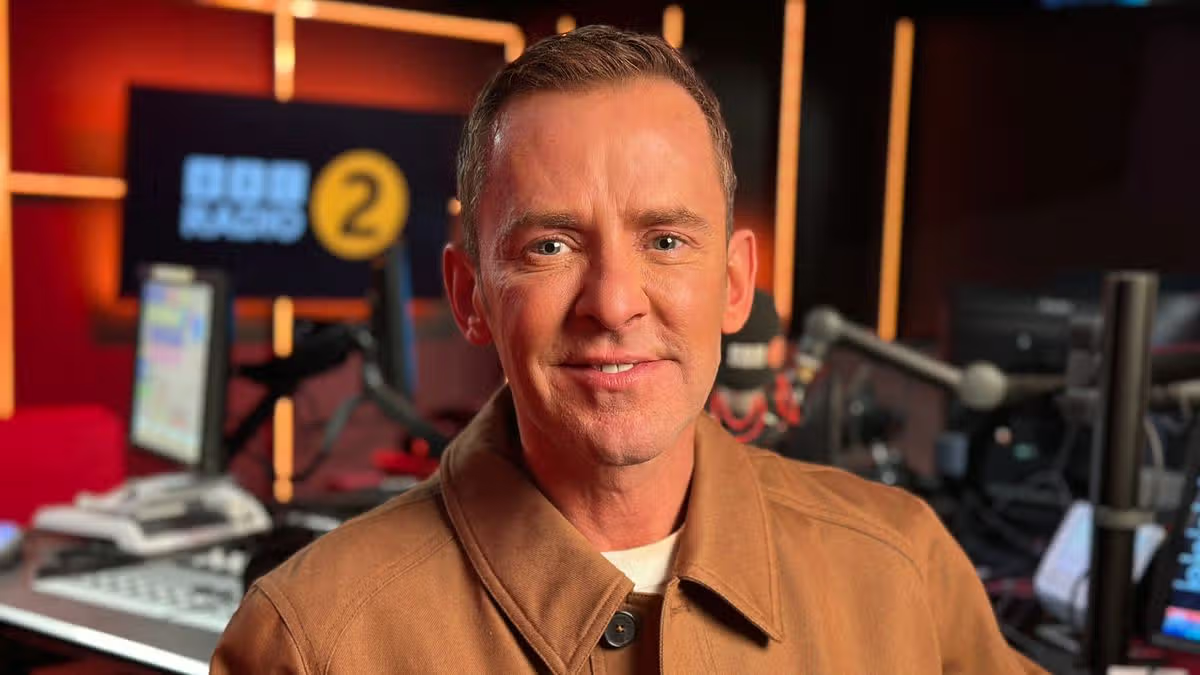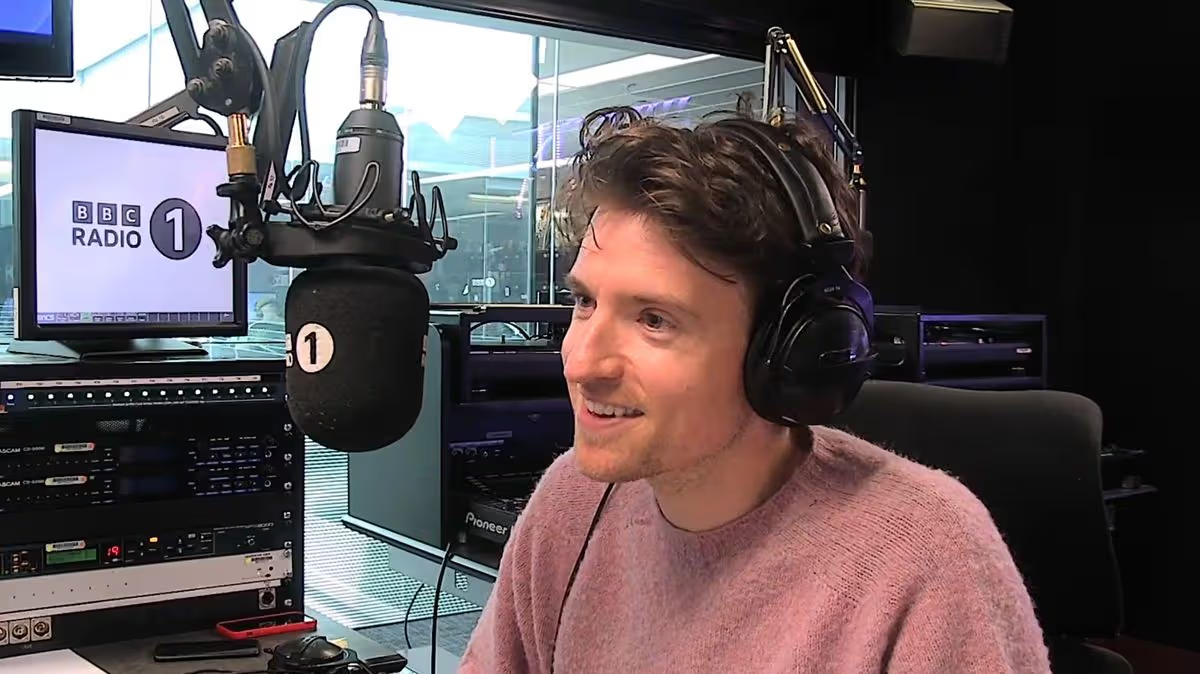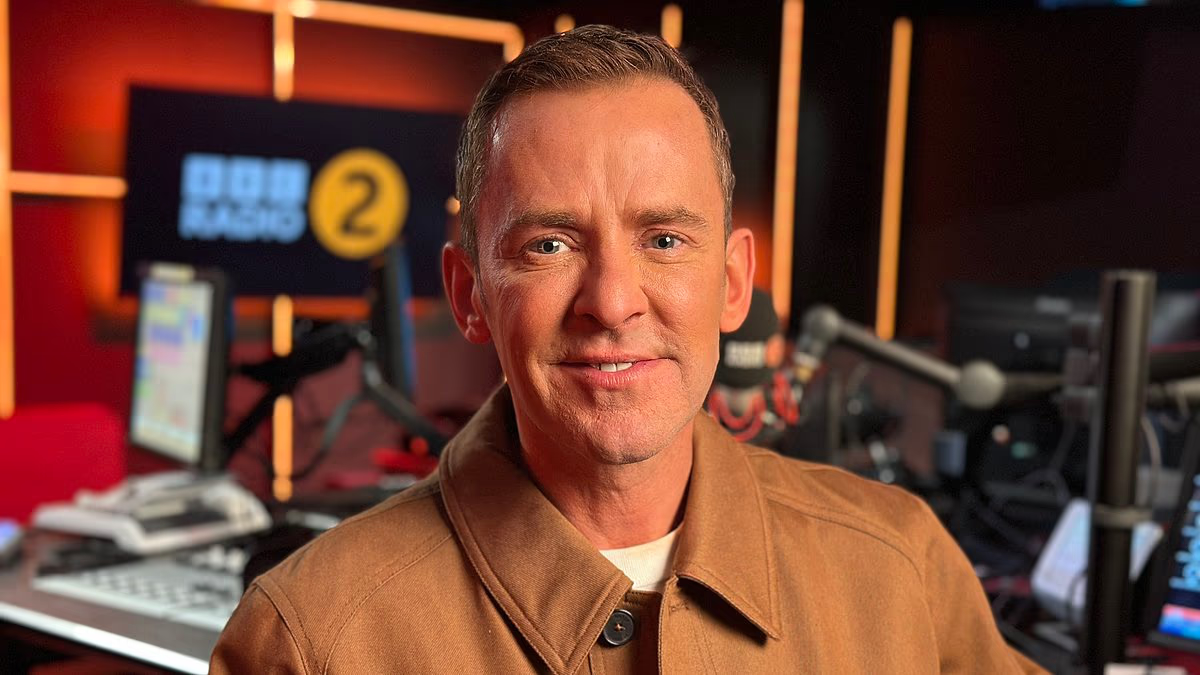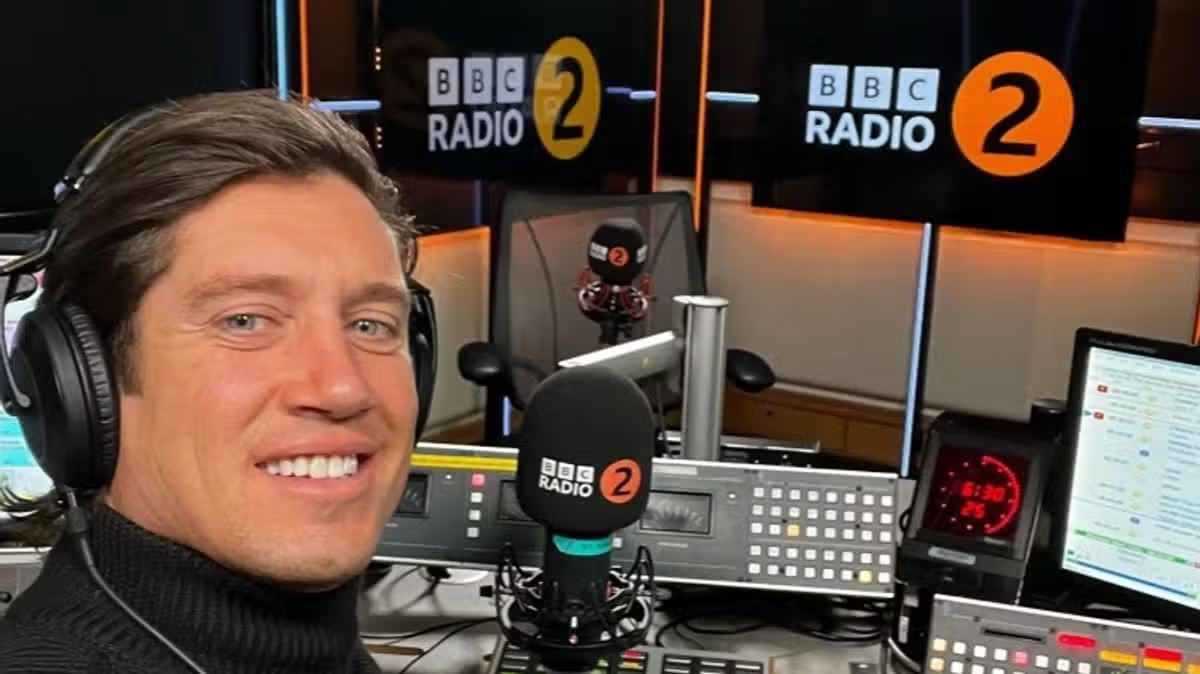
At a time when more than half a million households have stopped paying their licence fee, can the BBC really afford to be paying the likes of Scott Mills £750,000?OK, it’s a moot point, because the BBC’s highest earning star of 2025/26 has already been sacked for sexual misconduct and so is no longer earning a penny from the Corporation.But still, top earners like Greg James, Stephen Nolan, Laura Kuenssberg and Vernon Kay have all seen their £400k+ pay packets jump up by between £10k and £20k in the past year. And in the current financial climate, that is going to rankle with the average punter as popular programmes like BBC2’s Winterwatch are snatched away to save money.That said, credit must be given where it’s due and the BBC has clawed back an impressive amount from the total talent pay bill since the salaries were first revealed nine years ago.The evidence is best shown by the sliding pay scale of the Radio 2 breakfast show hosts since 2017. Back then, we learned that Chris Evans was getting £2.2million for his role in the early bird slot. When Zoe Ball took over from 2019 she earned £1.4m for the same gig, but asked for that to come down, which it did, to £950k.In that context, Scott Mills £750k now seems a bit more reasonable. And who’d like to wager that Sara Cox, who took over the plum gig earlier this month, is getting a far lesser whack when we find out her pay next year?Let’s also not forget that Gary Lineker exited on a pay packet of £1.75m and Graham Norton used to earn £900k for BBC work that DIDN’T EVEN INCLUDE his weekly chat show, which was paid separately.Asked this morning why there were still many presenters earning over £250,000, BBC Deputy Director General Rhodri Talfan Davies pointed to the “remarkable progress” that had been made in the past “six or seven years”. Stressing that talent pay above the £500k mark had fallen by 50%, he explained: “If you look at all our on-air presenter costs over the last seven years, they've come down by about £20 million. So we have been focused on it.”The inflated salaries of BBC presenters is one of the top reasons given by those who disagree with paying for their licence fee. Why are they parting with £180 of their hard-earned cash when the talent is paid so very much, is a cry heard time and time again.But those bumper pay packets running into the millions have now been firmly consigned to history and work to further bring down pay will carry on.Admitting it was a “balancing act” in terms of being able to pay enough to attract the best talent, Talfan Davies said: “We’re very mindful of the financial pressures that we're facing. But we're striking that balance very, very carefully, and I think you'll see that downward trend continuing in the months to come.”Voting with their feet, as 539,000 have done this year by not paying for a licence fee, is not fair on the vast majority who do cough up. The BBC’s finance boss Bey Michel told us today that many of those evaders wrongly feel they are exempt because they only watch on catch-up - a trend which she believes will only accelerate.So what’s the answer? Making the streamers pay their way might be one solution. Director general Matt Brittin suggested expanding the scope of the licence fee to encompass the likes of Netflix, Amazon Prime, Apple and Disney would certainly help to reverse the decline in licence fee income.Making his case, he argued: “The investment over 100 years by the BBC and other public service broadcasters in the production ecosystem is one of the reasons the streamers are able to come here and make shows.”Totally right. But extracting money out of streamers who often don’t even like to pay corporation tax? Good luck with that.
Top BBC stars get pay boosts as beloved shows bite the dust - it all feels wrong
As more than half a million people stopped paying the licence fee last year, it seems the Corporation's presenters are still being paid too much, says NICOLA METHVEN
655 words~3 min read