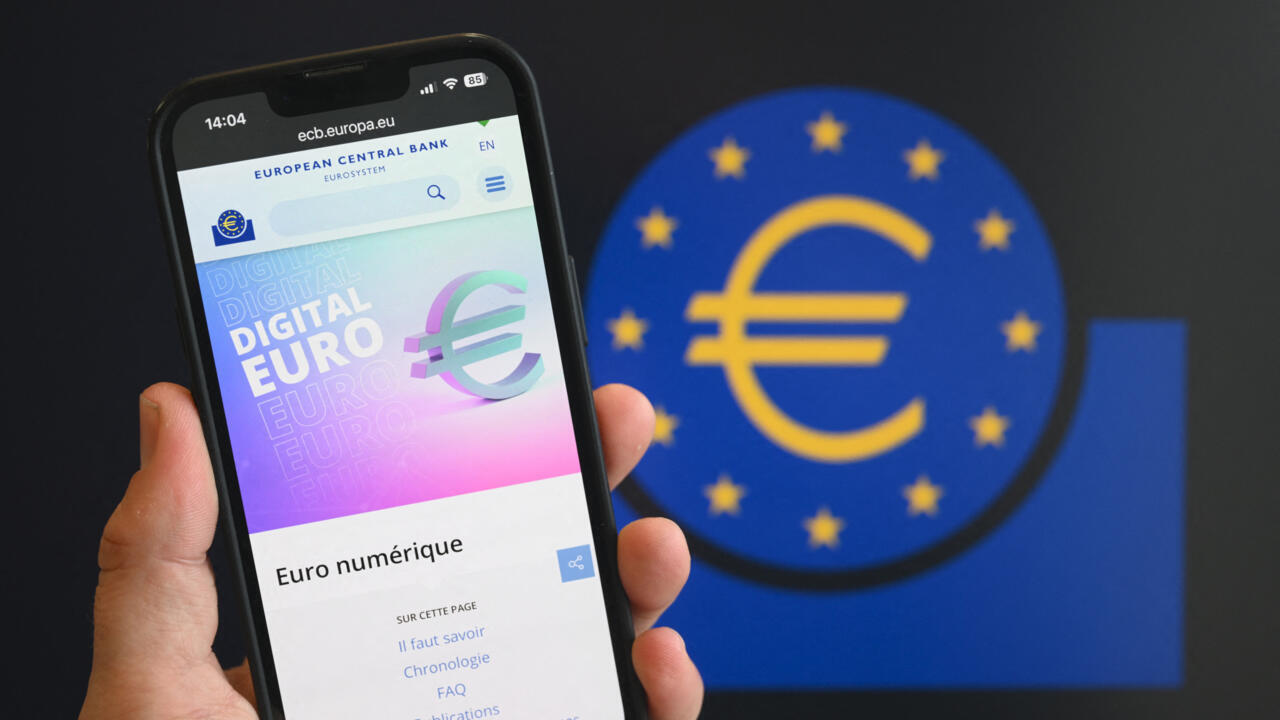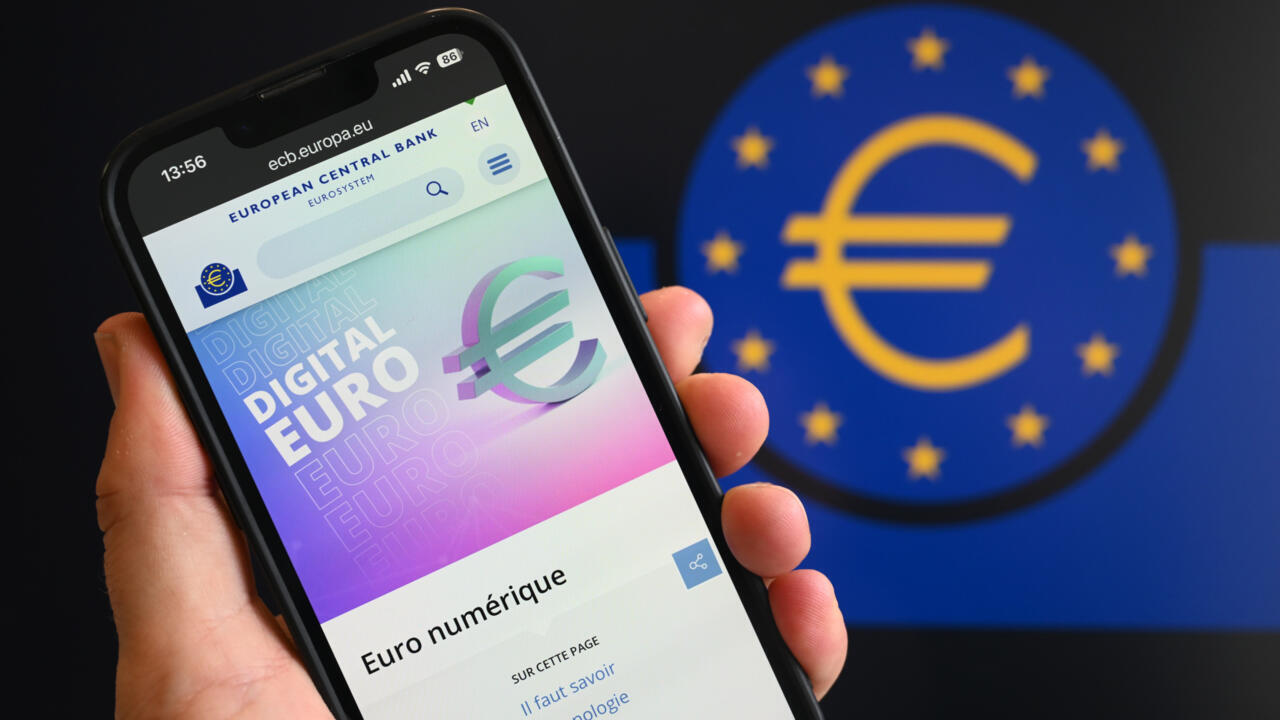
The European Parliament approved its negotiating position on digital euro regulation on July 8, 2026, moving the project one step closer to reality.
The European Central Bank wants to issue a digital euro by 2029, following legislation expected later this year and a 12-month pilot program beginning in mid-2027. The pitch is straightforward: cash use is declining, private payment systems are gaining ground, and Europe needs a public digital alternative.
The privacy problem nobody has solved
The European Data Protection Board flagged exactly this risk back in 2021, recommending that any digital euro system include anonymous or pseudonymous transaction options.
Economist Daniel Lacalle has been among the more vocal critics, warning that the digital euro’s design, which includes programmable features and digital identity requirements, could enable unprecedented transaction surveillance.