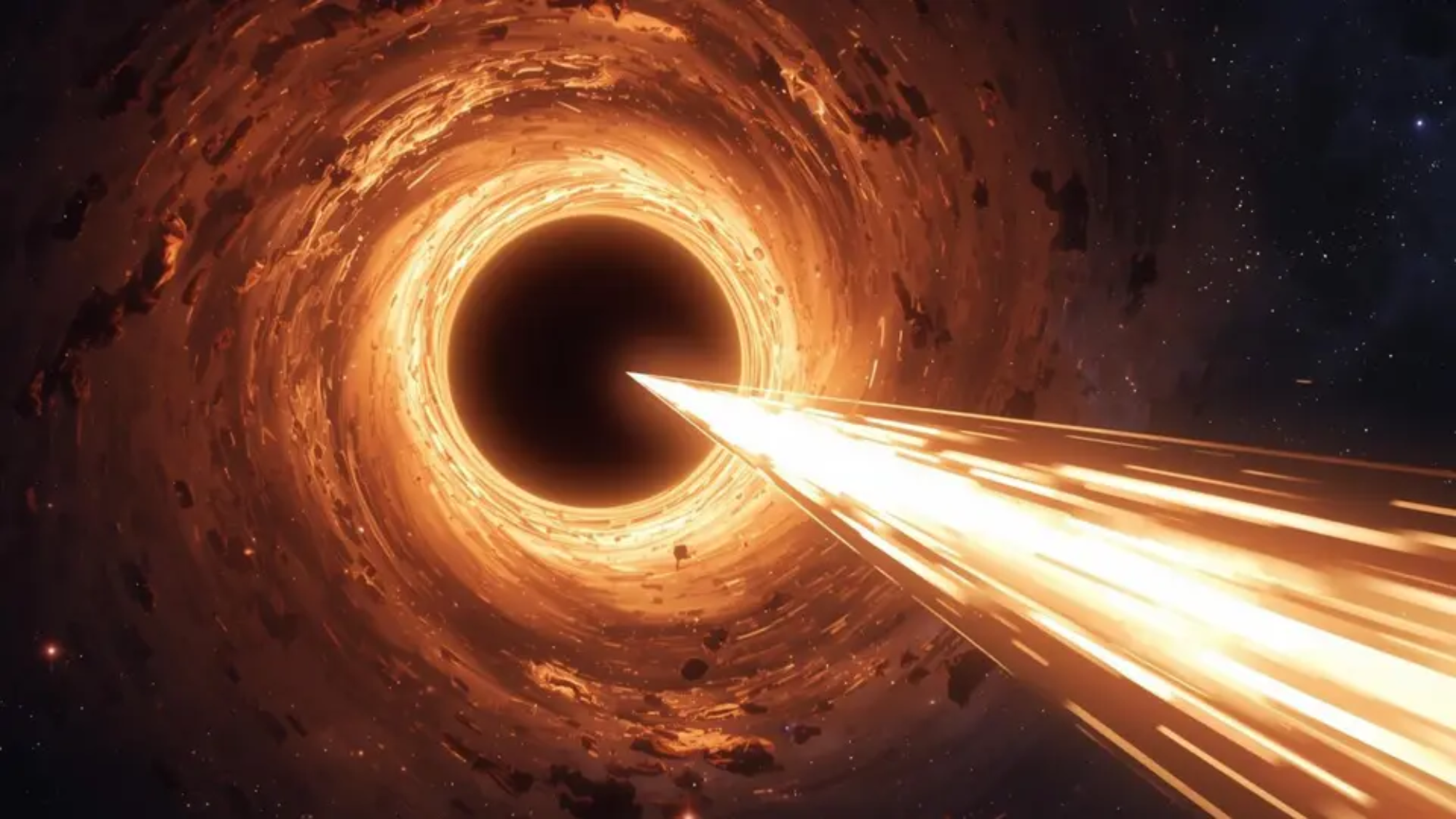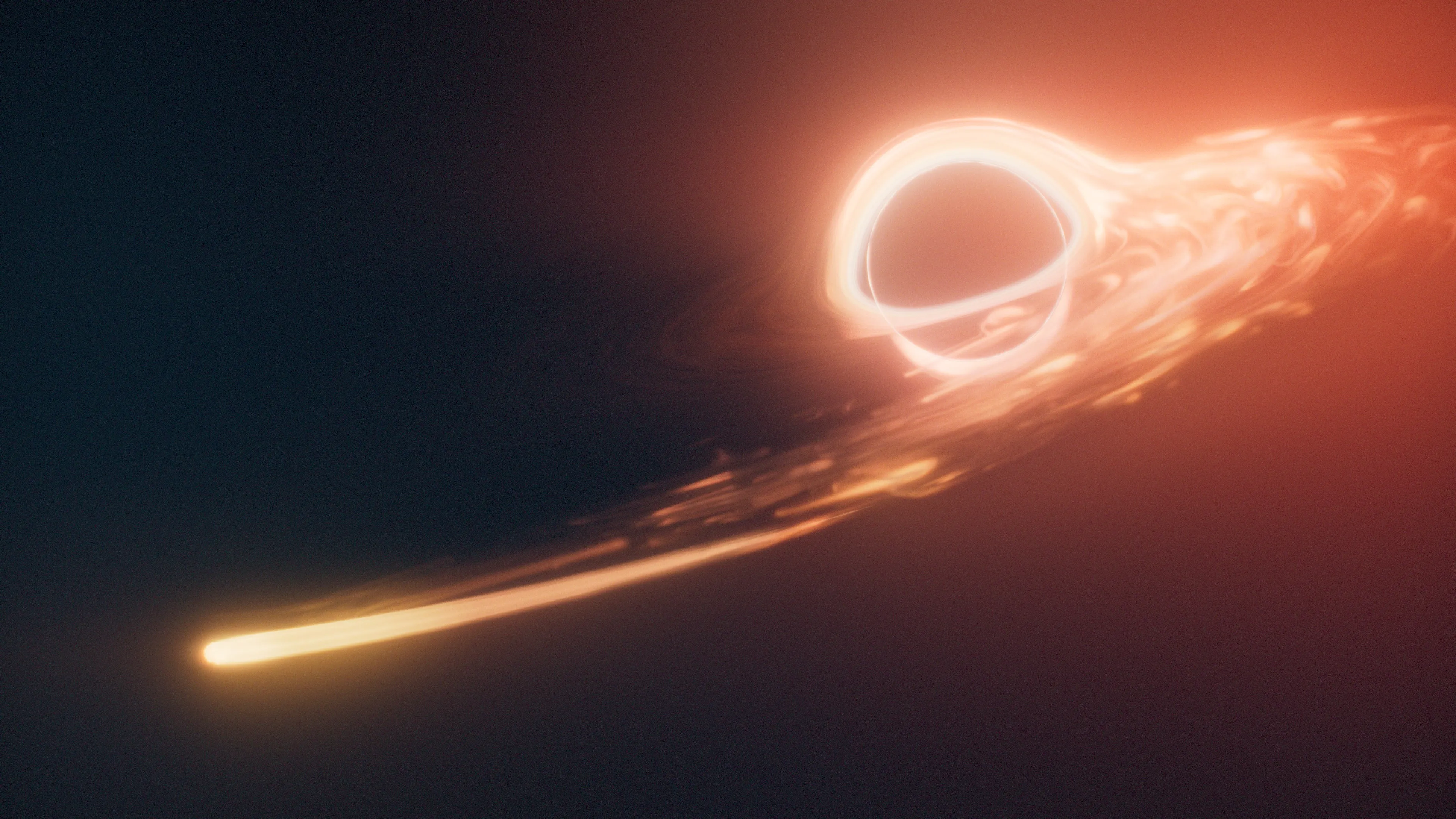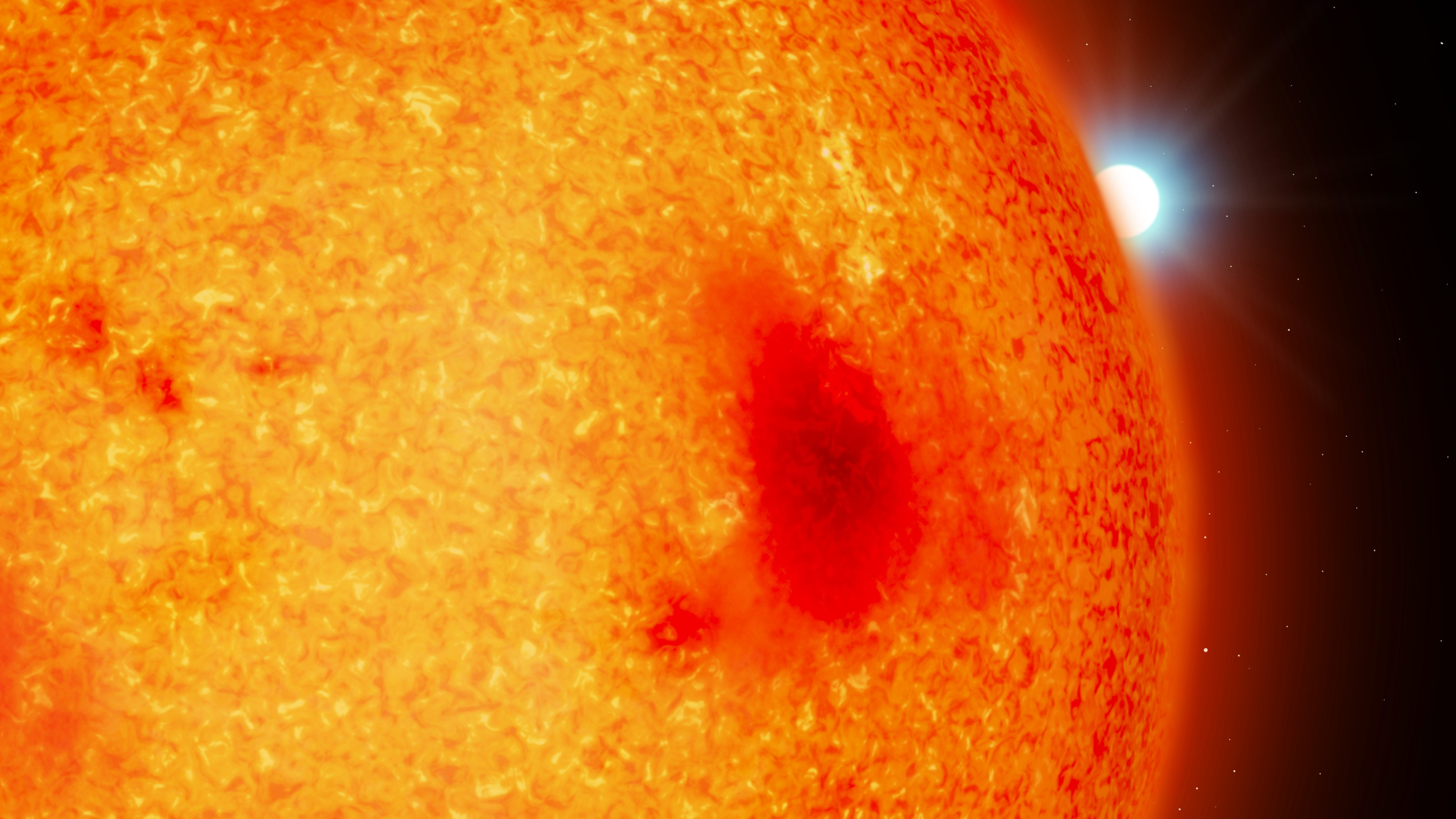
Most of the black holes that make headlines are absolute space monsters.They outweigh millions — or even billions — of suns, anchor entire galaxies, and reveal themselves by blasting out powerful jets or guzzling huge amounts of gas.This one is different.
You May Also Like
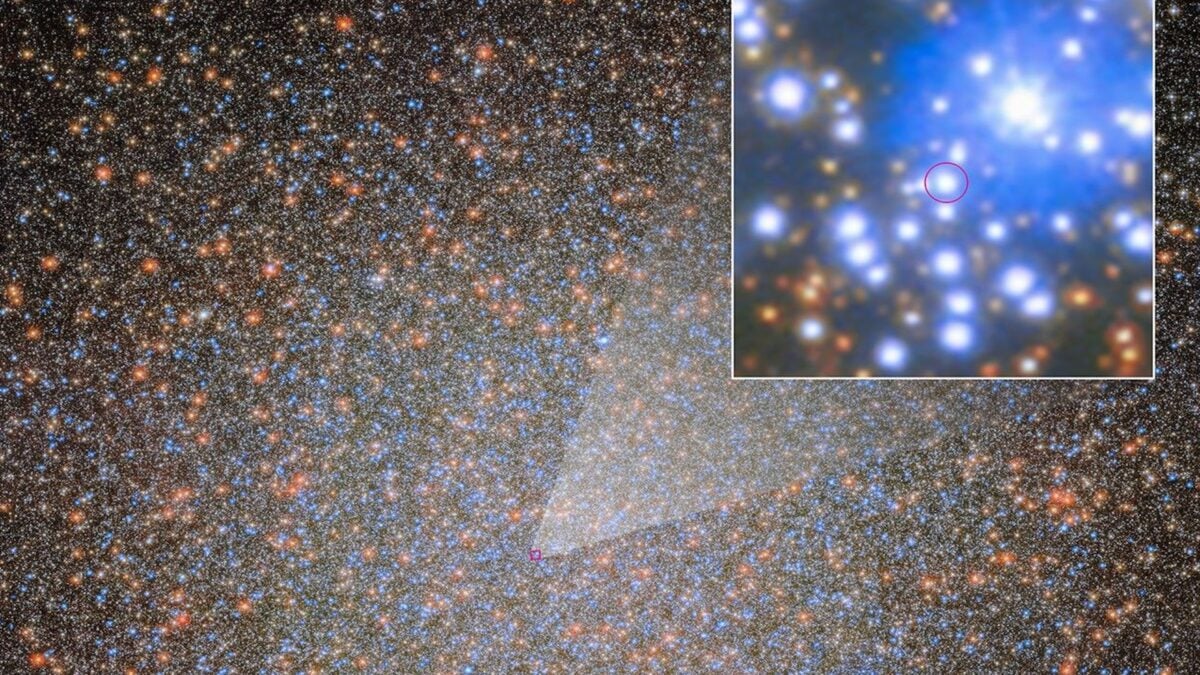
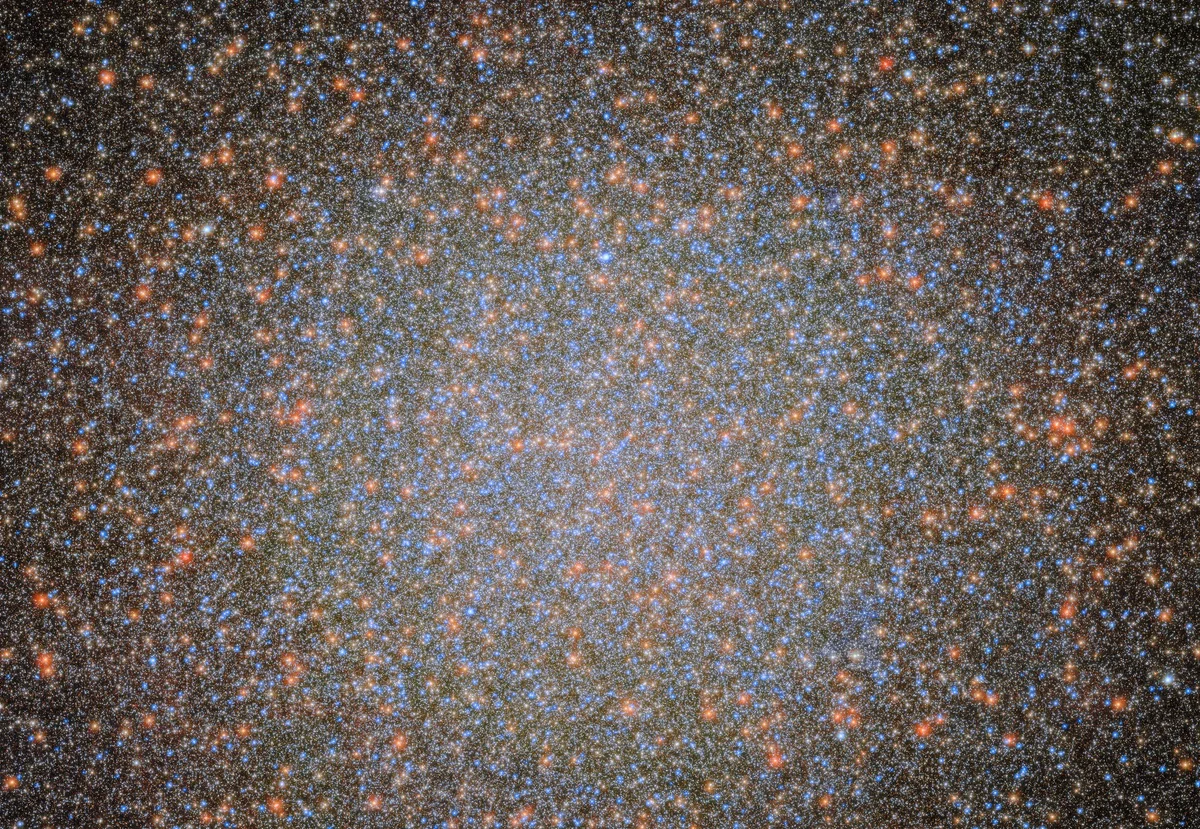
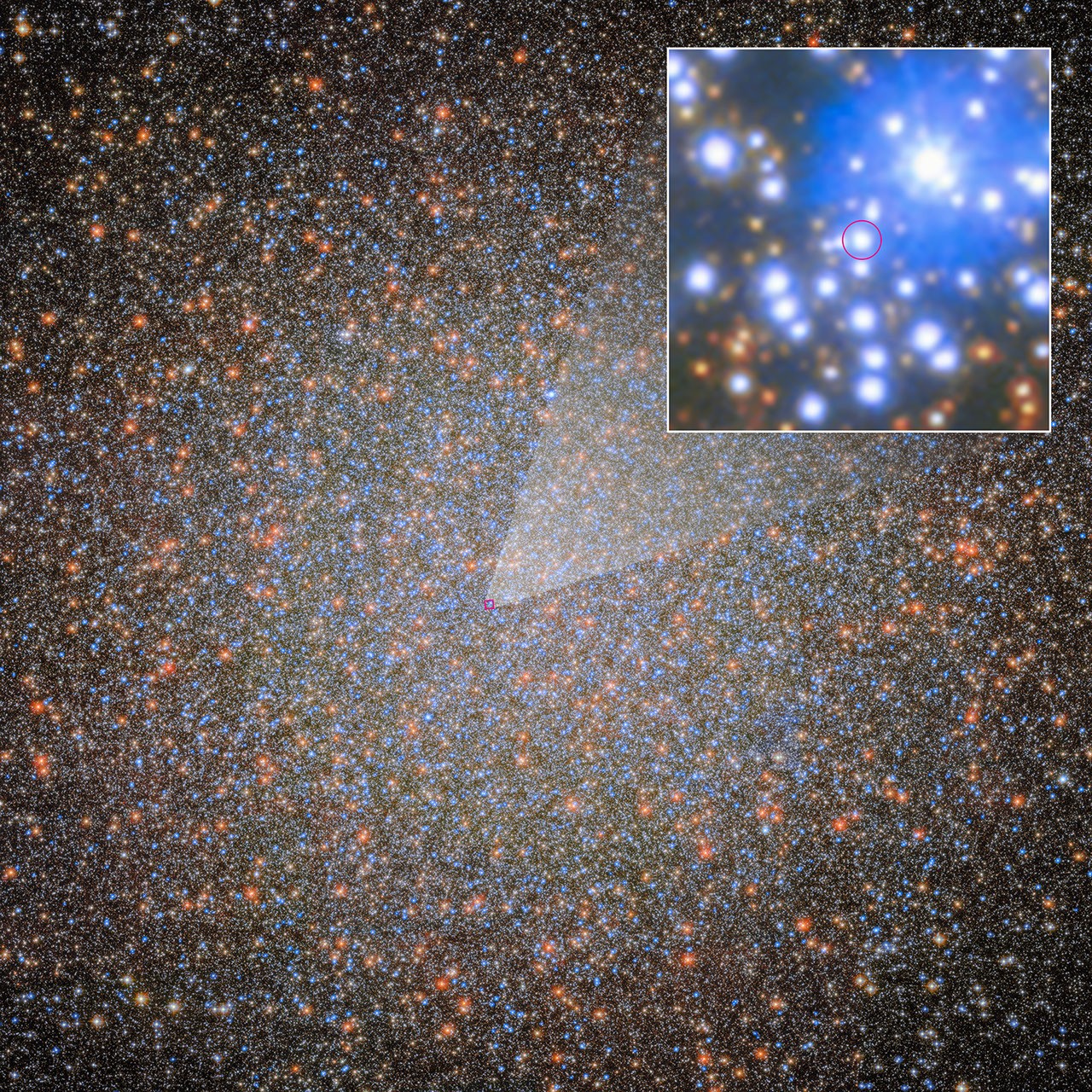
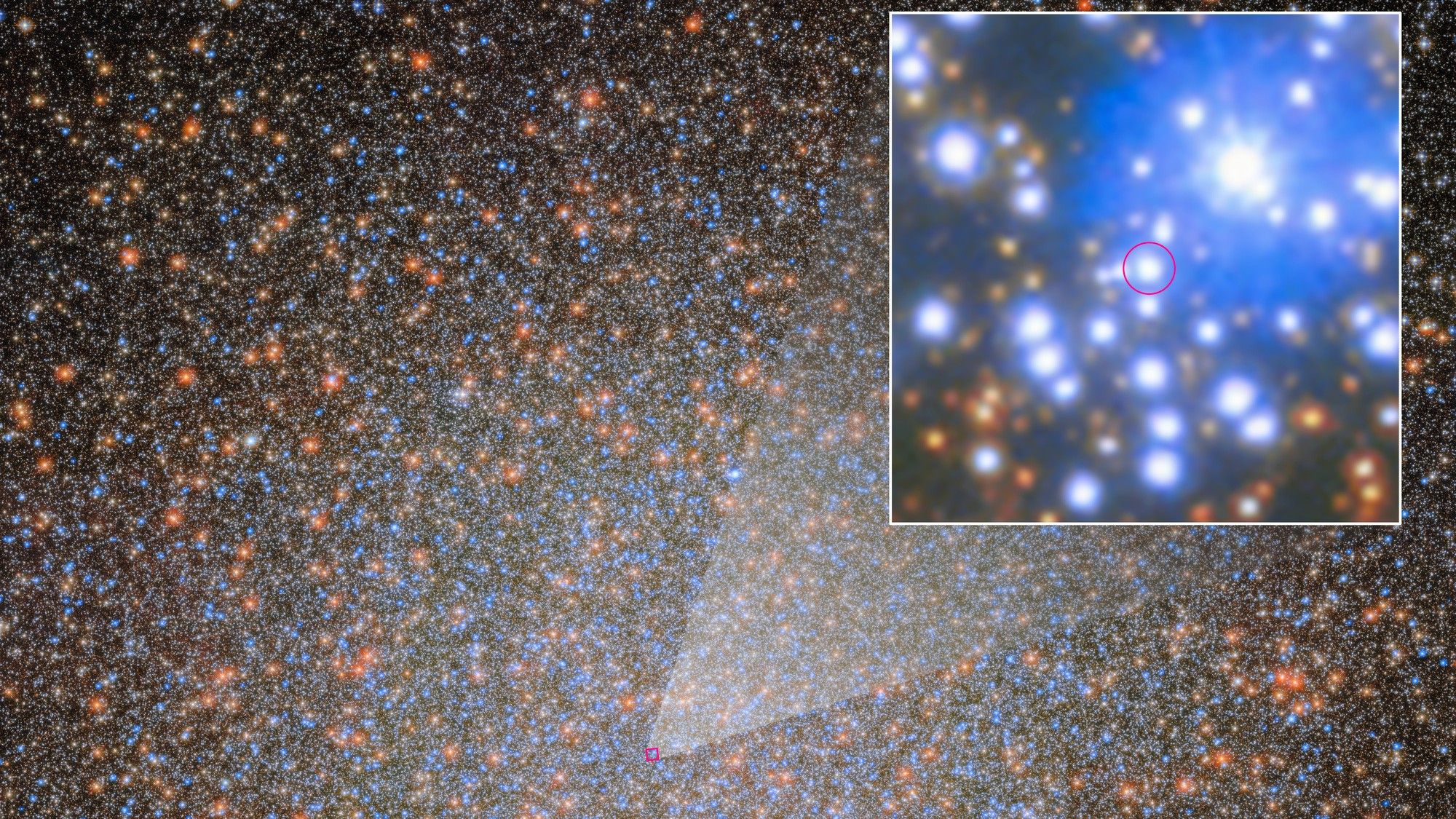
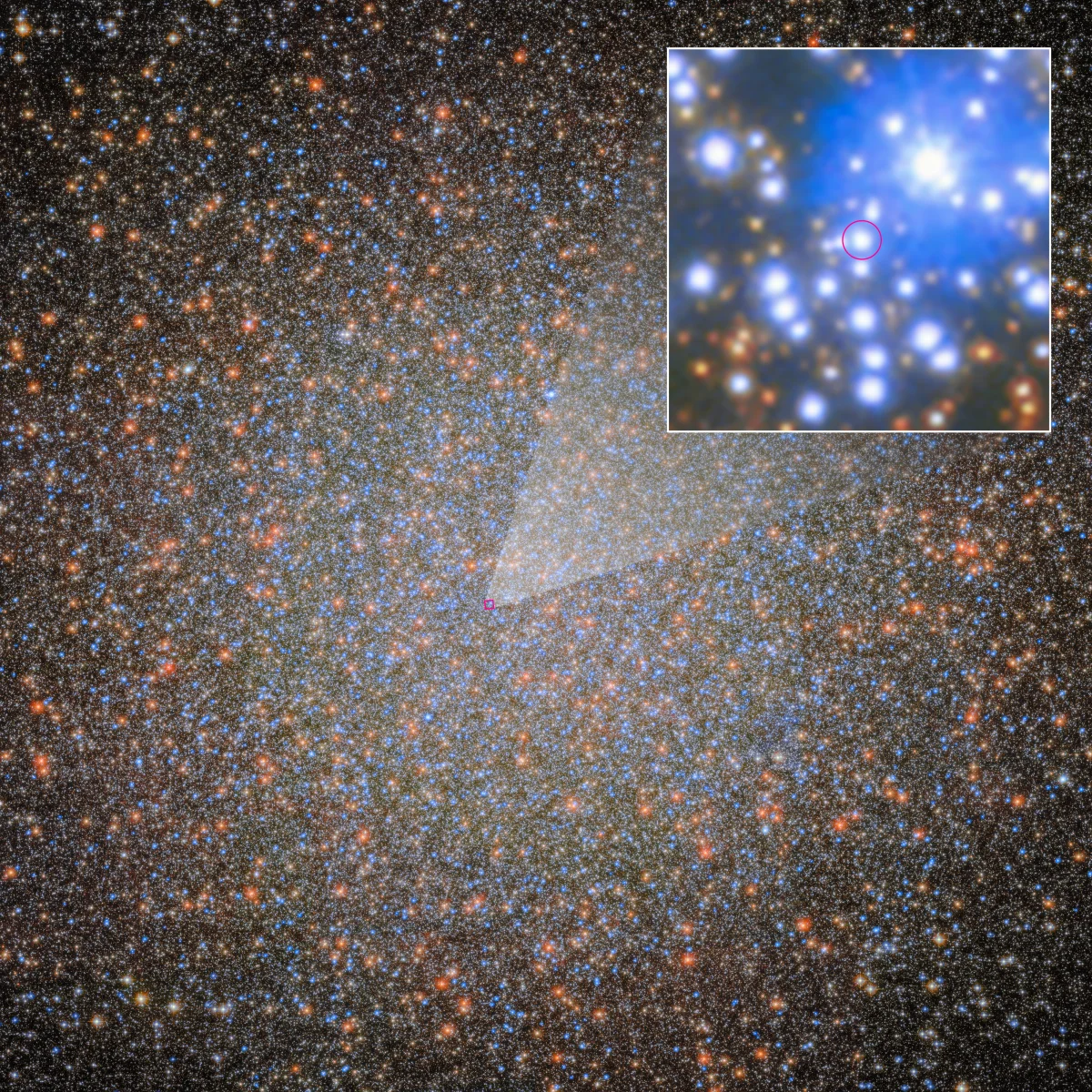
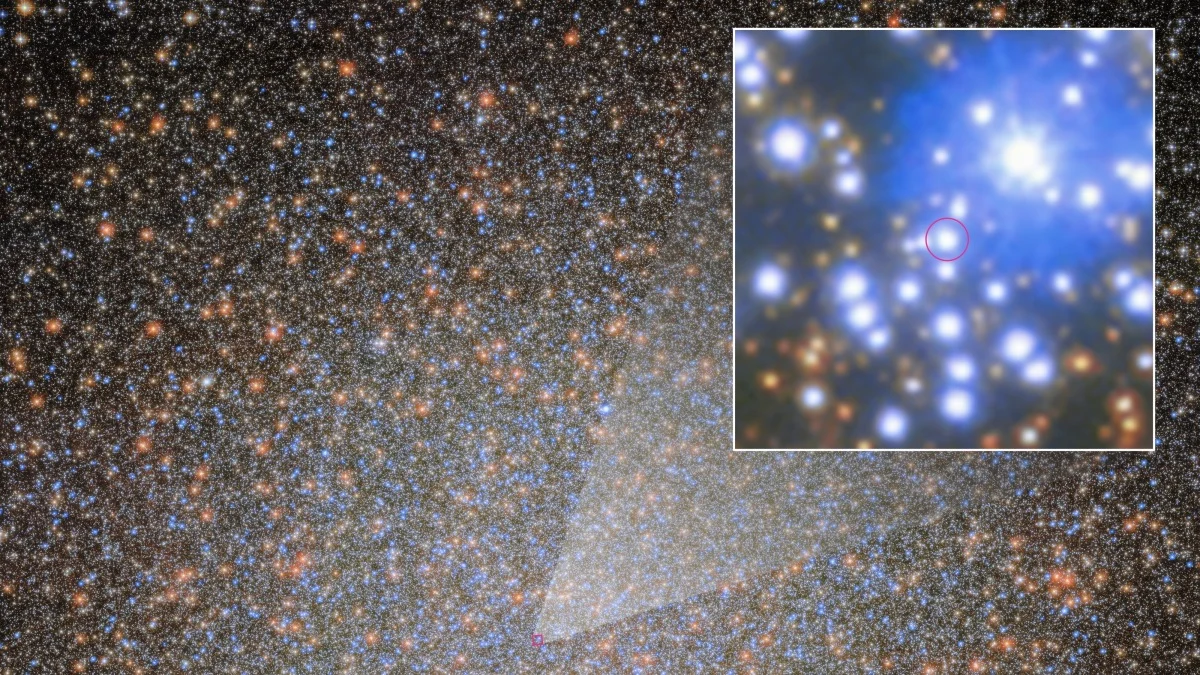
Astronomers say they've found a tiny black hole — just 4.5 times the mass of the sun — hidden inside Omega Centauri, a crowded cluster of millions of stars about 18,000 light-years away from Earth. The discovery, using observations from NASA's James Webb Space Telescope and Hubble, doesn't merely add another black hole to the census. It's a demonstration of just how precise modern astronomy has become.The black hole, dubbed oMEGACat BH-2, isn't in the middle of a feast. It isn't glowing or flashing. "The precision of these measurements is incredible, down to a fraction of a pixel on Hubble and Webb's detectors," said Matthew Whitaker, a University of Utah researcher who led the study, in a statement. "It would not have been possible to find this black hole without these two space telescopes."
Black holes like Sagittarius A*, the supermassive vortex defining the center of the Milky Way, are thought to lurk at the core of virtually all galaxies. Prior Hubble observations have bolstered the theory that these behemoths get their start in the dusty cores of starburst galaxies.