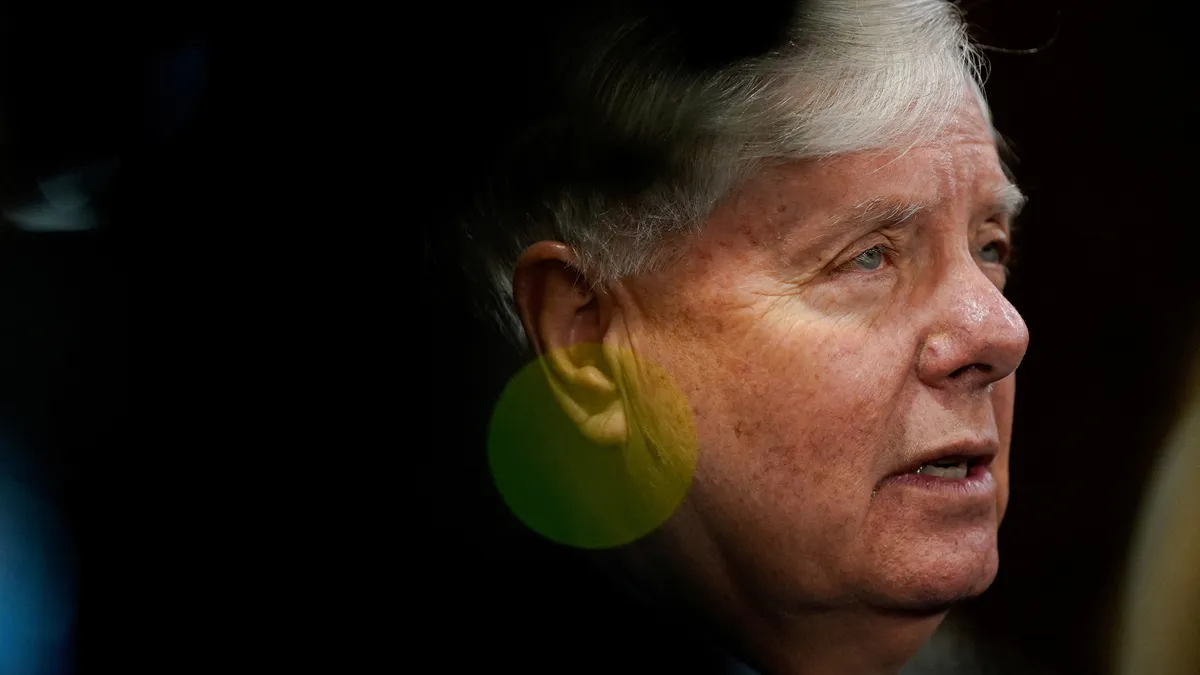
GOP lawmakers just lost arguably their most effective liaison – not only with President Trump, but also, sometimes, with Democrats.Show Caption
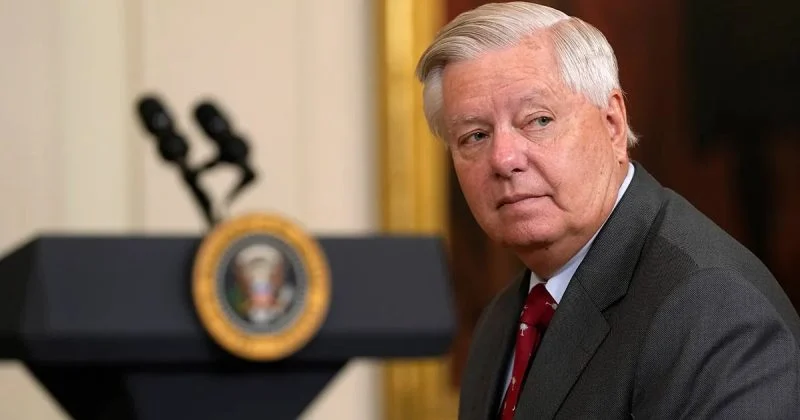
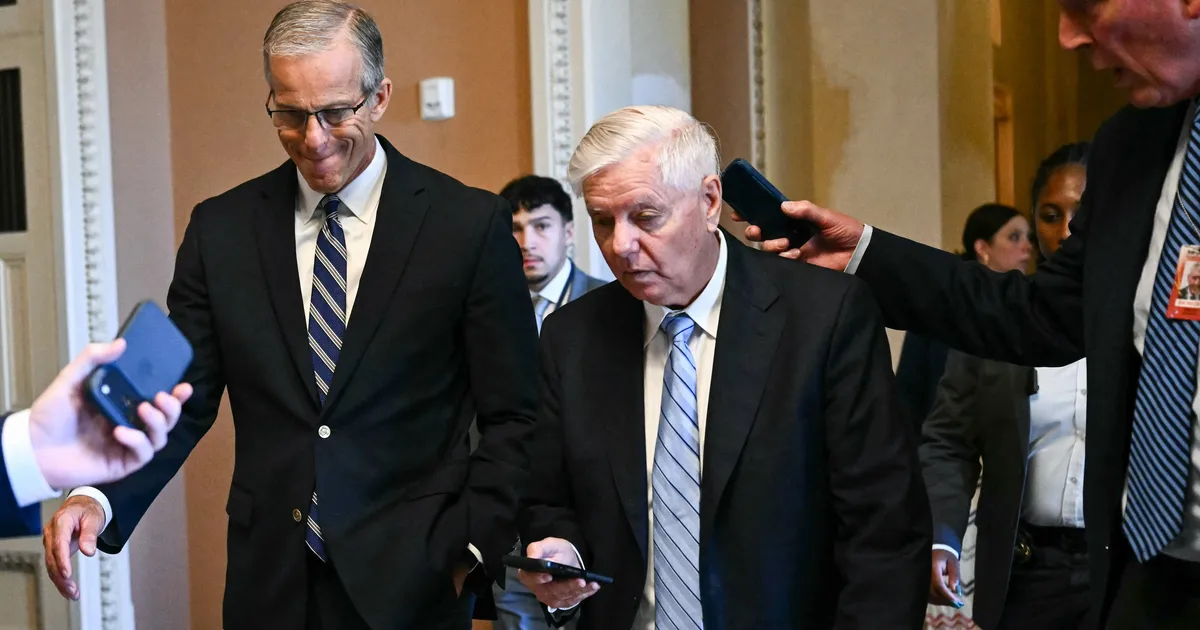
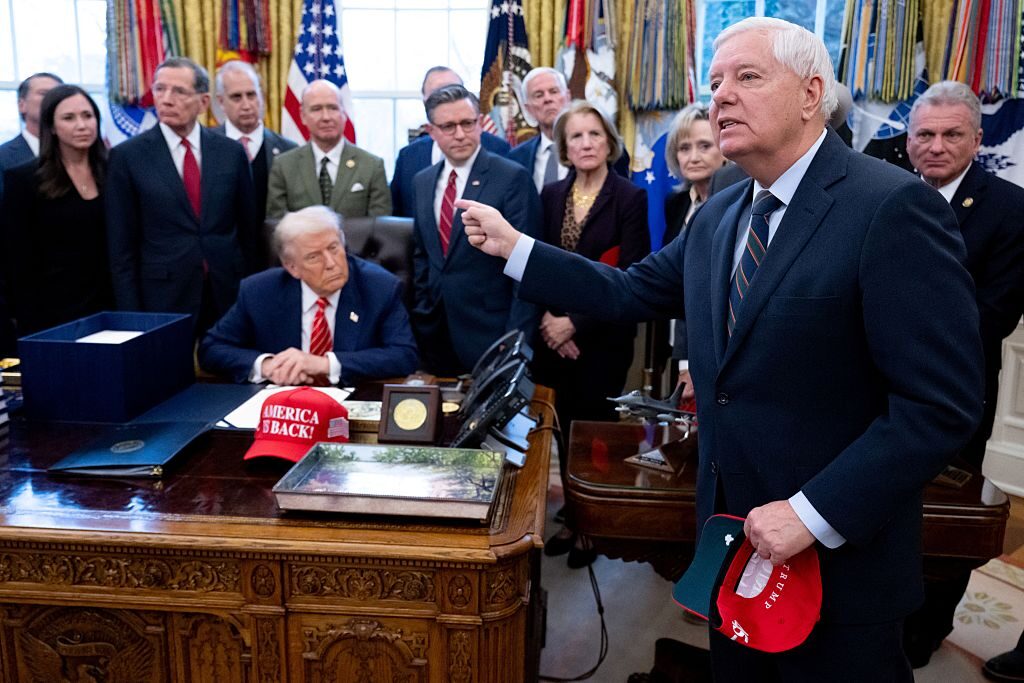
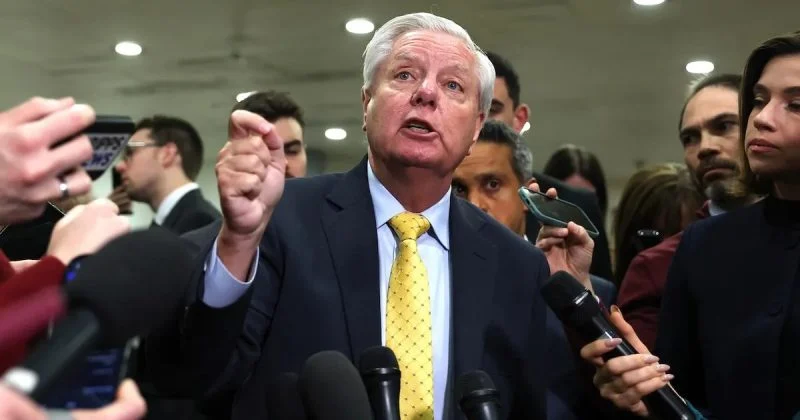
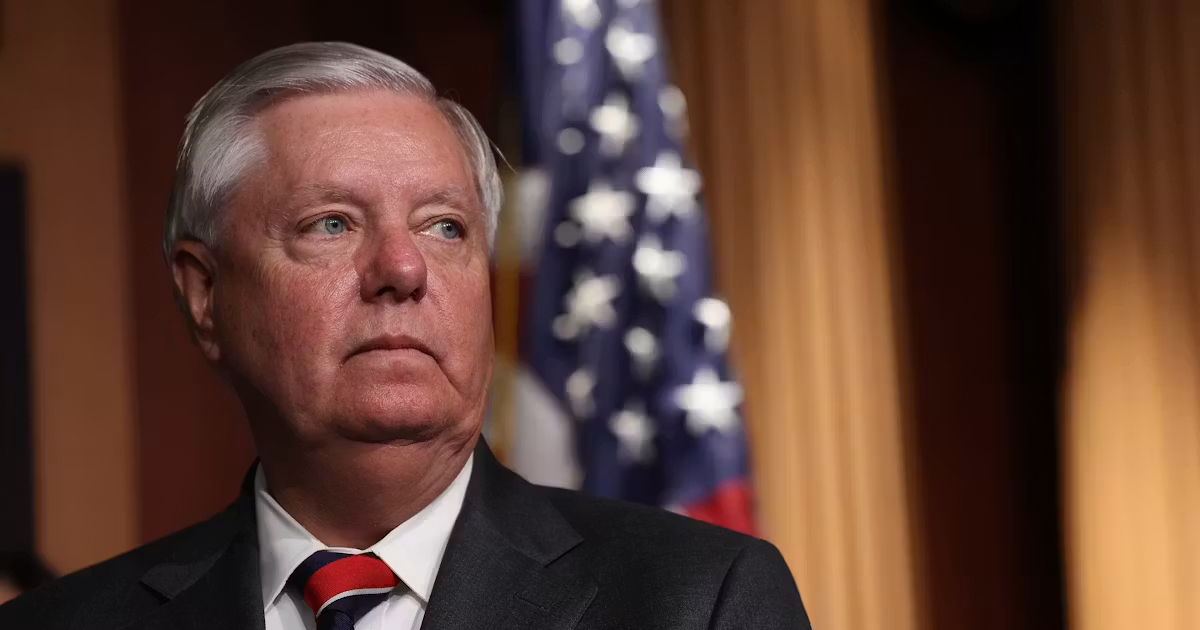
WASHINGTON – Months before they are at risk of losing full control of Capitol Hill, congressional Republicans are dealing with a lot of problems.They have a slim majority in the Senate, and an even slimmer one in the House of Representatives. They've been unable recently to pass key pieces of legislation to keep the government's wheels turning. And they're struggling to reconcile the conflicting demands of an often-unpredictable, but still dominant, party leader in President Donald Trump.When it came to handling all those dynamics, one man had long been one of the problem-solvers – Lindsey Graham.He "liked to get in the middle of everything," Sen. John Kennedy, R-Louisiana, told USA TODAY.That was until this weekend, when Graham died suddenly after a trip overseas. He passed away from a life-threatening condition caused by a tear in his heart. He was 71.The veteran South Carolina lawmaker's death, which stunned Capitol Hill friends on both sides of the aisle, came at a critical moment for congressional Republicans, especially in the Senate. With vanishingly little time to get much more done before the midterm elections, intraparty disagreements have paralyzed President Trump's agenda in Congress.The feuds – over a voting restrictions bill and border security legislation, among other things – have effectively frozen the floor agenda in the House, where GOP hardliners have become increasingly angry at more moderate Senate Republicans. Trump has turned on the Senate, too, saying a handful of GOP lawmakers are getting in the way of his most important priorities.Lindsey Graham bridged divides in CongressGraham had become an effective tool to smooth over those differences. He could appease both the MAGA crowd and Senate institutionalists. He had good working relationships with many Democrats. He also had served in both chambers of Congress and could help resolve enmity between the House and Senate.Perhaps most importantly, he was a consistent liaison between Trump, his close friend, and Capitol Hill."He was a terrific advocate on behalf of the Senate position," Senate Majority Leader John Thune said on CNN, "understanding what the president wanted to accomplish, working with him in order to do that, but also being very clear about what is and isn't achievable in the Senate.""His voice is going to be really missed in terms of the relationship that Senate Republicans have with the president and his team," Thune said.Between now and November, there's a lot on Congress' plate – including Trump's latest request that Republicans pass more Pentagon funding as the Iran war drags on.Doing it all without Graham, formerly the powerful budget chairman, won't be easy, Sen. Roger Marshall, R-Kansas, told USA TODAY."It does get more challenging," he said.Death sets off South Carolina GOP jockeyingGraham's Senate seat won't be vacant for long. South Carolina's governor, Henry McMaster, appointed his sister, Darline Graham Nordone, to serve the remainder of his term, until January 2027.The opening for the next term might create its own set of issues, though. A more permanent successor for Graham's six-year term will be chosen by a special primary election in August. Some House Republicans from the Palmetto State – Reps. Nancy Mace, Ralph Norman and Russell Fry among them – could end up running. Pamela Evette, the current lieutenant governor, is also seen as a strong contender for Graham's seat.If the House lawmakers run, campaigning-related absences could dwindle House Speaker Mike Johnson's two-vote margin. One South Carolina conservative, longtime Rep. Joe Wilson, already fielded a call over the weekend from Trump, urging him not to run for precisely that reason."I assured him my goal is to remain in the House to keep his two-vote majority for the American people," Wilson wrote on social media.Congress will be out for much of August and October, leaving only the rest of July and September to pass annual government funding bills, the annual defense policy bill, a farm bill, renew a key spy law, confirm more of Trump's Cabinet, and many more big to-do list items.A glimmer of GOP hope for more progress toward those things came on July 13, when Rep. Anna Paulina Luna, a Florida Republican who's been contributing to a weekslong freeze of the legislative agenda, said she'd help get things going again.Zachary Schermele is the congressional correspondent for USA TODAY. You can reach him by email at zschermele@usatoday.com. Follow him on X at @ZachSchermele and Bluesky at @zachschermele.bsky.social.