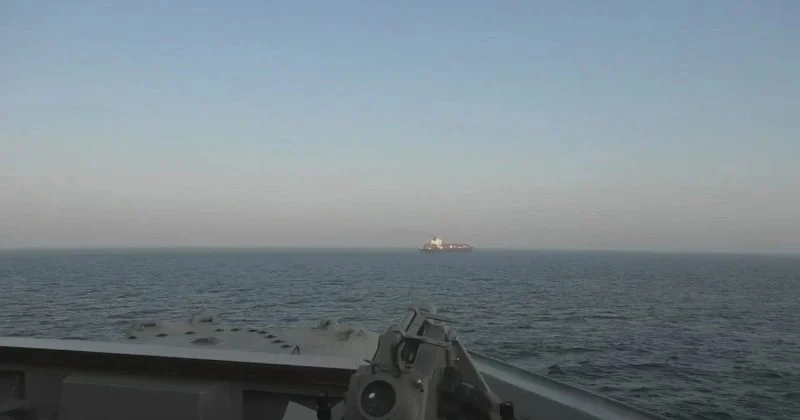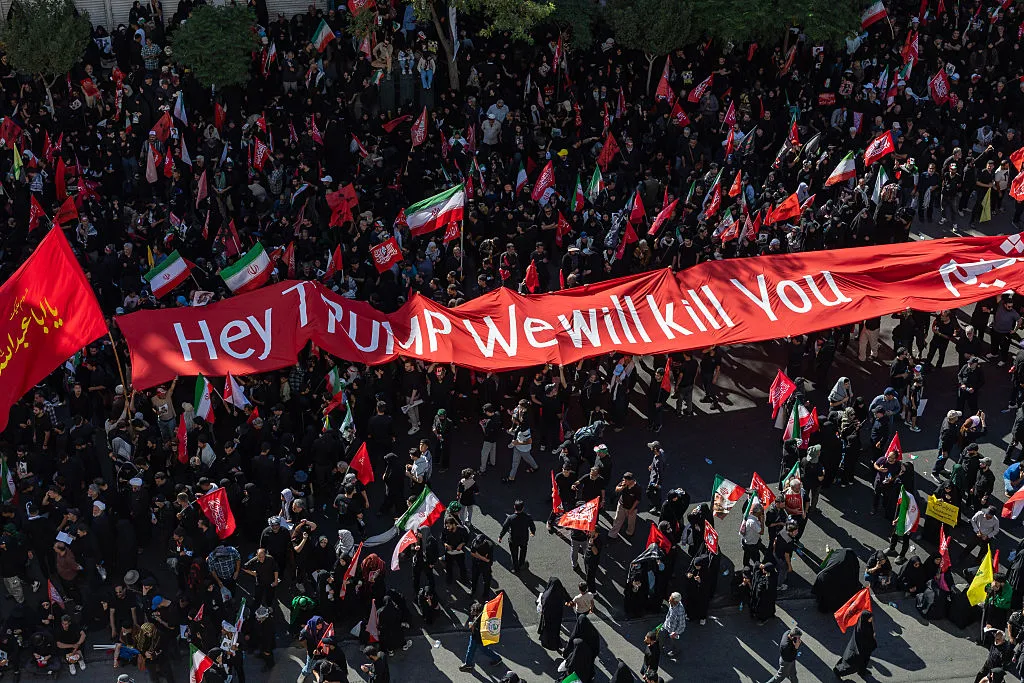
With the reimposition of the American naval blockade against Iran, the Memorandum of Understanding (MOU) between Washington and Tehran seems dead. Its demise reveals the Islamic Republic for what it has always been: an aggressive, terroristic power that has no interest in rejoining the community of nations.
The Trump administration demonstrated with the MOU that it was willing to go big on sanctions relief for Iran. As part of its terms was a General License X that permitted Iran to sell oil using dollars for the first time in decades. The US military blockade was lifted. Discussions were beginning on the unfreezing of billions of dollars in frozen or restricted Iranian assets. The document also dangled a $300 billion investment fund for economic development and reconstruction of the country as part of a final settlement.
But this outstretched American hand was met once again with an Iranian clenched fist. And not for the first time. Since 1979, the US government under multiple administrations have engaged the Islamic Republic in the hopes of improving relations. But to no avail. During the Carter administration, White House chief of staff Hamilton Jordan spearheaded secret diplomacy with Iran’s foreign minister Sadegh Ghotbzadeh over releasing American diplomats held hostage. Ghotbzadeh was later executed, and while the hostages were eventually released, Tehran continued to hunt Americans. During the Reagan administration, the White House’s entreaties to Iran over arms for hostages unraveled in scandal. In 1989, after then-president George H.W. Bush pledged ‘goodwill begets goodwill’ and appeared cautiously optimistic about Ali Akbar Hashemi Rafsanjani’s ascension to the presidency given his pragmatist tendencies, Iran responded with more support for terrorism that killed US citizens.