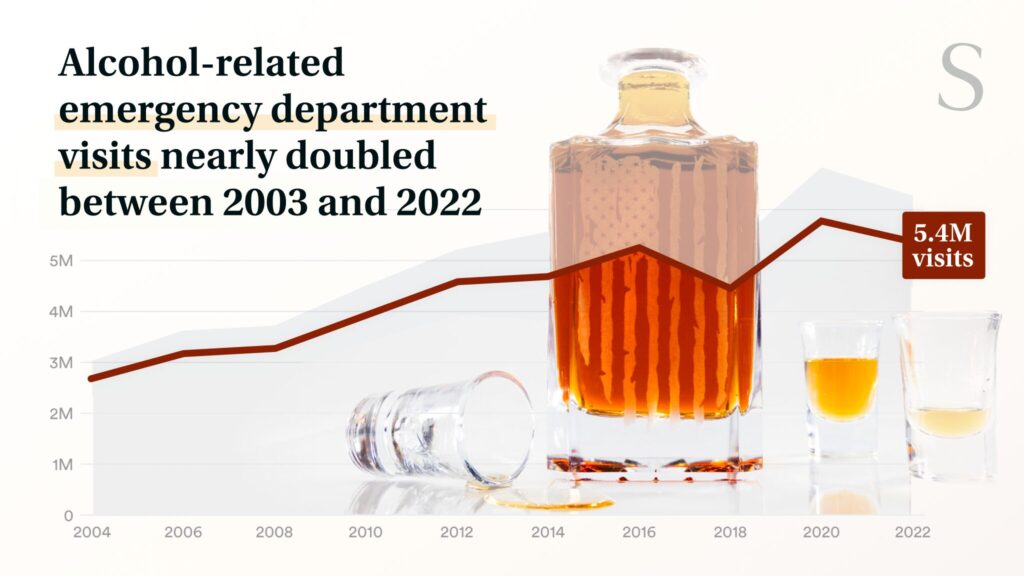
Alcohol kills more than 178,000 Americans each year. It doesn’t have to.
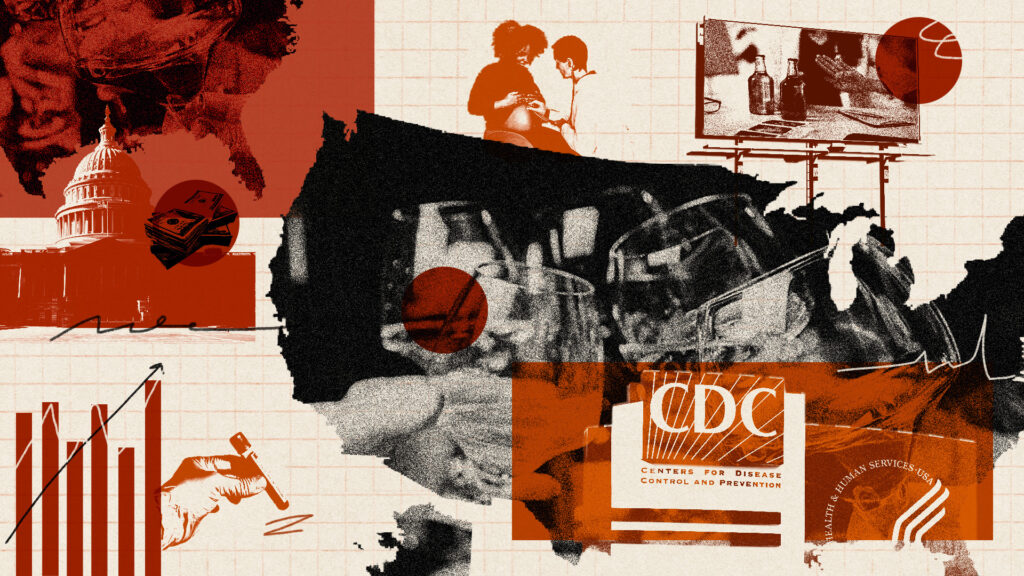
Drinking’s deadly toll in the U.S. is the result of decades of policy decisions, industry influence, and cultural inertia, as STAT shows in its investigative series, The Deadliest Drug. The U.S. has not made a concerted effort to reduce heavy drinking since Prohibition ended nearly a century ago.
The decades of societal and political indifference have been costly. Alcohol, while the driver of widespread death and illness, is often ignored in a fractured system. Screenings are inconsistent or superficial, resulting in a lack of follow-up for people with problematic drinking. Some groups, including pregnant adults and people with metabolic disease, face unique risks from inappropriate alcohol use but frequently fly under the radar. When people do get help for their drinking, it’s often fragmented and reliant on their individual ability to completely cut out alcohol.
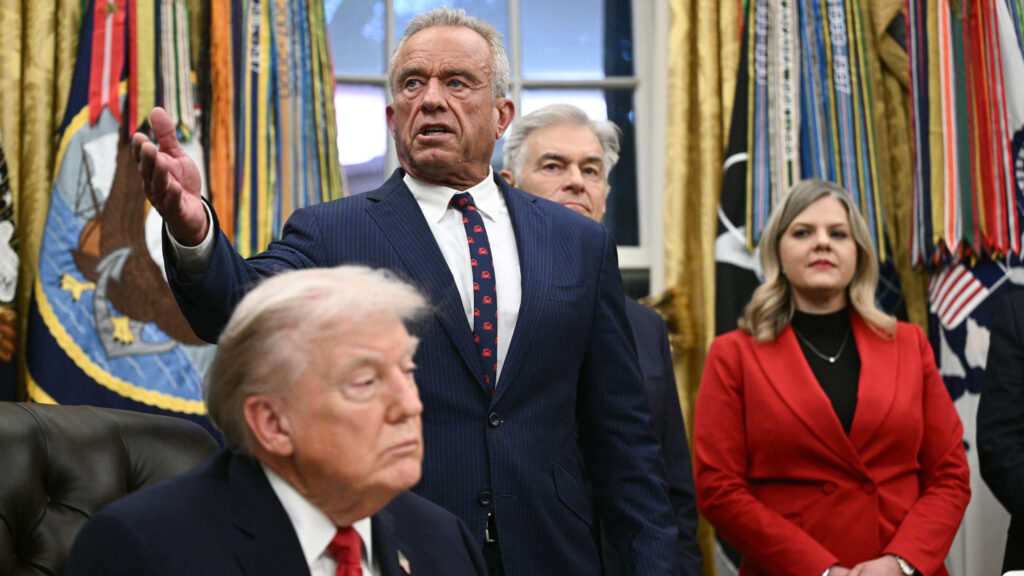
Efforts at policymaking around alcohol often fail in the U.S., where states are mostly in charge of regulating alcoholic beverages. An influential alcohol industry, which nurtures deep ties to lawmakers, charitable groups, and consumers, has kept a tight grip on regulation — at the expense of public health.