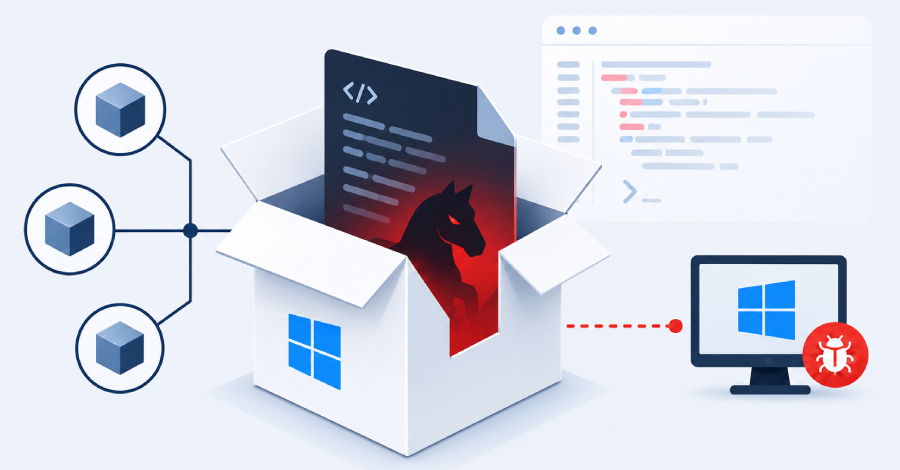
A campaign of 148 npm packages disguised as student web proxies turned visitors' browsers into a distributed denial-of-service botnet for roughly two weeks in May, according to new research from JFrog.
The packages did not go after the developers who might install them. The operators used the registry as free hosting for a booby-trapped proxy site and let the students who came to dodge school web filters supply the attack traffic.
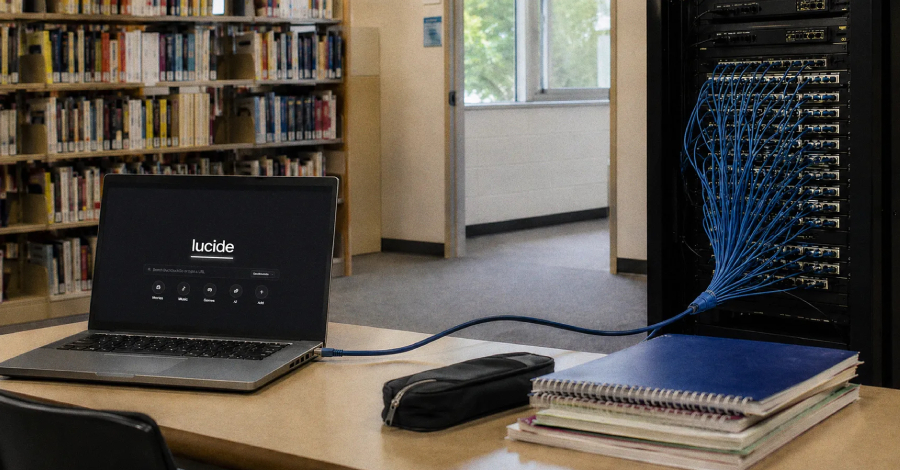
The packages shipped under names like charlie-kirk, ilovefemboys, and miguelphonk, each carrying a proxy app branded "Lucide" and dressed as a tutoring landing page called Riverbend Tutoring or Northstar Tutoring.
On the surface, the proxy worked, letting students slip past content filters to reach games and blocked sites. Underneath, it loaded a remote code loader whose payload the operators could swap at will, plus a WebSocket flood generator built to speak the Wisp proxy protocol. Anyone who opened a page joined the swarm without knowing it.
None of this runs at install time. The packages carry no lifecycle hooks and no native build scripts, and they were never written to be imported into a project.