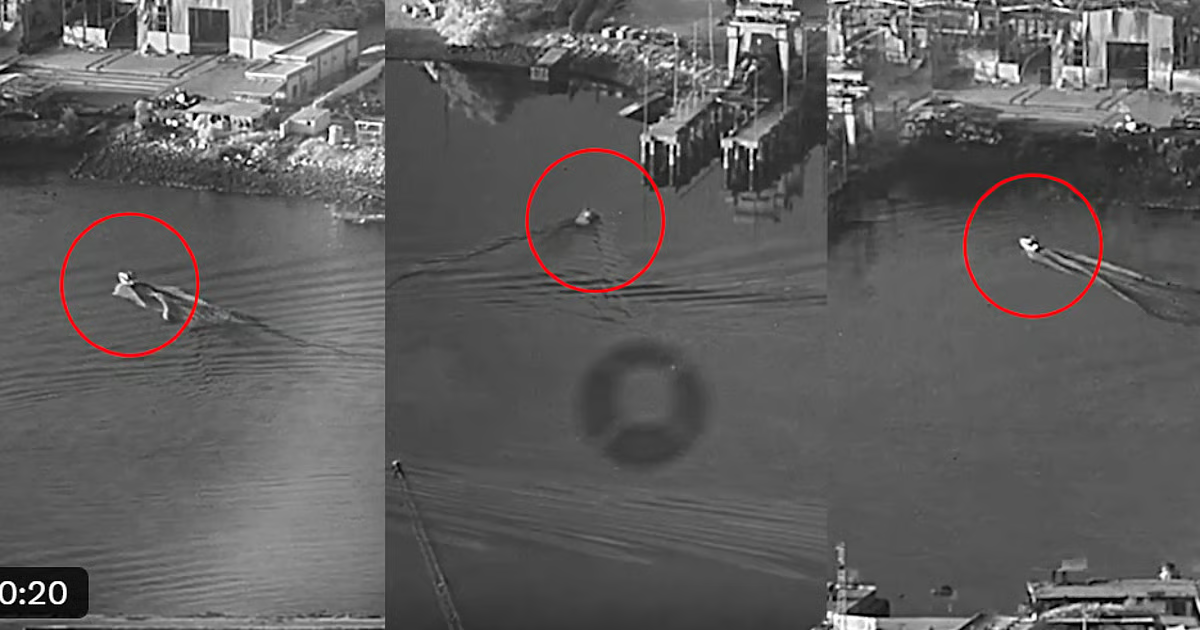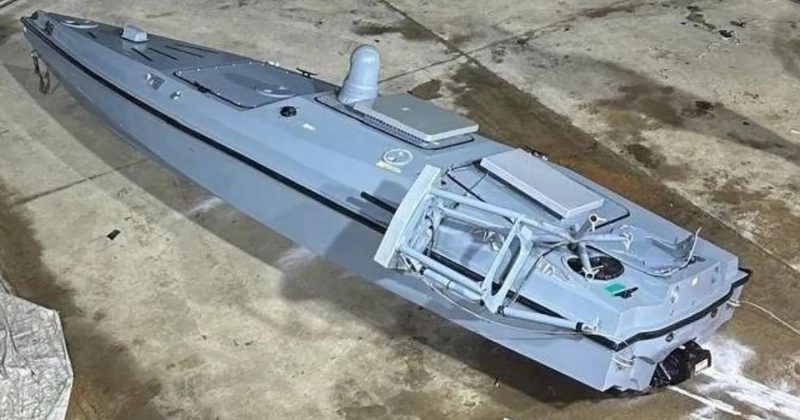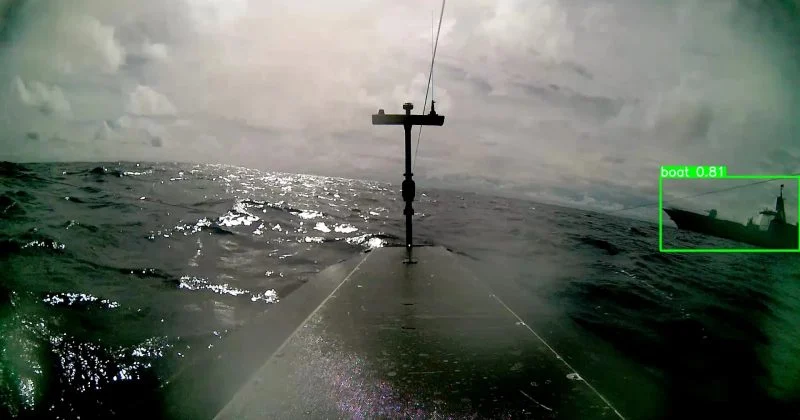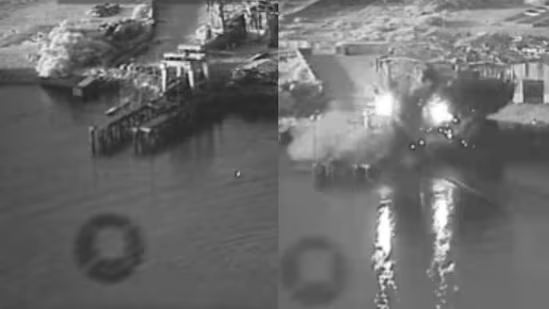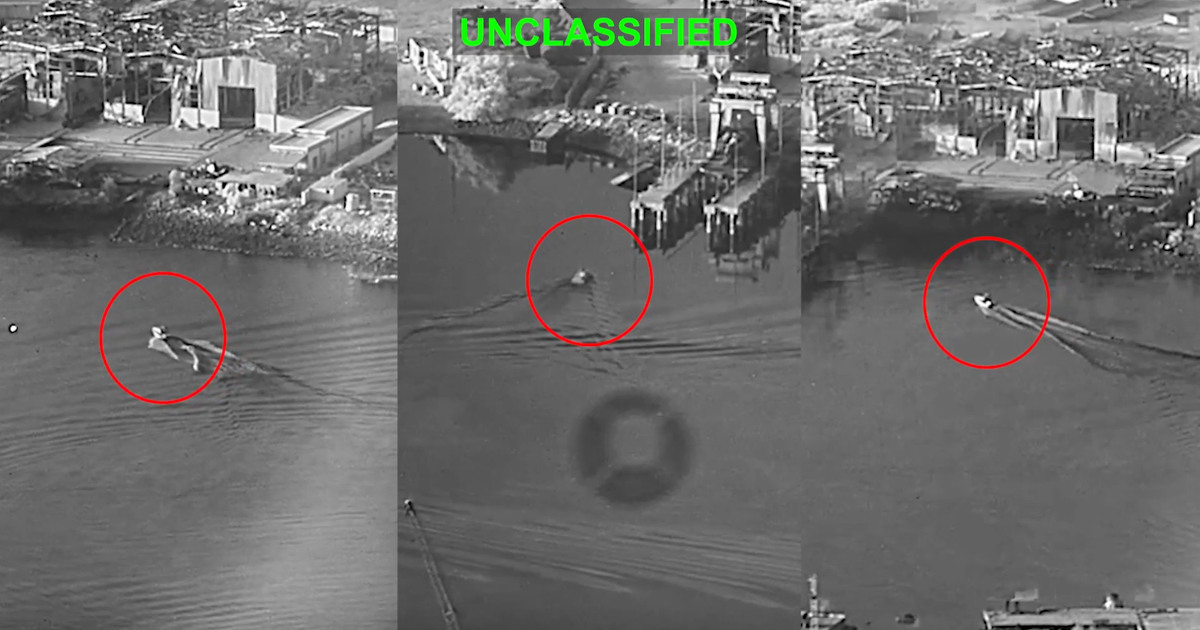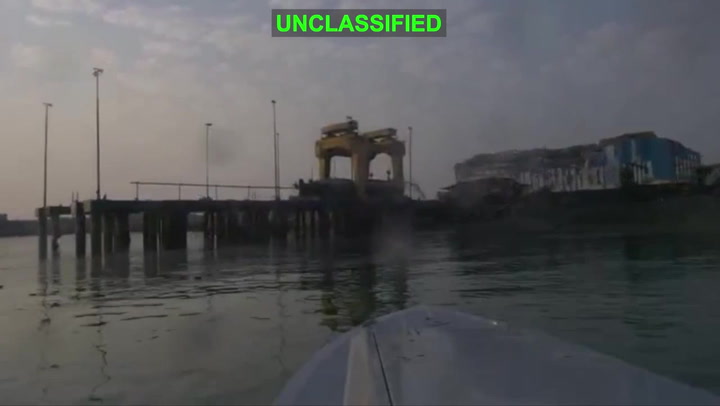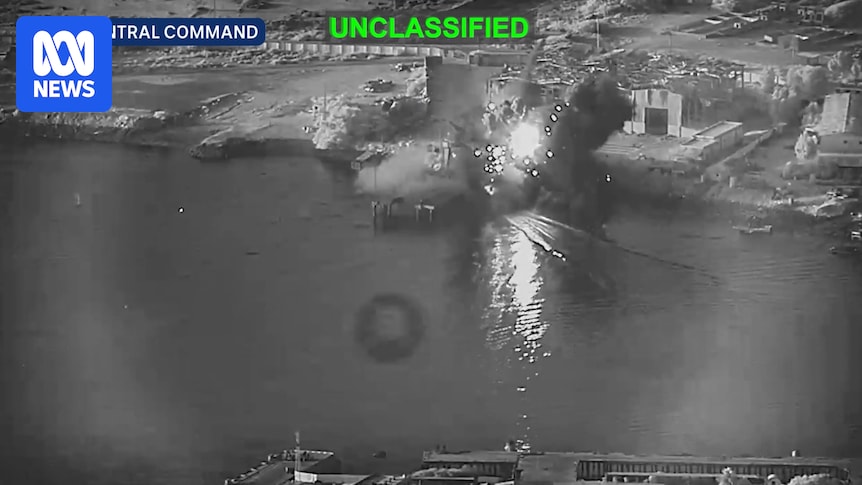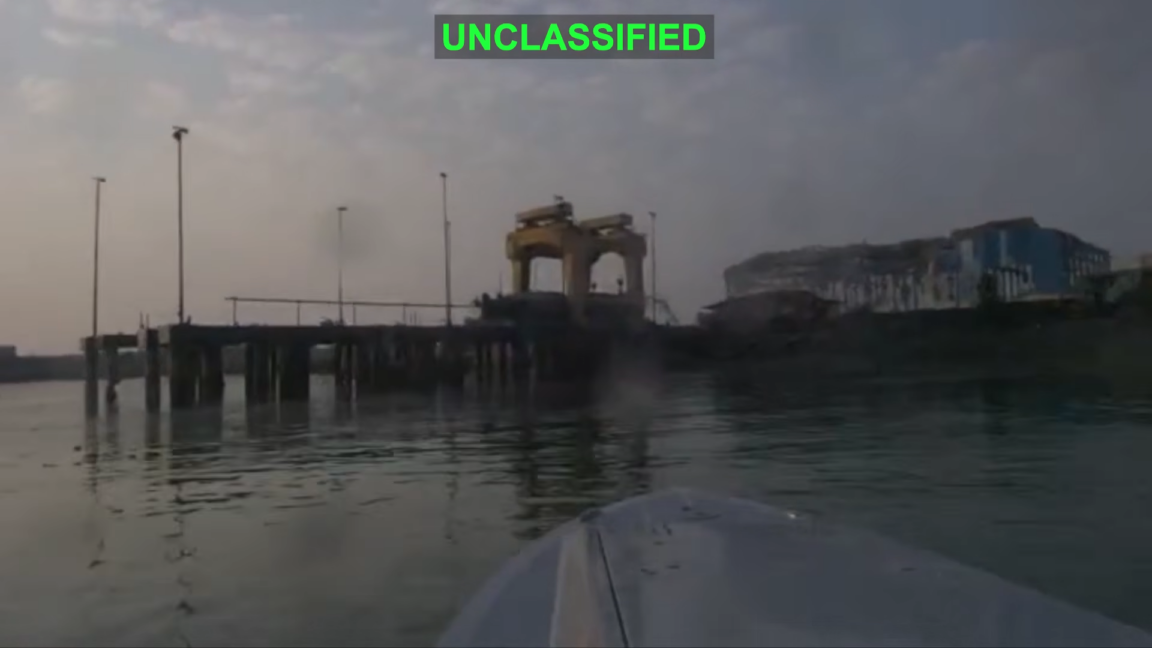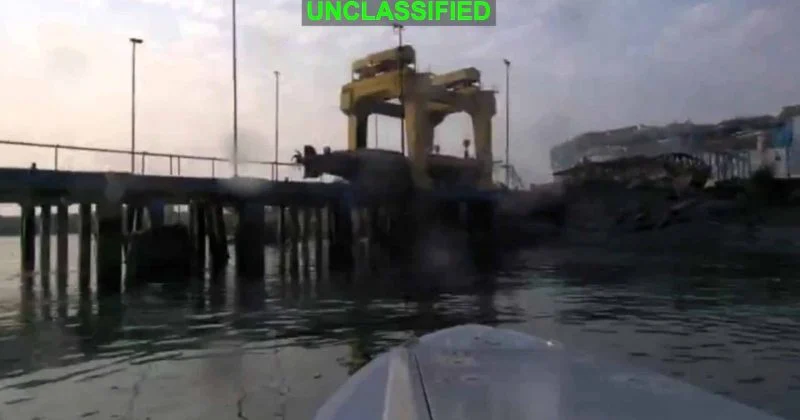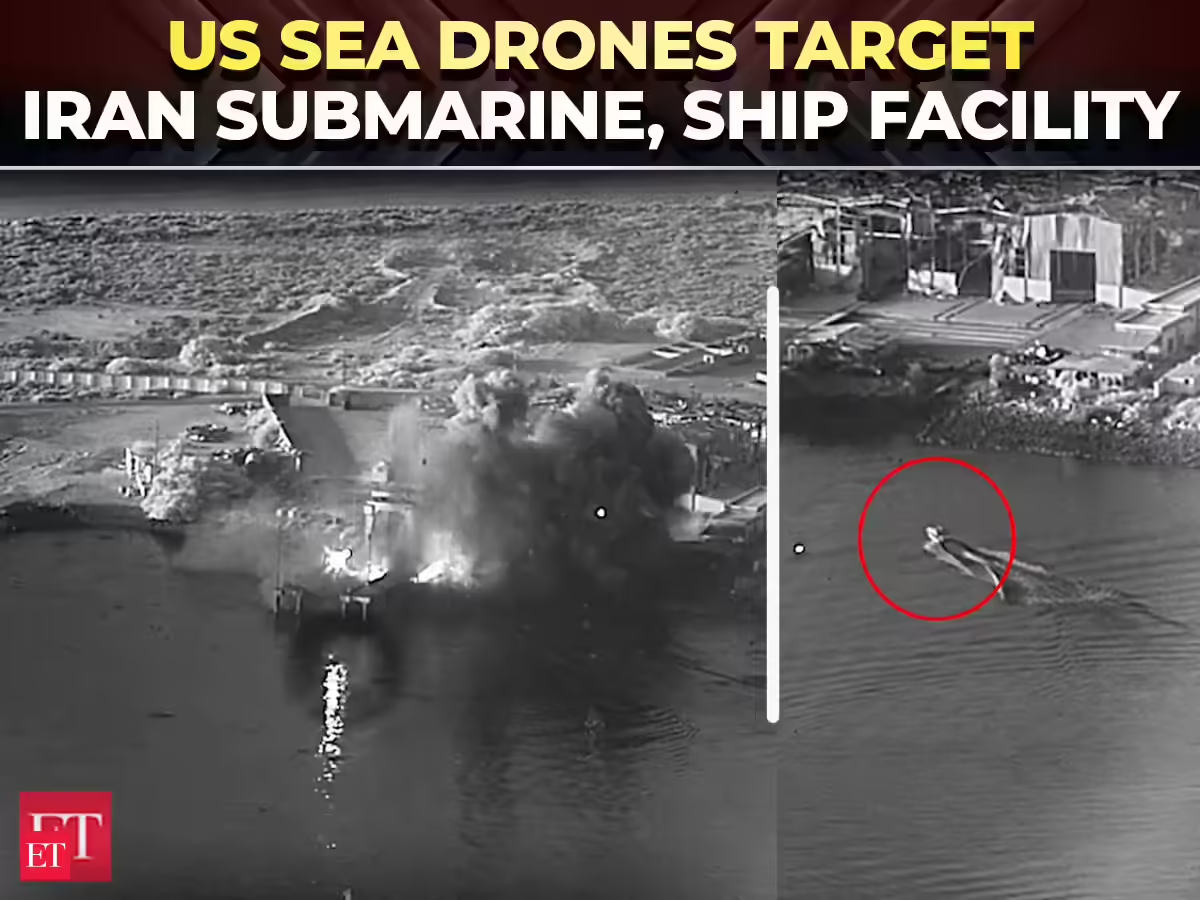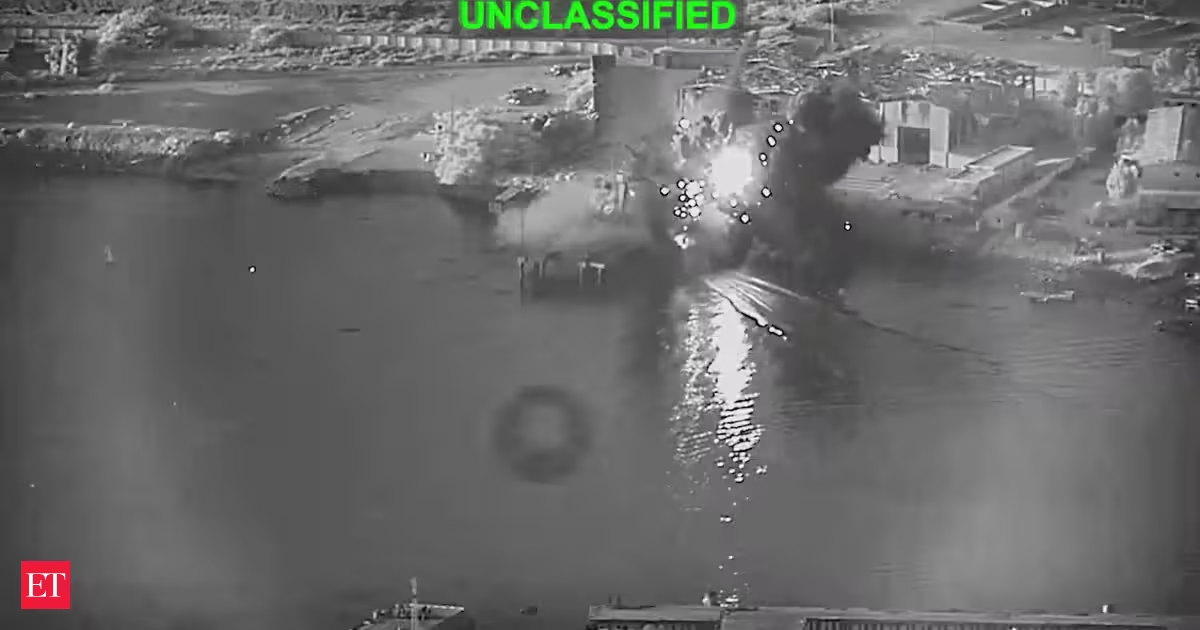
The United States has entered a new phase of naval warfare after deploying one-way attack sea drones in combat for the first time during strikes against Iran, according to a report by The Defence Blog. The historic operation saw American unmanned surface vessels used as offensive weapons, adding a new dimension to the ongoing confrontation in the Gulf region.According to The Defence Blog, US Central Command (CENTCOM) confirmed that three Saronic-built Corsair unmanned surface vessels were used to strike a submarine and ship maintenance facility at Iran’s Bandar Abbas Naval Base on July 12, marking the first time American forces have employed sea drones in combat operations.CENTCOM said the operation involved “multiple one-way attack surface drones” that successfully targeted Iranian naval infrastructure.— CENTCOM (@CENTCOM) The strike was part of a wider US military campaign aimed at reducing Iran’s ability to threaten commercial shipping in the Strait of Hormuz, a strategically important maritime corridor through which a significant portion of global energy shipments pass.What are one-way attack sea drones?One-way attack sea drones, referred to as kamikaze boats, are designed to carry out a single strike mission before being destroyed. Unlike traditional naval vessels, these systems do not require onboard crews and are built around speed, affordability and operational flexibility.According to The Defence Blog, the concept gained international attention after Ukraine successfully used unmanned surface vessels against Russia’s Black Sea Fleet. The attacks demonstrated how relatively inexpensive drone boats could threaten significantly more expensive naval assets.The US has accelerated development of similar capabilities as part of its effort to expand autonomous warfare technology, particularly amid growing concerns over future maritime conflicts.Saronic Corsair: The unmanned boat behind the operationThe drone boat used in the Iranian strike was identified by CENTCOM as the Saronic Corsair.According to The Defence Blog, the Corsair is approximately 7.3 metres (24 feet) long and can carry a payload of up to 453 kilograms (1,000 pounds). The vessel can reach speeds exceeding 35 knots (around 65 km/h) and has a reported operational range of approximately 1,852 kilometres (1,000 nautical miles).The platform is designed to operate independently or as part of a network of unmanned systems, allowing a single operator to potentially monitor multiple vessels.Saronic Technologies reportedly received a $392 million US Navy production contract in December 2024, helping accelerate the development and deployment of its autonomous maritime platforms.From rescue missions to offensive operationsBefore being used as a weapon, the Corsair had already been deployed in operational roles in the Middle East.The Defence Blog reported that on June 8, 2026, a Corsair operated by Task Force 59, the US Navy unit responsible for integrating unmanned systems and artificial intelligence, was involved in the rescue of two US Army aviators after an AH-64 Apache helicopter went down near Oman.That mission marked one of the first known uses of an unmanned military vessel for personnel recovery at sea.However, the Iran operation represented a major transition, moving the platform from surveillance, support and rescue roles into direct offensive combat.
Watch how US deploys sea drones in combat for first time as Iran conflict enters dangerous new phase: What are these unmanned attack boats?
America has deployed one-way attack sea drones in combat for the first time. These unmanned vessels struck an Iranian naval facility at Bandar Abbas Naval Base. The operation aimed to reduce Iran's threat to commercial shipping in the Strait of Hormuz. These kamikaze boats are designed for single strike missions and are relatively inexpensive.
495 words~2 min read