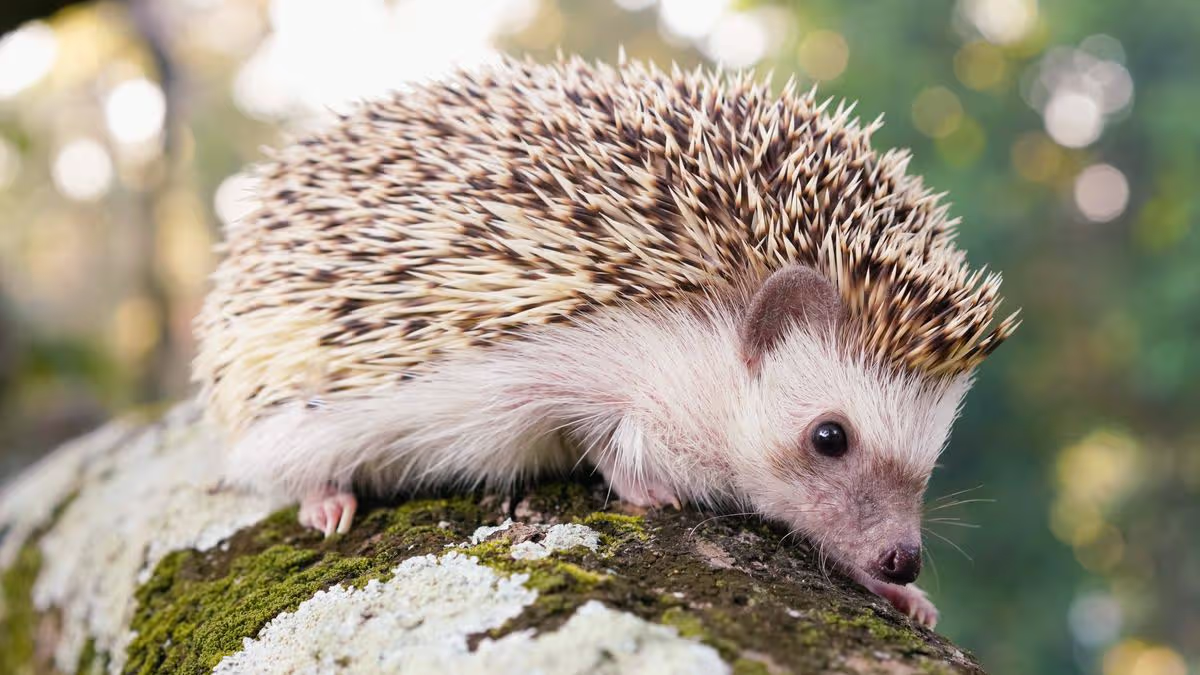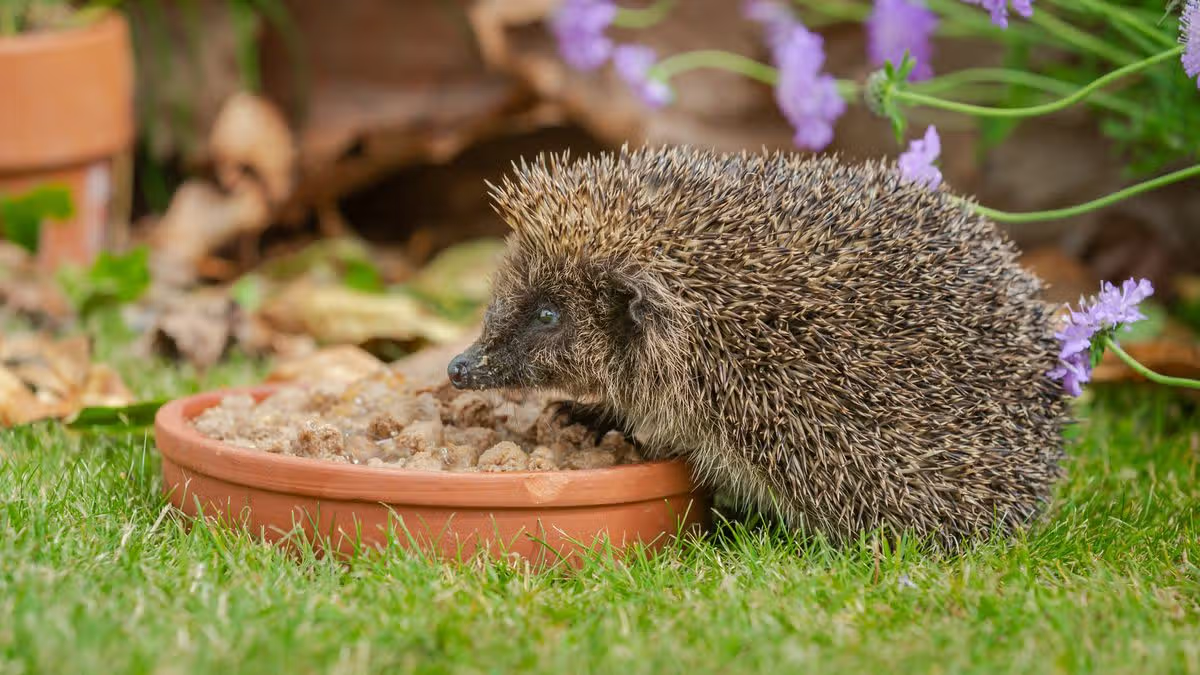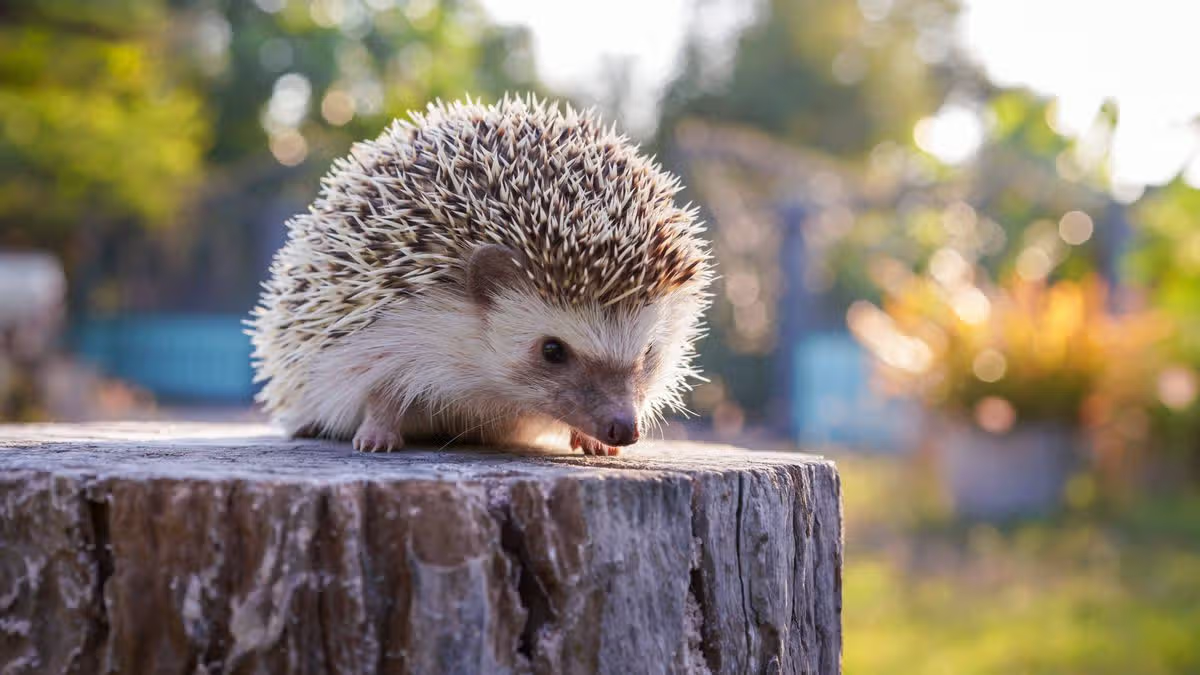
The Hedgehog Preservation Society has issued a warning to Brits about their gardens, which could be deadly to hedgehogs - especially during the summer heatwave08:18, 14 Jul 2026Hedgehogs are one of the creatures gardeners love to welcome into their open spaces.Not only are they absolutely adorable with their night-time wanderings, they're also absolutely crucial when it comes to pest control.The spiky little mammals love nothing more than hoovering up pesky slugs on their nocturnal strolls around the back gardens of Britain - but gardeners could be risking their safety if they don't make sure they do one thing.Dangers lurking in our gardens for these loveable creatures can include something rather surprising — the netting used to protect your vegetable crops.The Hedgehog Preservation Society explained: "Hedgehogs can become entangled in tennis and other nets, causing death by starvation. Roll up nets well above ground when not in use. Keep pea netting 22-30cm (9-12") off the ground so hedgehogs can pass safely underneath them and plants will grow up to the netting. Legs can also be caught in the gaps between logs in rolls of log edging."Another crucial tip for keeping our gardens as safe as possible for our nocturnal visitors — clear up as you work.The experts at the Hedgehog Preservation Society added: "When tidying the garden, take care when moving piles of leaves and other garden rubbish as these are ideal places for a hedgehog to make its nest. ". "Hedgehogs are inquisitive and will try to eat almost anything, a trait that can be harmful to them. Having been attracted by the remaining contents, hedgehogs have been found with their heads stuck in tins, yoghurt pots and plastic cups.Always cut the plastic rings of "4 and 6 pack" holders and elastic on your facemasks. To prevent such unnecessary deaths, litter should be disposed of in a proper manner."There's plenty we can do to make life more bearable for the creatures we share our outdoor spaces with, such as ensuring there's a reliable water source available for both our feathered and furry (or spiky) visitors.However, the Hedgehog Preservation Society is urging Brits never to leave one particular item out in their gardens, as it could prove fatal to hedgehogs — regardless of how hot it gets or whether you've spotted hoglets nearby. That item is milk.The charity explained: "Never offer milk as this can upset their tummies.", reports Wales Online.There's another important consideration Brits need to be mindful of when it comes to safeguarding hedgehogs — specifically, the methods used to tackle other garden pests.The Hedgehog Preservation Society explained: "These are poisonous and should not be used. If absolutely necessary, pellets should be placed in a pipe or under a slate that hedgehogs cannot get to. Dead slugs must be removed daily. Since April 2022 it has been illegal to use or sell metaldehyde slug pellets in the UK. Use other garden pesticides sparingly, or better still not at all; you never know what else they might kill or make sick. Always try alternative methods."So what should we be offering these very welcome garden visitors?Fortunately, hedgehogs are remarkably straightforward to feed.The Hedgehog Preservation Society said: "Hedgehogs are certainly noisy eaters as people who have encountered these animals 'at table' will testify; but what do they actually eat? . Studies have shown that hedgehogs mostly eat a wide range of invertebrates, with beetles, caterpillars and earthworms being particularly important but also slugs and many kinds of insects such as earwigs, bugs, grasshoppers and fly larvae."The diet varies seasonally and in different habitats. Hedgehogs may also catch and eat small vertebrates and will also scavenge.. Many people put out a saucer of meat-based pet food for their garden friends. The hedgehog will treat this as a welcome supplement to its normal diet and will not go hungry if, for some reason, the food is not put out. Always make sure that a dish of water is available especially during the summer months or in extreme weather conditions."However, there's one essential task all gardeners must remember when feeding our nocturnal visitors — ensuring the bowls they eat from are kept clean.Article continues belowThe charity said: "Clean dishes each morning using warm soapy water or a suitable disinfectant. Make sure you rinse any disinfectant off thoroughly and always allow dishes to air-dry completely before adding food. Brushes and equipment used to clean food and water dishes shouldn't be used for other purposes. Rubber gloves should be worn and hands washed afterwards."
Gardeners told they could be threatening hedgehogs by failing to do key act
The Hedgehog Preservation Society has issued a warning to Brits about their gardens, which could be deadly to hedgehogs - especially during the summer heatwave
747 words~3 min read