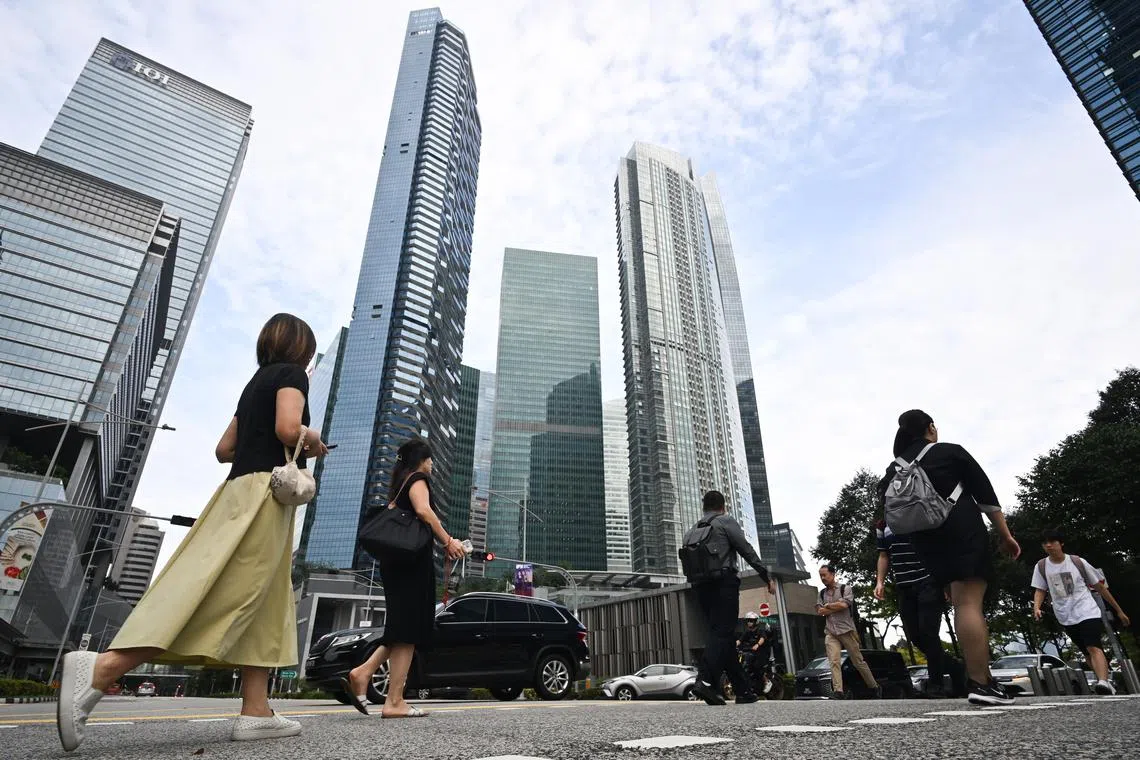
SINGAPORE – A national year-long reading initiative to boost critical evaluation skills has been launched to help Singaporeans better distinguish between facts and AI-generated misinformation.This comes after a poll of 1,150 professionals, managers, executives, and technicians (PMETs) in Singapore revealed that only two in five expressed confidence in telling AI-generated misinformation apart from truths.The poll was conducted in June and July by the National Library Board and professional services firm KPMG.The same poll also found that only two in five respondents would check the original source of a statistic cited by AI-generated summaries in search engines or in news articles, before forming an opinion on a topic.These findings are a reminder that Singaporeans may still accept content they read too readily, even with the knowledge that it might be incomplete or generated by artificial intelligence, said Rahayu Mahzam, Minister of State at the Ministry of Digital Development and Information, at the launch of Read to Lead: Building an AI-Ready Mind on July 14.The event, held at the public foyer of Asia Square in Shenton Way, featured pop-up carts of mystery books, wrapped to hide the cover, author and synopsis.Passers-by and office workers picked up these books during their lunch break on July 14, and are allowed to borrow the physical copies or via the NLB app.“The year-long initiative by KPMG and NLB promotes the culture of reading in the workplace, and strengthens PMETs’ capabilities in AI, information literacy, and digital literacy,” said Rahayu, adding that reading helps workers to slow down when overwhelmed by information.“It helps us gain knowledge, widen our perspectives, and train our minds to focus.”Panel discussions, interactive quizzes will also be held at Asia Square, KPMG Clubhouse, and the National Library Building between July 14 and 16.As part of the initiative, KPMG and NLB will also be co-developing an educational toolkit on AI and strategies to counter misinformation to help PMETs and businesses. Talks held by experts in the field on AI literacy and trusted practices will also be held across NLB libraries, with more information expected at a later date.Reading slowly while reflecting on how the information links to our own experiences is key to developing critical reading skills, said editor of RSIS Publications at the S. Rajaratnam School of International Studies Warren Fernandez during a moderated discussion at the launch event.Though many often read quickly to just absorb information efficiently, effort must be made to challenge the truthfulness of the content and the conveyer of the information, said Fernandez, who also serves as the head of the National Security Studies Programme at RSIS.He added: “In that process of interrogating the author, you will form your own thoughts and reflect on things that you yourself know, and that’s what makes you special...AI cannot tell you what to think. It cannot tell you what to believe.”“As organisations grapple with AI adoption, we must not focus only on efficiency and productivity - many workers want to know how technology will help them do better, more meaningful work, and not leave them behind,” said Rahayu, adding that this requires investment in human cognition, self-management and adaptability.“I hope (the initiative) sparks a broader movement across the corporate sector to build not only AI capability, but also the human capabilities that will help Singaporeans thrive.”
Three in five S’pore PMETs not confident in identifying AI-generated misinformation: Poll
The poll also found that only two in five respondents would check the original source of a statistic, before forming an opinion. Read more at straitstimes.com. Read more at straitstimes.com.
544 words~2 min read