With questions surrounding Belarus and China, what will the foreign policy of the upcoming Social Democrat government look like?
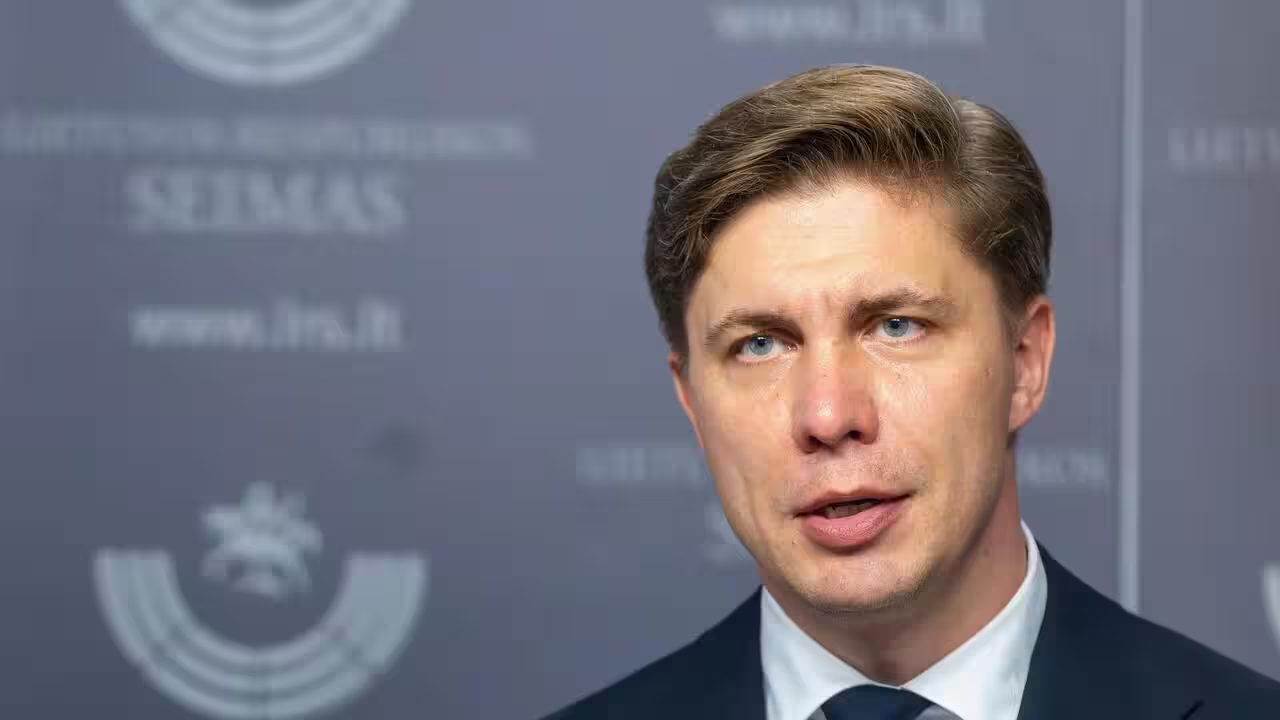
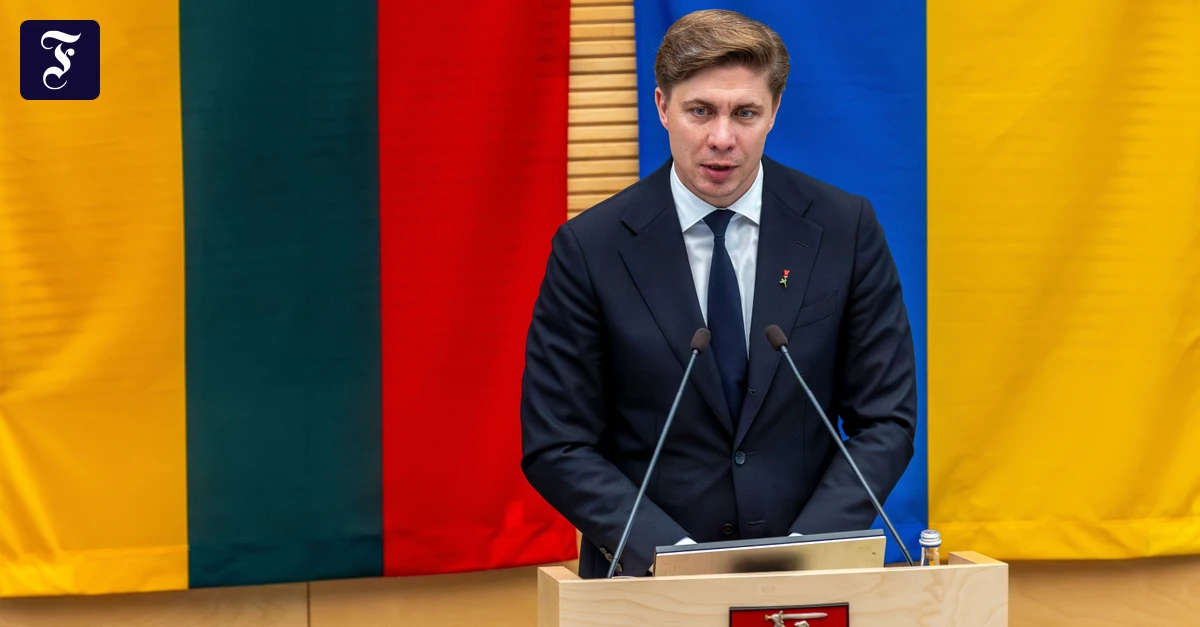
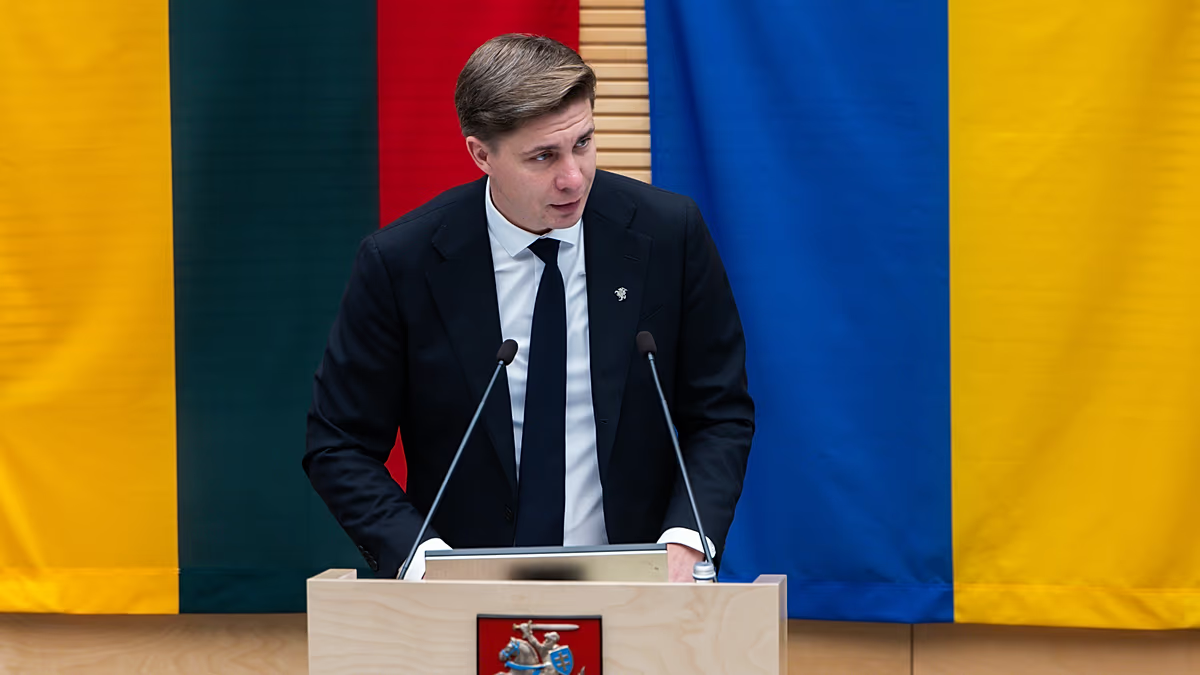
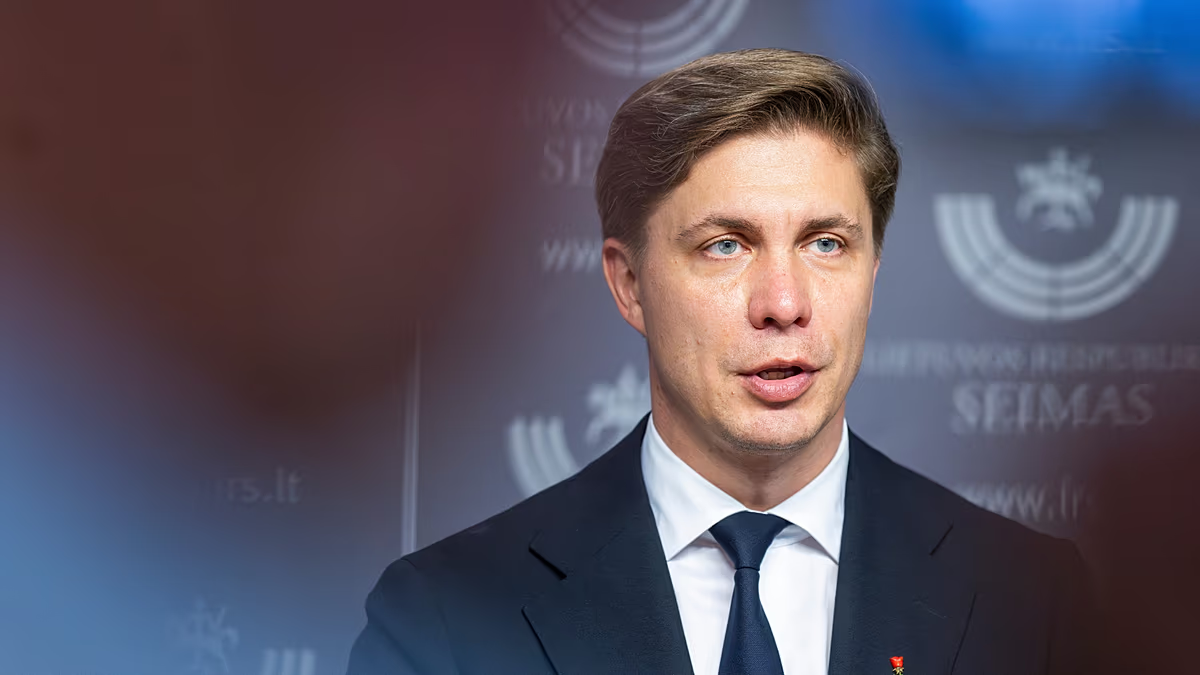
Prime Minister-designate Mindaugas Sinkevičius devoted little attention to foreign policy when presenting his government's programme to parliament, focusing instead on domestic priorities.
"This government programme is clearly socially oriented. It focuses on families, social affairs and social support. In a way, it seeks to introduce the European social model," Sinkevičius said.Addressing MPs, he described internal social division and growing radicalisation as the greatest threat facing the country, distancing the social democrats from the security-focused rhetoric commonly used by the opposition.At the same time, there is little sign of any major shift in the foreign policy of Lithuania's 21st government. Broadly speaking, it maintains the country's established course."Stability in foreign policy is a value that contributes to both national security and prosperity," said former foreign minister Antanas Valionis. "I believe our defence capabilities will continue to grow, and financial commitments will remain in place."
The programme identifies strengthening security and promoting economic growth as its main priorities. That includes maintaining Lithuania's commitments to NATO, spending at least 5% of GDP on defence and continuing the policy of ensuring defence procurement also benefits the domestic economy.The programme also envisages a safer, more united Europe, while maintaining strategic partnerships with Germany, Poland and the Nordic countries. These have all been consistent features of Lithuanian foreign policy in recent years.Globally, Lithuania's partnerships extend in several directions. The United States is changing, and European countries are finding it increasingly difficult to identify common ground with President Donald Trump's administration.Previous diplomatic efforts by Lithuanian officials in Washington may no longer produce the same results.Elsewhere, Lithuania continues to pursue closer ties with countries in the Indo-Pacific region. Ministerial visits across the region reflect efforts not only to introduce Lithuania but also to identify areas of shared interest.However, more significant changes are foreseen in the China direction.