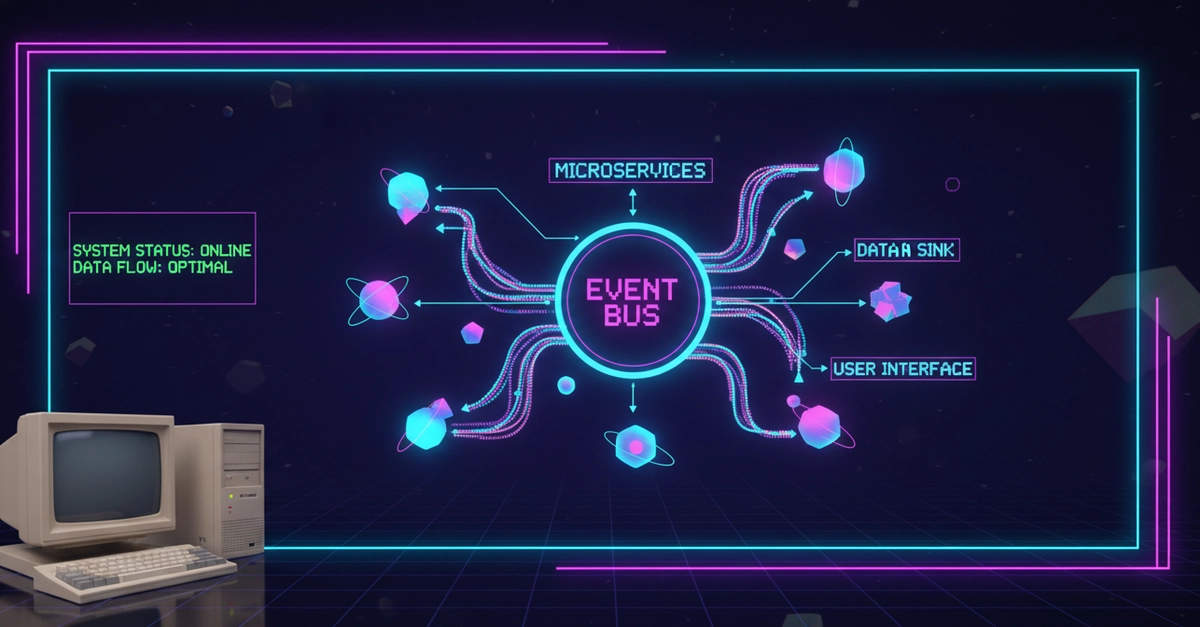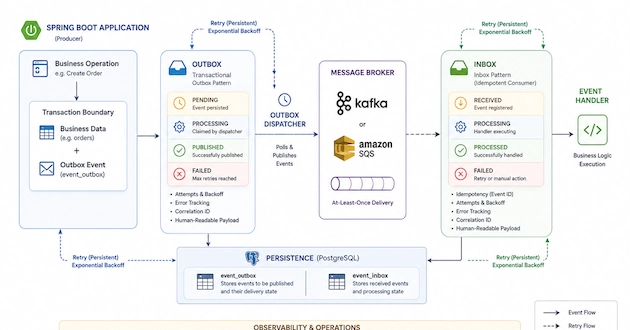
As part-1 of a multi-part series, in this article we'll explore why and where event-driven systems fail and foundational concepts.
Distributed systems have become considerably easier to build than they were a decade ago. Modern frameworks allow us to publish events with only a few lines of code, cloud platforms provide fully managed messaging services, and frameworks like Spring Boot makes asynchronous communication feel almost effortless. Because of this, many teams successfully adopt event-driven architectures. Unfortunately, publishing events is usually the easiest part of the journey.
Designing events that remain reliable for years is considerably more difficult. Most production problems in event-driven systems are rarely caused by the messaging infrastructure itself. Instead, they originate from architectural questions such as:
What information an event should contain?
Whether an event schema can evolve without breaking existing consumers?