If you've been building software long enough, you've probably hit a wall with tightly coupled systems — where changing one service means touching five others. That's exactly the problem event-driven architecture was built to solve. It's a design paradigm that decouples services by having them communicate through events rather than direct calls, and it's become a cornerstone of scalable, modern backend systems. Whether you're designing microservices, real-time pipelines, or distributed workflows, understanding when and how to use event-driven architecture can fundamentally change how you build software.
What Is Event-Driven Architecture?
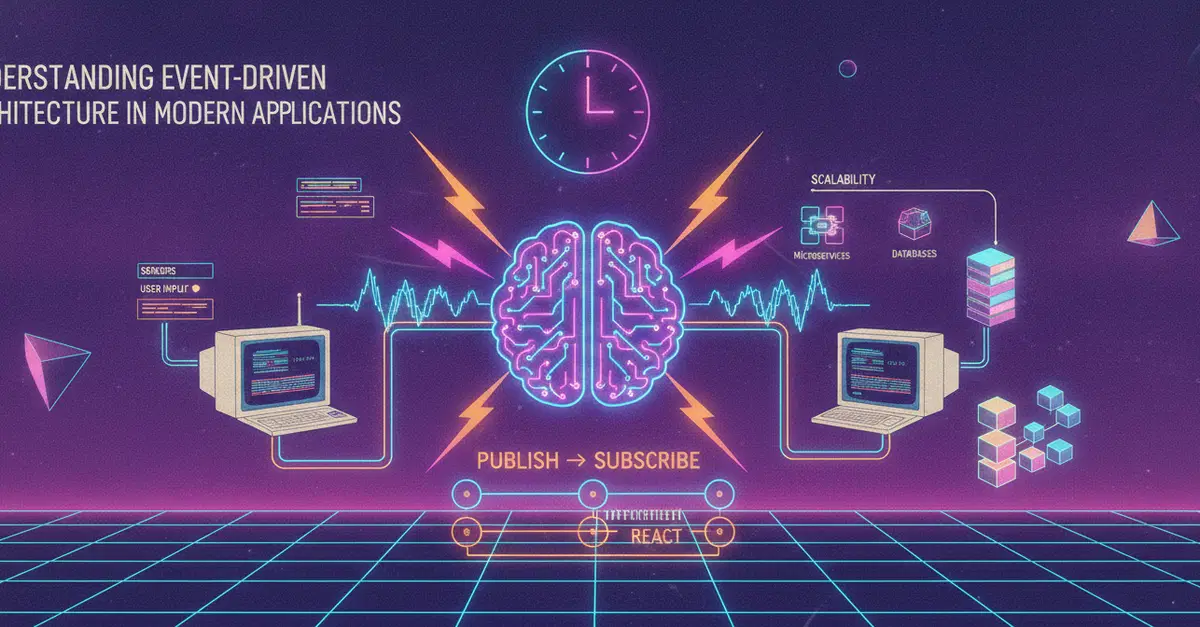
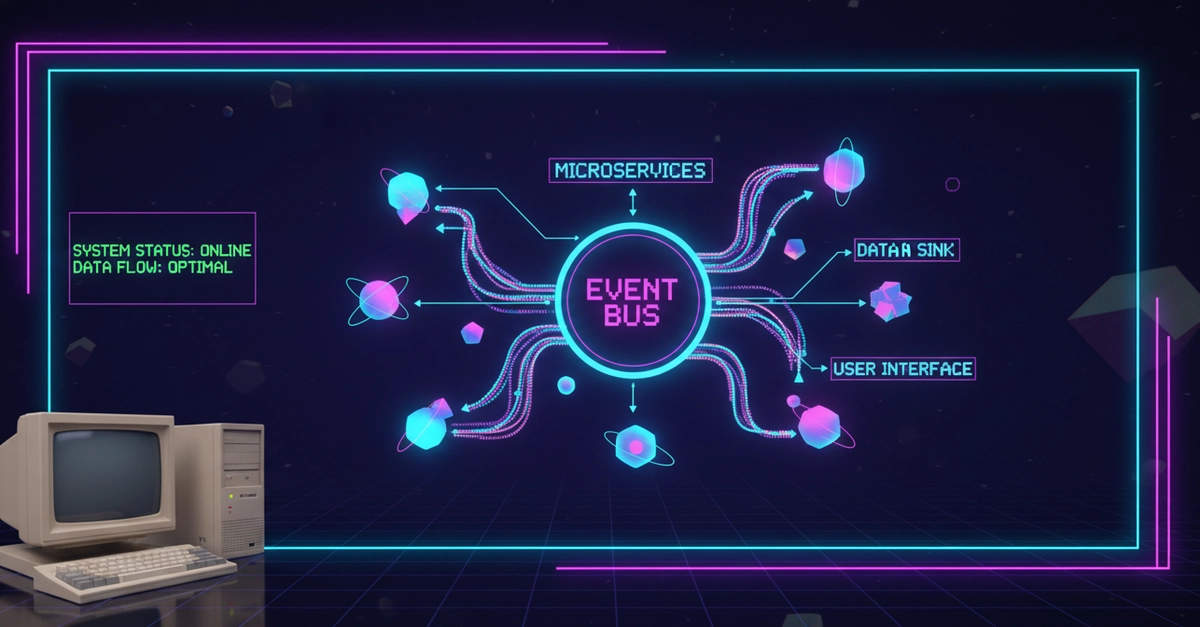
At its core, event-driven architecture (EDA) is a pattern where components in a system communicate by producing and consuming events. An event is simply a record of something that happened — a user signed up, an order was placed, a payment failed. Instead of Service A calling Service B directly and waiting for a response, Service A emits an event to a central broker. Service B (and any other interested service) listens for that event and reacts accordingly.
This shifts the system from a request-response model to a publish-subscribe model. The producer doesn't know — or care — who's consuming its events. That ignorance is intentional, and it's what gives EDA its power. Services become loosely coupled, independently deployable, and easier to scale in isolation.