In partnership withSAP
Event-driven architecture (EDA) offers a scalable, resilient foundation for real-time decision-making, ultimately helping organizations shift from reactive to proactive business operations.
In Belgium's Flanders region, 600,000 smart meters watch every drop of water flowing through homes and businesses. When a meter spots trouble—say, three liters trickling away every hour for three straight days—it instantly triggers an alert. A letter lands in that customer's mailbox the next day, warning them about the hidden leak.
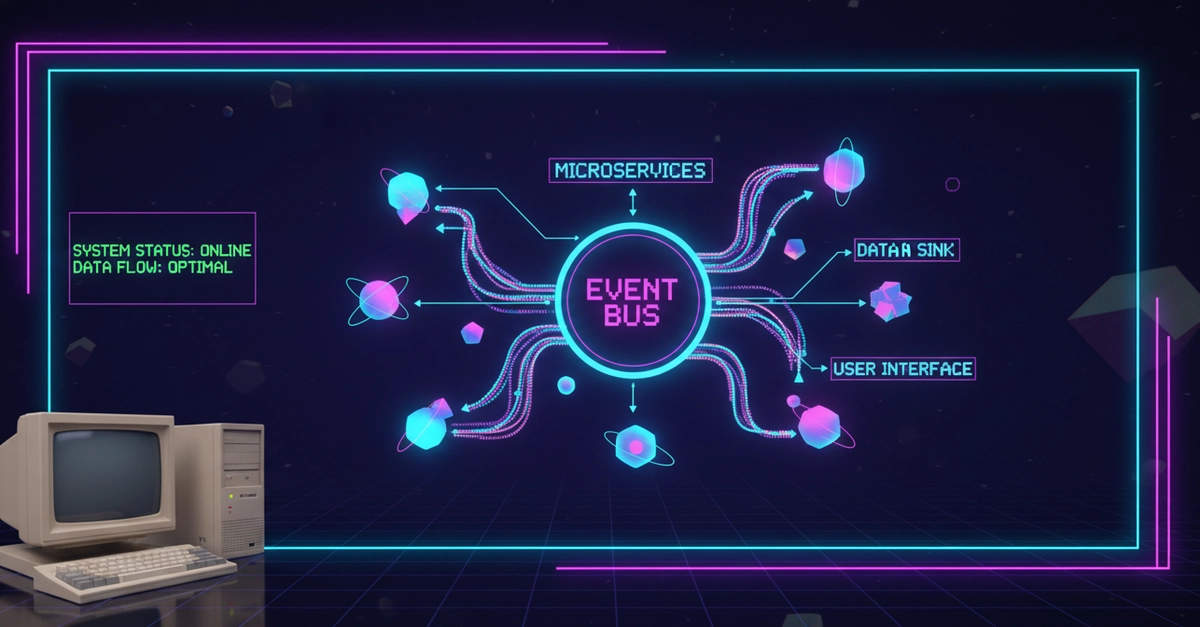
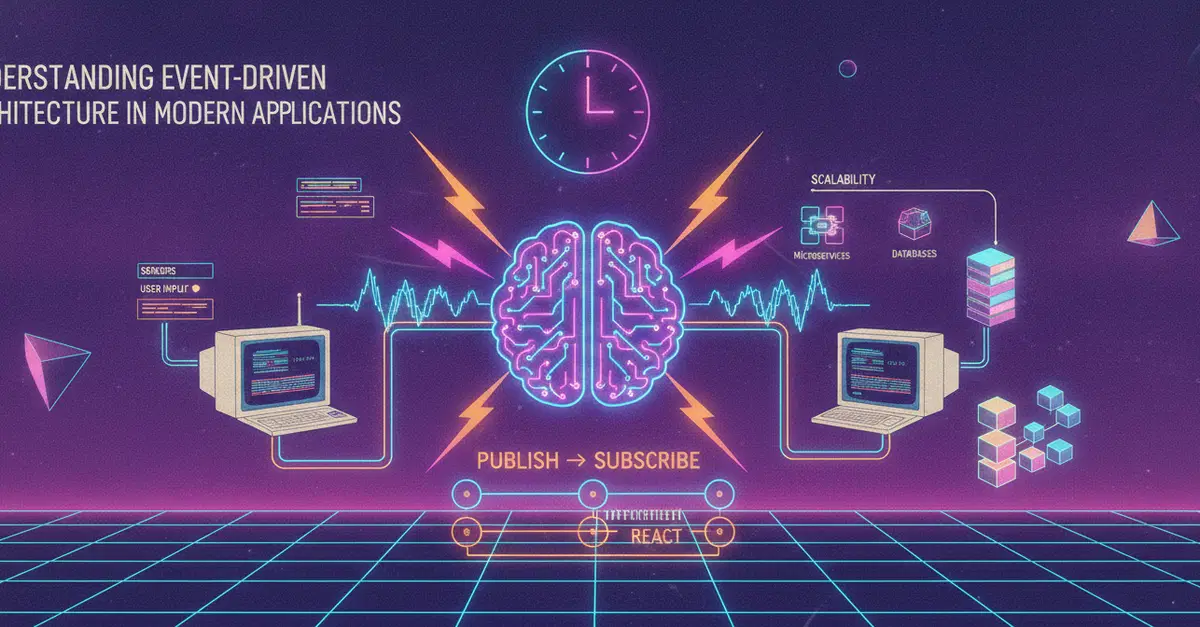
This kind of automated intervention is powered by event-driven architecture (EDA), the foundation of the Smart Water platform. At its core, EDA connects scattered devices and applications across hybrid environments—including on-premises systems, cloud platforms, and edge devices—allowing disparate systems to communicate instantly when something anomalous happens. Unlike traditional systems that check for problems on a schedule, EDA responds the moment an event occurs, whether that's a leaking pipe, an urgent customer request, or signs of a larger system failure.
What this means in practical terms is that companies can catch problems before they become crises and automate responses accordingly—as well as scale their operations more seamlessly. And as businesses face mounting pressure to respond instantly to everything from customer demands to supply chain disruptions, this kind of real-time responsiveness is becoming essential.