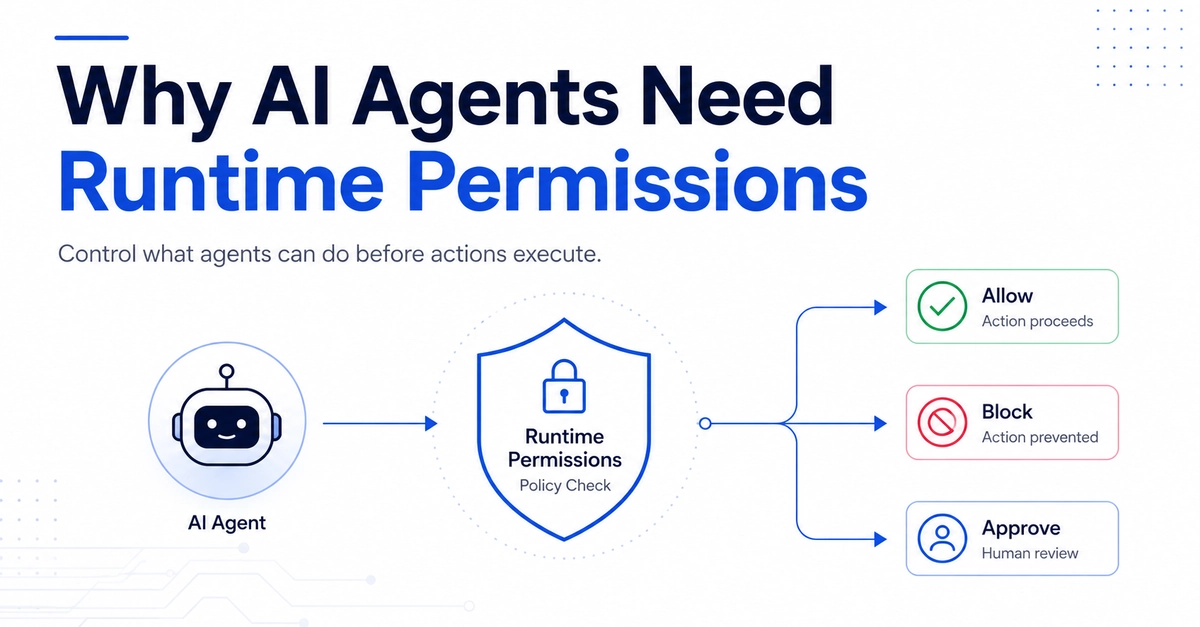
The rapid shift from passive conversational chatbots to active operational agents has changed the software engineering landscape. Modern systems powered by Large Language Models (LLMs) do not simply display answers. They actively query databases, execute API calls, manage background workflows, and make critical operational decisions.
Because autonomous AI agents act non-deterministically, traditional debugging and application monitoring practices fail. When a standard application breaks, a developer can follow a deterministic trace through structured code pathways. But when an autonomous agent behaves unexpectedly, standard flat logs are insufficient. They only capture what happened, failing to capture the underlying reasoning or why the agent chose a specific tool.
For enterprise environments, maintaining a complete audit trail is a necessity. Organizations must meet strict regulatory standards including the EU AI Act (Article 12 and 14), SOC 2 compliance, ISO 42001, and CCPA Automated Decision-Making Technology rules. Designing a compliant, secure, and privacy-preserving audit trail for autonomous agents requires a completely new logging architecture.
This guide details the technical requirements for auditing autonomous AI agents and shows how the Volidator architecture solves these challenges.