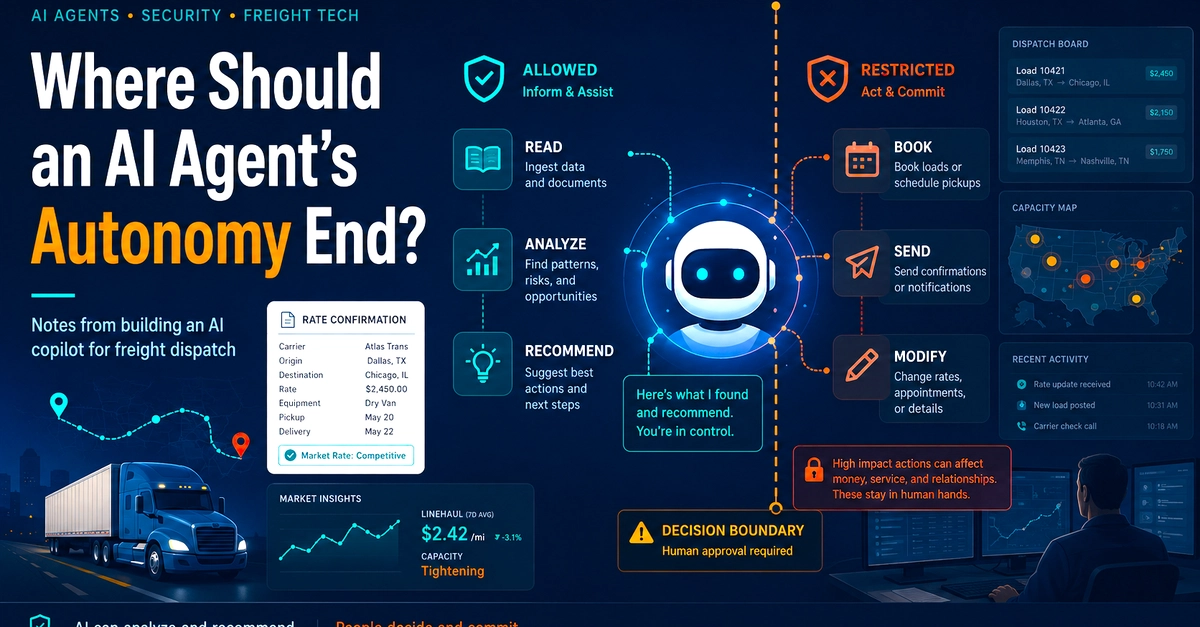
AI agents are moving from “suggest a reply” to “send the reply,” “change the record,” “open the ticket,” and “trigger the workflow.” That jump is useful, but it is also where many products become risky. The real question is not whether an agent should be autonomous. The question is: how much autonomy should this exact task get, for this user, in this context, with this level of risk?
That is what an AI agent autonomy ladder solves.
Instead of shipping one giant “autopilot” switch, you give every workflow a clear path from manual help to supervised action. Users gain speed where the risk is low. Your product keeps control where the cost of a bad action is high.
This guide shows a practical ladder you can build into AI products, internal tools, and agent workflows without turning every action into a compliance project.
Why Autonomy Fails When It Is a Toggle