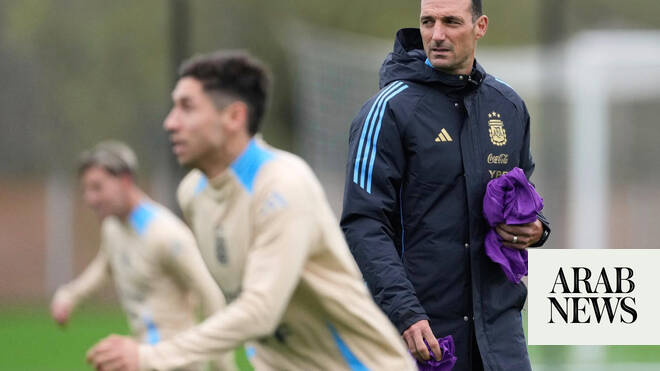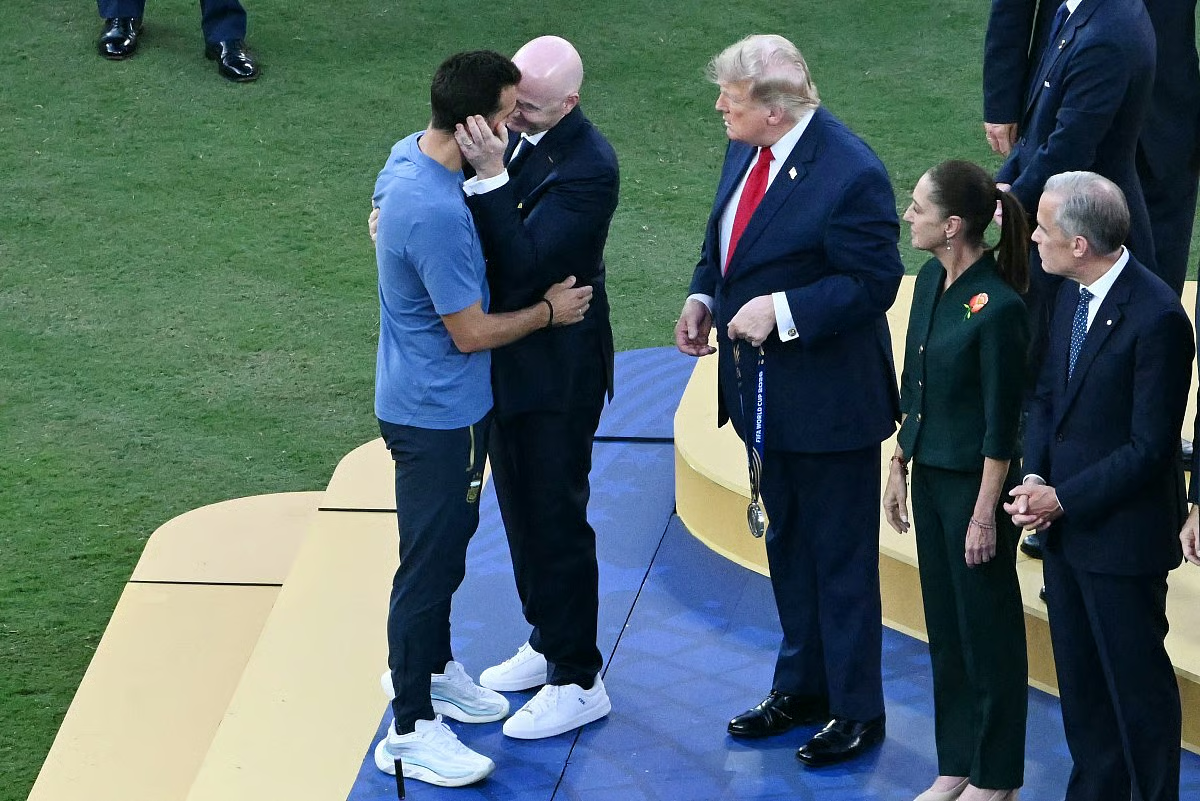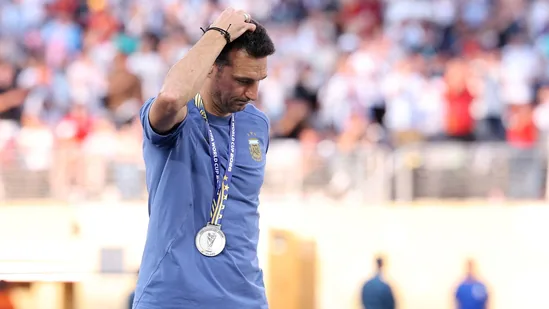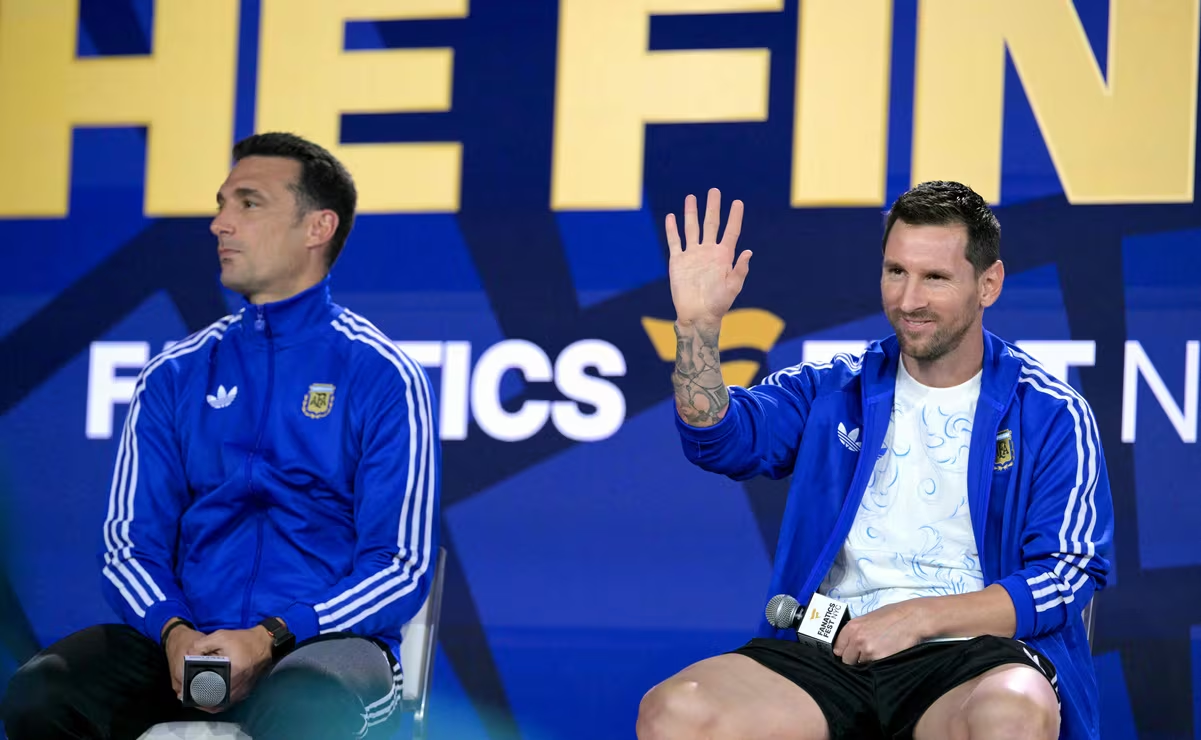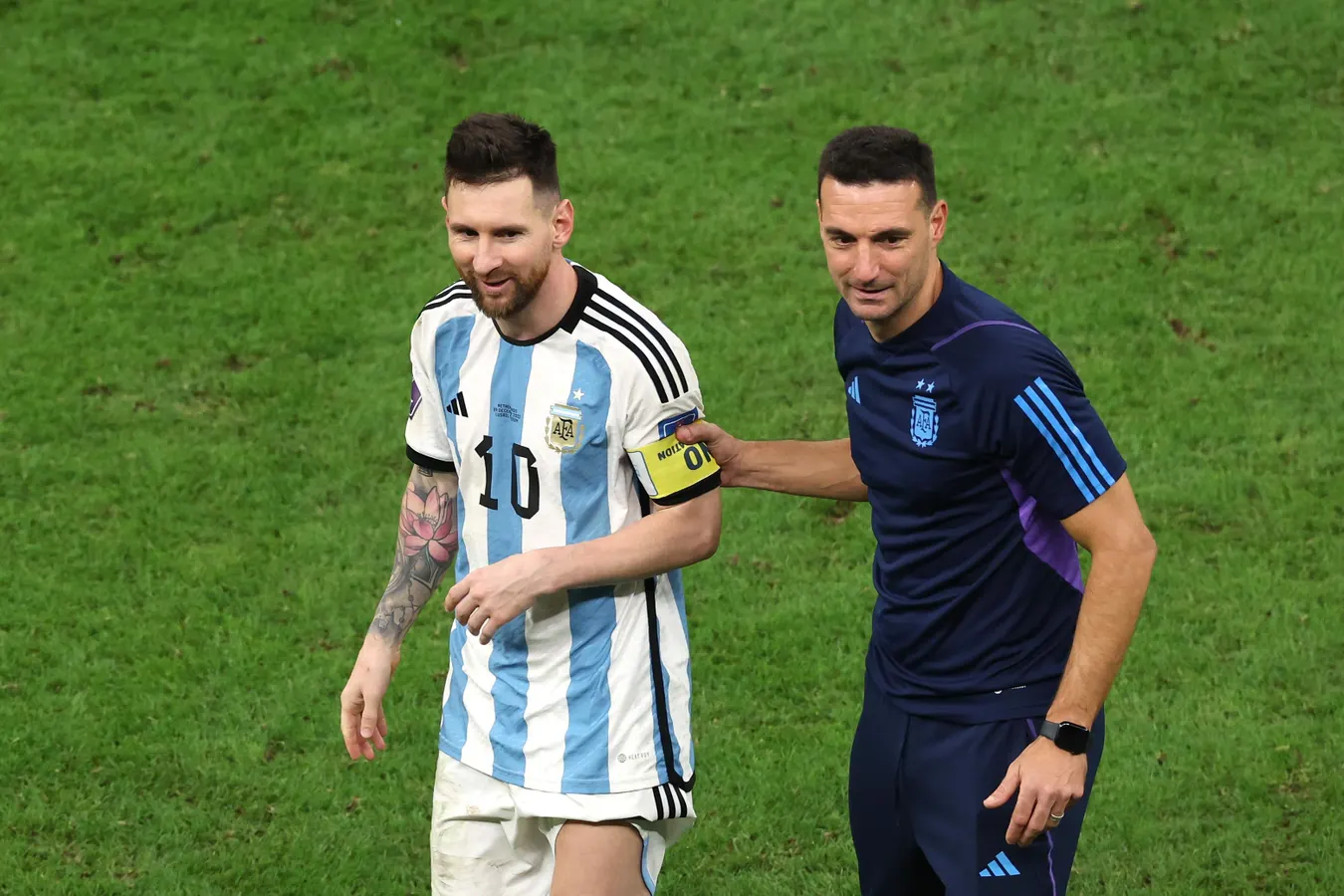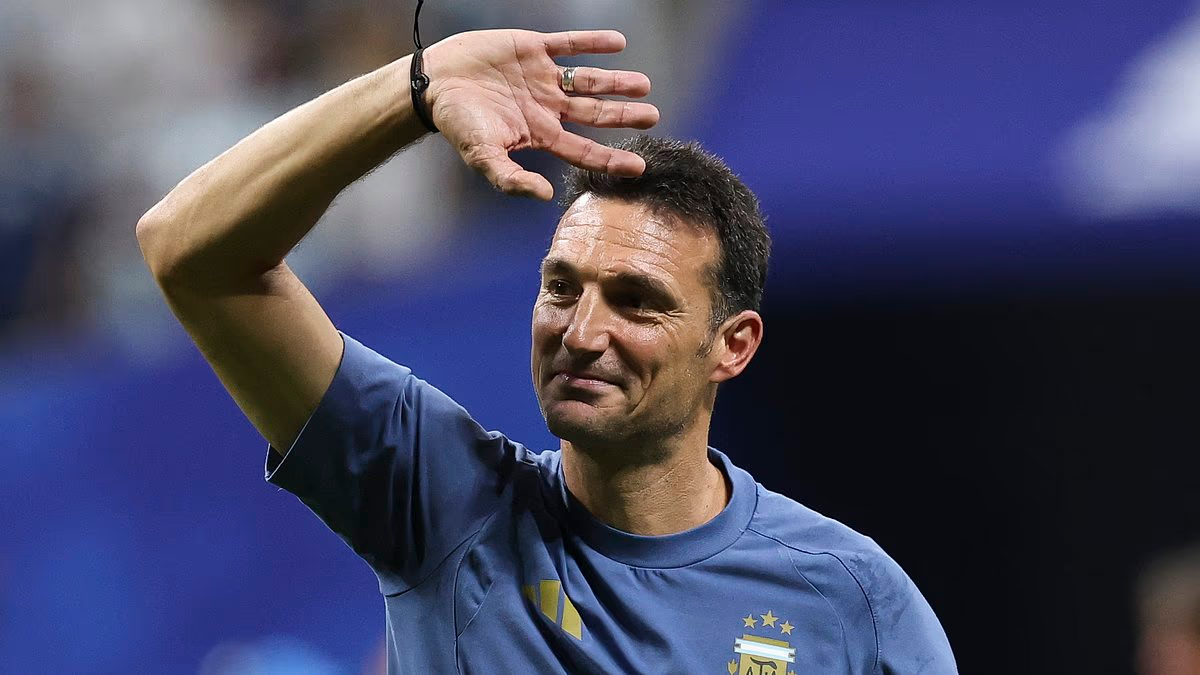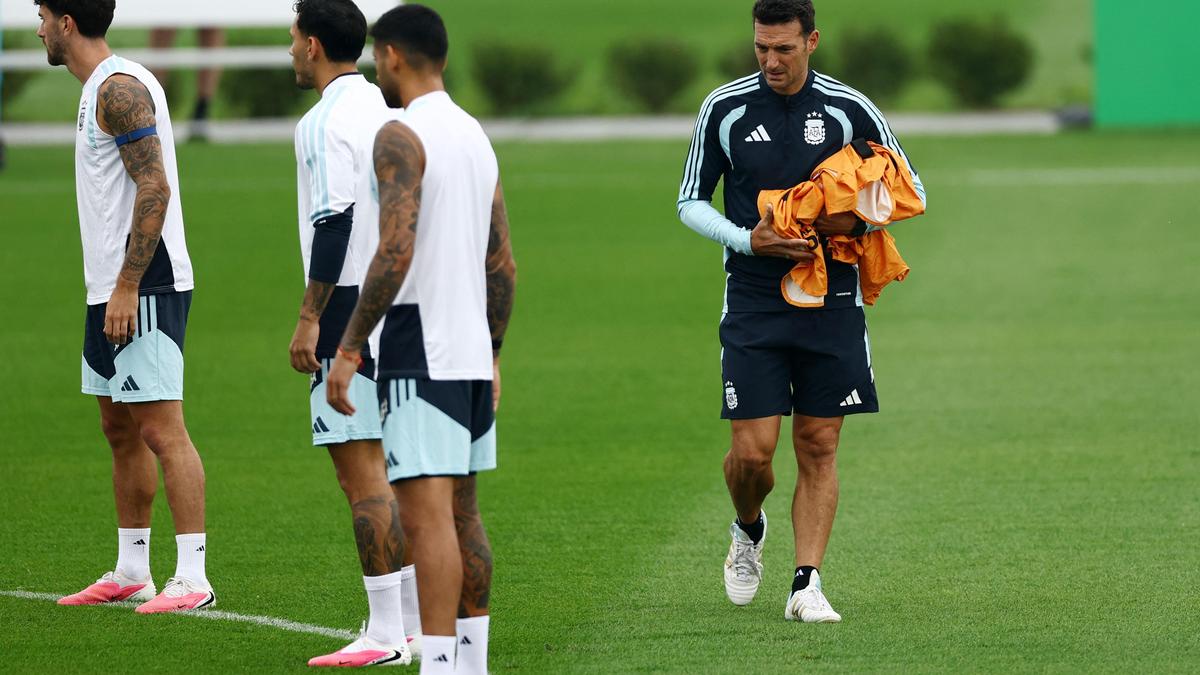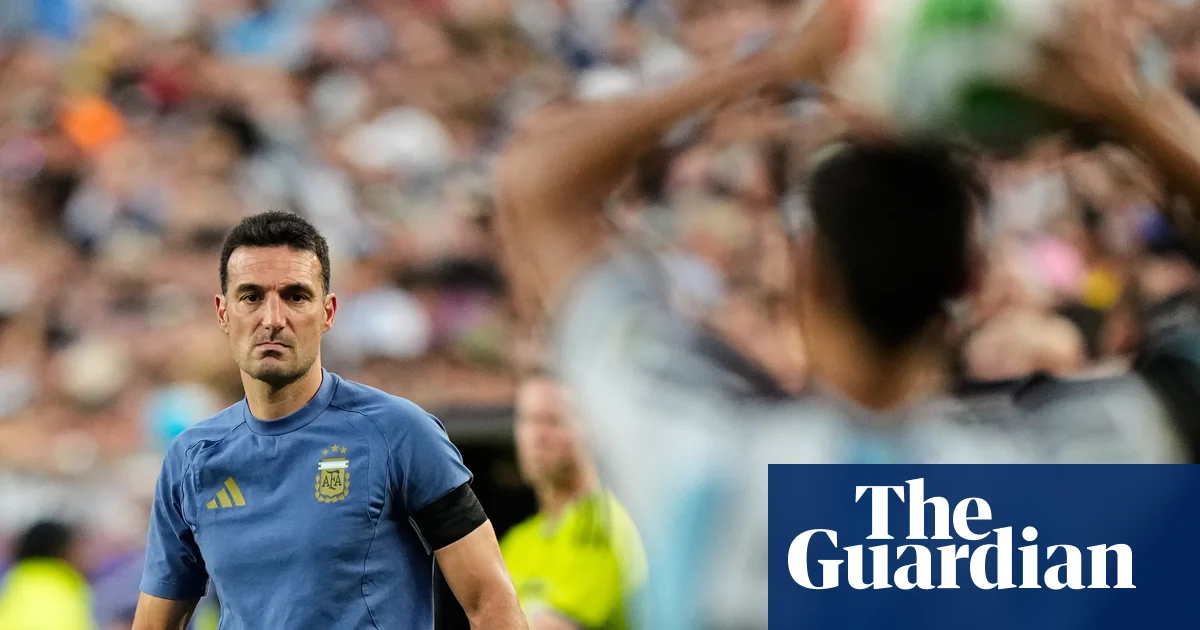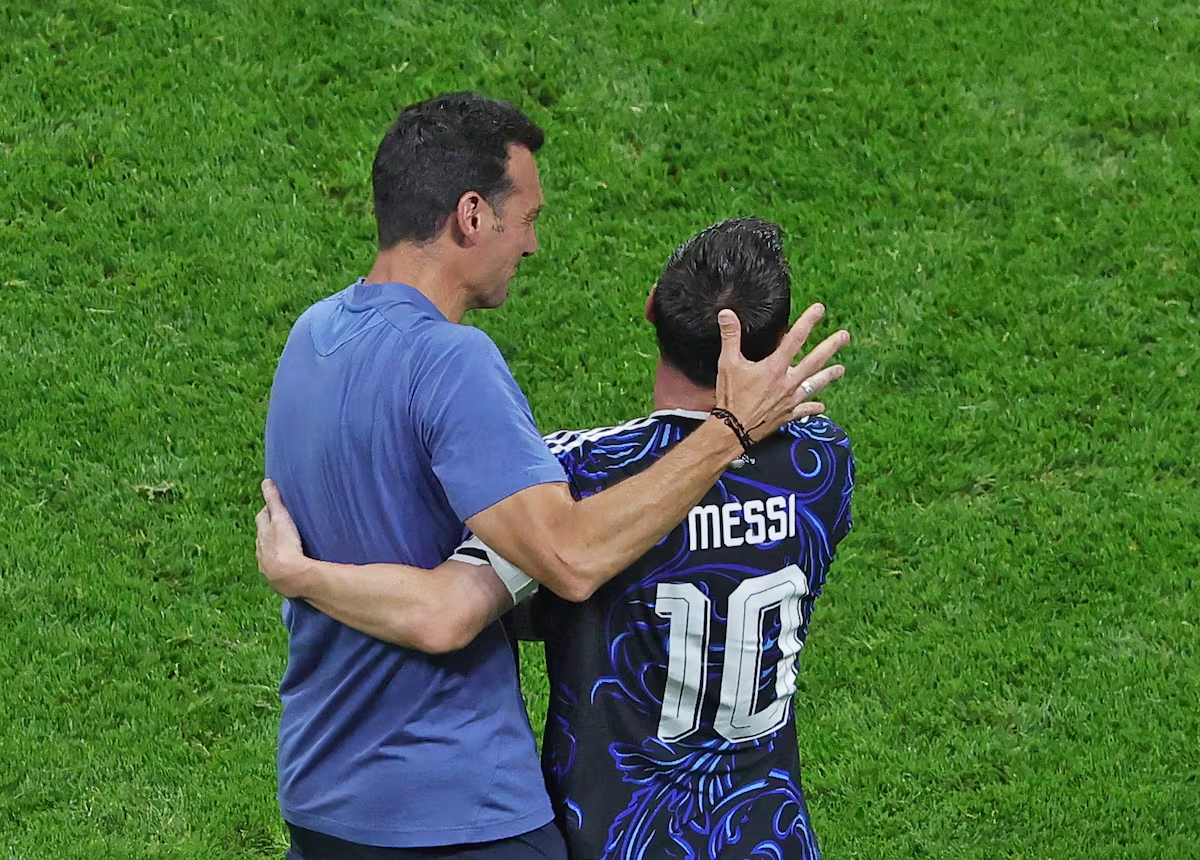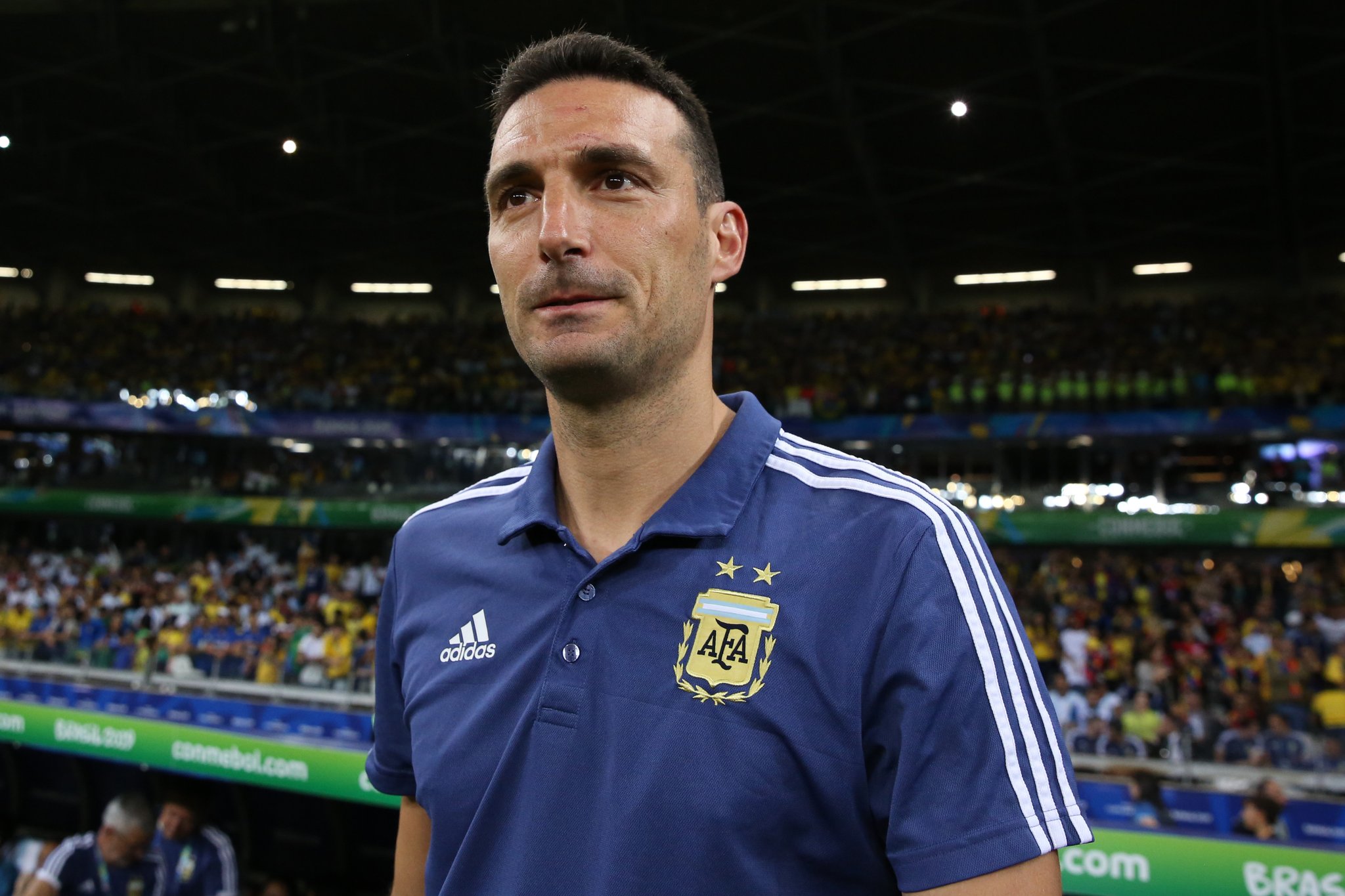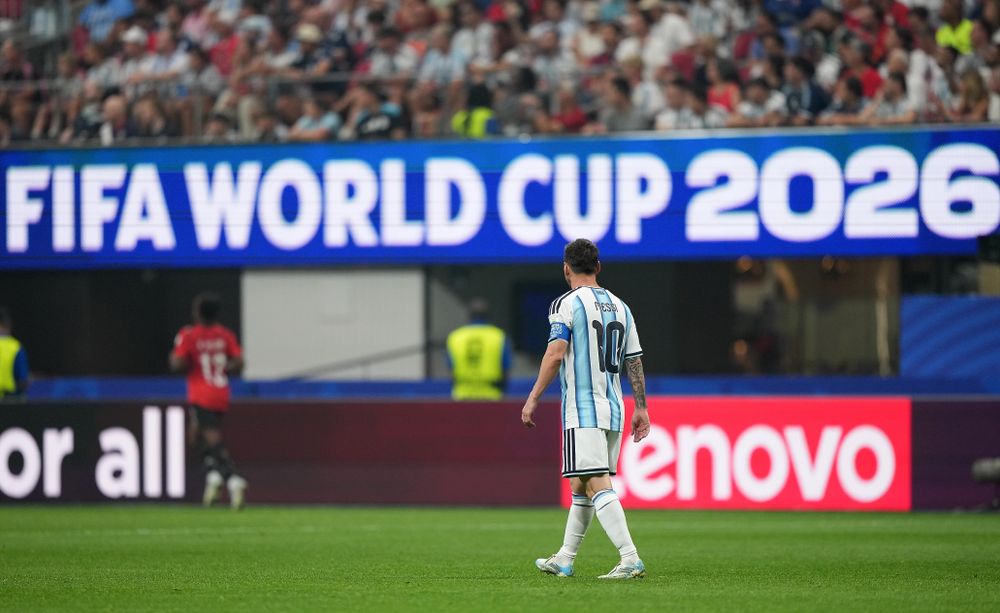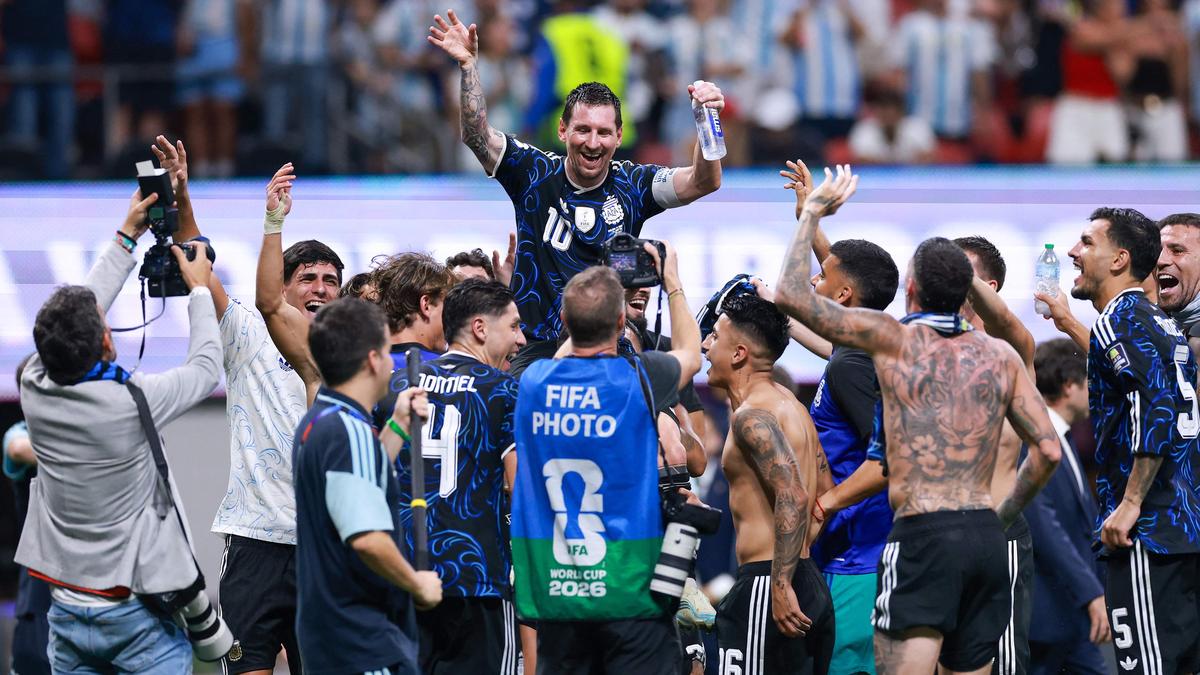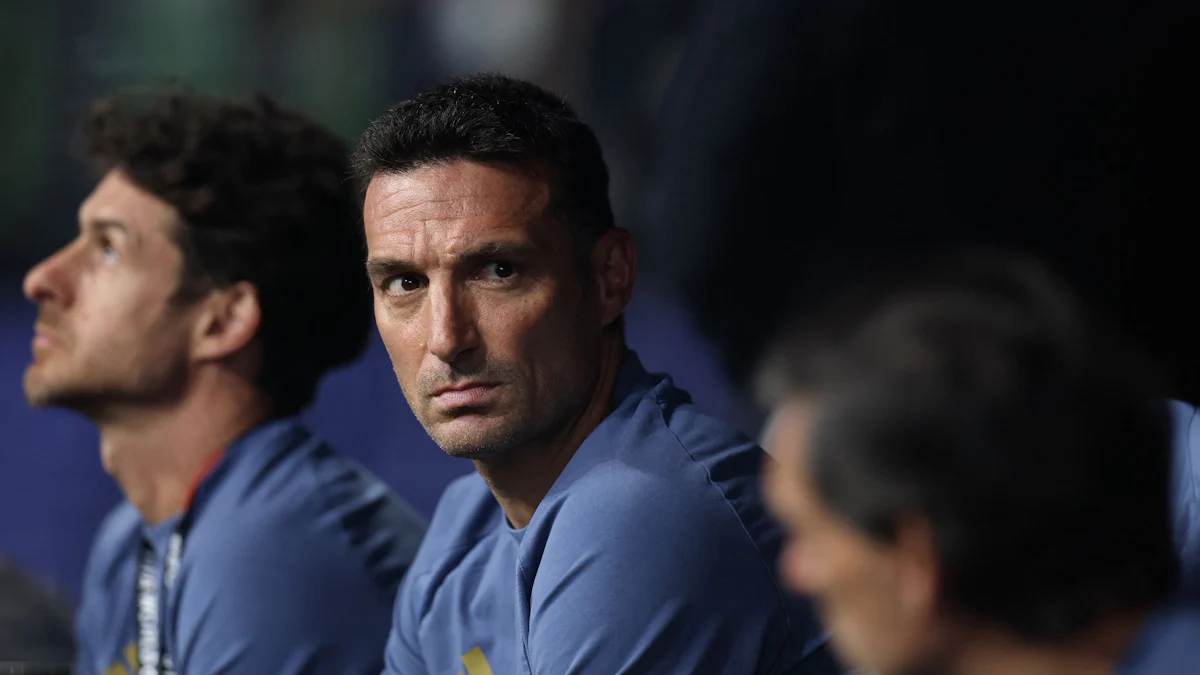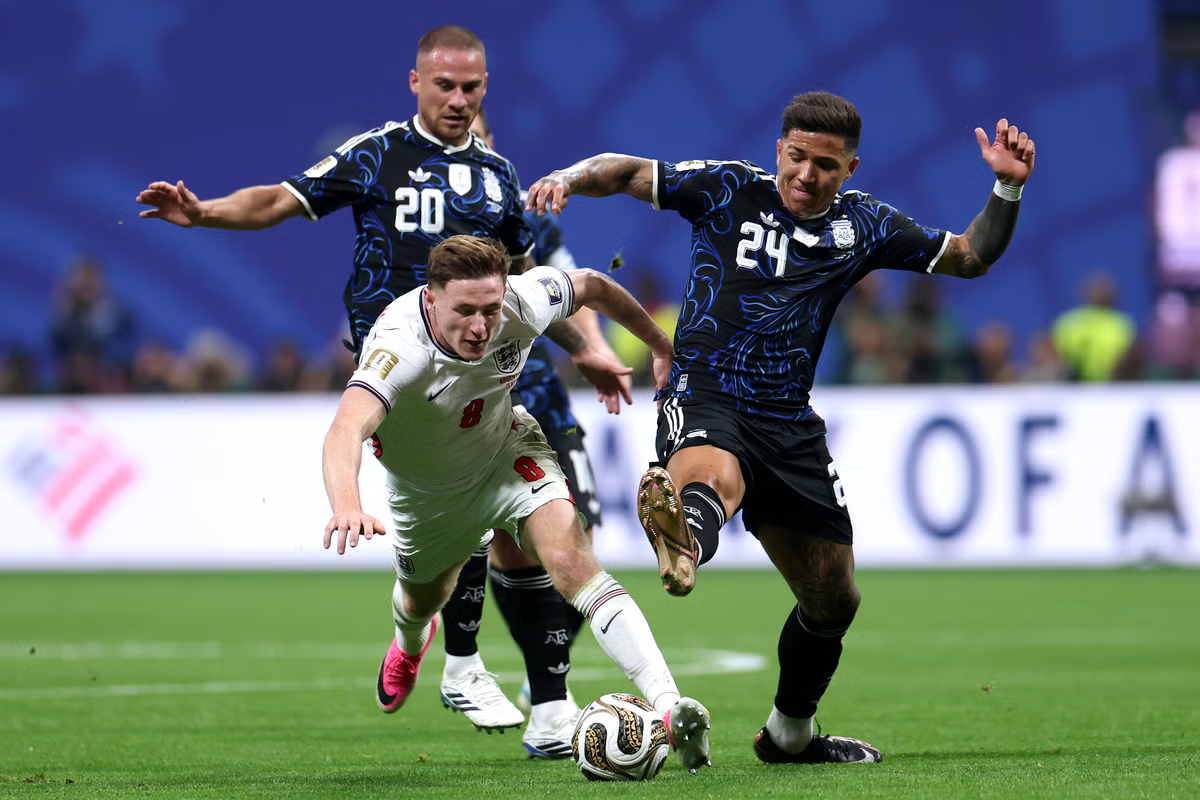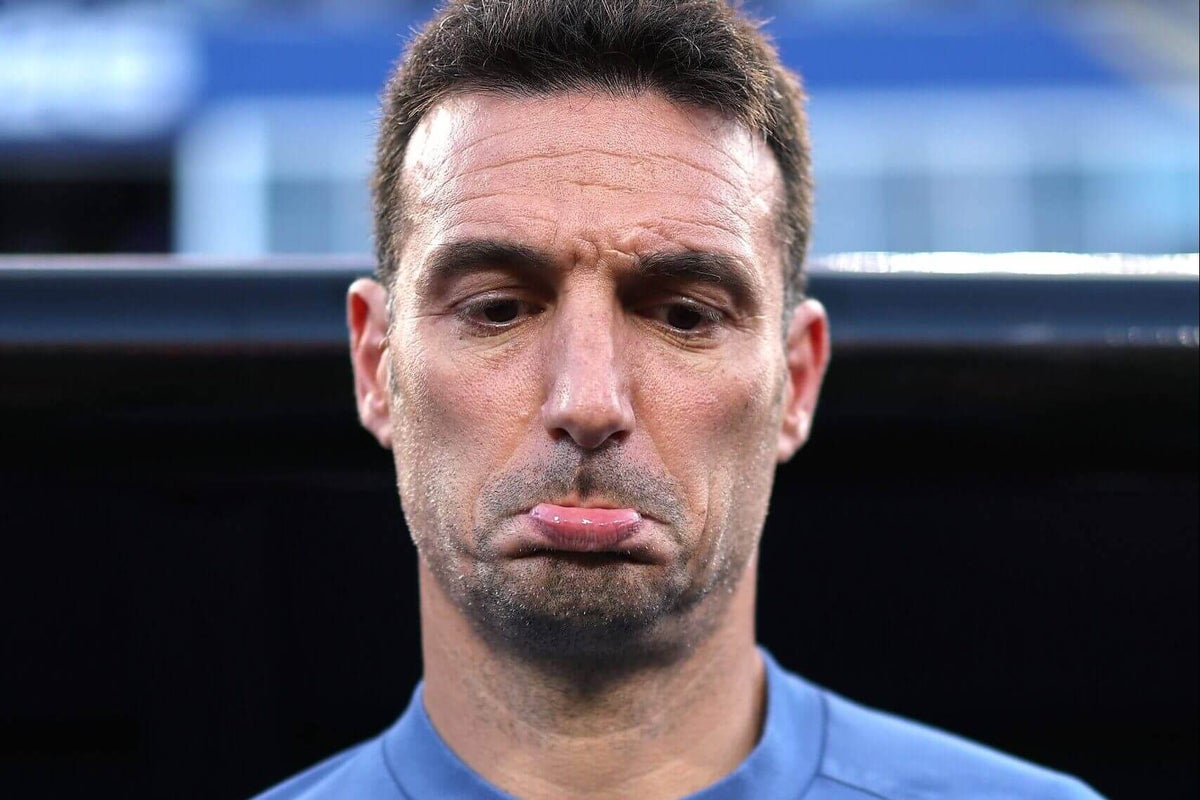
The design of the Lusail stadium in Qatar was based on an Arab lantern. In the Argentina dressing room before the World Cup final in 2022, everyone assumed Lionel Scaloni lit a fire under his players.The team talk he gave, as his players prepared to take on France, was the most important of his career. He started by telling Angel Di Maria to run at France’s full-back Jules Kounde. “Fideo,” Scaloni said. “You’re going to give him a massive headache down the left. Target him.” There were more tactical instructions to pass on. Scaloni, however, could not get his words out. As revealed in the three-part documentary, El metodo Scaloni, he choked up and started to cry.Scaloni turned to Pablo Aimar for help. He asked his assistant to continue delivering the address. “I can’t, Pablo,” Messi recalled Scaloni saying. “I can’t.” Aimar was an emotional wreck too. All of a sudden, Walter Samuel, another member of Scaloni’s staff, felt the players all looking at him. A no-nonsense defender in his playing days, the floor unexpectedly belonged to Samuel. He didn’t want it. “No, no, no,” he protested. Looking back, Samuel considered it “the worst team talk of all-time”.Argentina’s players have teased Scaloni about it ever since. They call him the llorona. The crybaby. Scaloni can’t control it. His vulnerable side has once again come to the fore at this World Cup. “It’s fine,” Scaloni insisted. He’s comfortable with it. He is who he is. The tears streamed when Messi scored his hat-trick in Argentina’s opener against Algeria. “I can’t look up, I’m sorry,” Scaloni said after the later comeback against Egypt. “I’m very, very emotional. What a group of players, man! I have to go.”Inside Lionel Messi's biggest career momentsElite sport is often framed around how well you can keep it together when the pressure is on. You are advised to not let anyone see what might once have been considered a weakness. This is particularly interesting when set in the context of Argentine football.One of the assumptions that regularly gets made is it’s about machismo. Hard men. The sharp elbows Scaloni’s assistant Roberto Ayala used to wield. The way Samuel, sporting a buzz-cut like a commando, pushed opponents around and stuck his head where other defenders were afraid to put their feet. Make no mistake, some of that spirit lives on, to an extent, in this team. Rodrigo De Paul is known as Messi’s ‘bodyguard’. Cuti Romero is renowned for reckless behaviour.While Scaloni insists Wednesday’s semi-final against England is “only a game of football” and not something bigger like another settling of scores for the 1982 Falklands War, many fear it could become a brawl as Copa Libertadores games often do. FIFA and local police are on high alert for clashes between fans at Mercedes-Benz Stadium. Hooliganism has largely faded from English football in the Premier League era. In Argentina, however, the Barras bravas remain a muscular, not-to-be-messed-with presence. Games can feel like the mosh pit at the last ever Soda Stereo concert.All of this contrasts with the image of the llorona. But Scaloni did not lose the dressing room that day in Lusail, nor did he lose the final. In 101 games in charge, he has not only ended long waits for the World Cup (36 years) and Copa America (28 years), winning it in Brazil to make it all the sweeter. He has not only retained the Copa America, beating Colombia in 2024, and put Argentina in a position to do the same at this World Cup. He has also made a country feel like a club, turning a farrago into a family. And it’s in a family that you can laugh together, cry together.“It’s not easy to have a squad of 30 players and keep everyone happy,” Leandro Paredes acknowledged. Scaloni manages it. Argentina win because of it.The Copa America in 2021 took place in a COVID bubble. In Messi’s team talk before the final against Brazil, he did not shed a tear. Instead, he gave his famous ’45 days’ speech. “For 45 days, there were no complaints about the food, the hotels, the pitches. Nothing, boys. Forty five days without seeing our families, boys. Forty five days! El Dibu (Emi Martinez) became a father and he couldn’t see his daughter yet. He couldn’t hold her yet. And all this for what, boys? For this! For this moment!”Efforts have been made to discern avant-garde tactical trends like relationism in Scaloni’s work. In truth, Argentina’s power lies in relationships. “Making the person better to make the game better,” De Paul observed. Throughout the World Cup, Scaloni has downplayed formations in favour of feelings. After the comeback against Egypt in the round of 16, he said: “I’m a head coach to experience that. Not because I like 4-3-3.”That said, you can see the hand of the coach in this side. In Qatar four years ago, Argentina started the tournament with one team and finished it with another. Leandro Paredes, Papu Gomez and Lautaro Martinez lost their places by the end of the group stage. Alexis MacAllister, Enzo Fernandez and Julian Alvarez stepped up. Scaloni and his staff, which includes Matias Manna, the former blogger behind Paradigma Guardiola, continue to make tweaks. They recalibrate the team according to circumstance. Paredes, this time round, has gradually been introduced at the expense of Thiago Almada.Personnel is what’s important, but Scaloni treats his players as people, not as pawns on a chessboard. “That’s why he’s going to be the best manager in the history of the Argentine national team,” Emi Martinez said.He is not an ideologue, like Argentina’s other World Cup-winning coaches Cesar Luis Menotti and Carlos Bilardo. Theory alone cannot explain why Argentina keep doing what they’re doing. “There are times during a game where tactics and strategies… They’re forgotten,” Scaloni admitted. Of course, game plans are important. It’s vital players know their assignments. “But football is also about heart, gut instinct and never giving up.”This is what Scaloni trains. This is why he gets emotional watching his team. To him, being at the grill is as valuable a use of his time as standing at the whiteboard. Cooking a sizzling steak and some blood sausage, the unquestionable togetherness a barbecue brings, is worth as much if not more than hours of video analysis. “We shortened the training session so we can go and eat an asado,” Scaloni revealed on the eve of Argentina’s quarter-final against Switzerland. “This is the type of thing we do. We place a lot of value on it. It’s not just about what happens on the pitch.“I still remember Malaysia, 1997 (the FIFA World Youth Championship that Argentina won). Pablo and Walter are here with me. We’ve been through a lot together. These things matter to me and this is what stays with you in addition to the results and the scoresheet. Twenty years down the line, you might get together again and remember that asado you shared, a mate together. It’s unforgettable and it’s something we do a lot. We think it builds a team and if we build a team, we become even stronger.”Lionel Scaloni has a close bond with Lionel Messi (Patricia De Melo Moreira /AFP via Getty Images)It’s identity over ideology. Emotional IQ over tactical nous. Spirit over strategy. This Argentina team doesn’t want to go home. They want to stay together. “For the Malvinas. For Diego. For Leo’s last (World Cup),” or so the lyrics of the fan chant go.Vibes. How often do we attribute what we can’t see to that?It’s what we put Zinedine Zidane’s success down to at Real Madrid. The aura radiating from him as a former Ballon d’Or and World Cup winner. Scaloni can’t count on that. “I was never one of the big players,” he reflected. “I was a support player. I was a nice guy.” A guy who, in De Paul’s telling, “knows which button to press in each of us”.When things get loose, Scaloni is far more comfortable being uncomfortable than Thomas Tuchel appeared after England’s win over Norway. Scaloni has, by now, got to a place where he is able to embrace and accept that football matches sometimes come down to the non-football aspects, the stuff a coach can’t control.“We knew that we were going to suffer and this is part of our blood, this is part of our DNA, and this brings peace of mind,” Scaloni said upon reaching the semi-finals with victory over Switzerland. “In Qatar, we were not that experienced, myself included, and those kind of situations were very difficult. However, now we are more experienced because we know what it feels like to be dominated by the opponent, to concede an equaliser, so today, we kept our composure. The team knew how to remain calm and, of course, we will never give up.”Football in Argentina will put you in touch with your feelings. No one is more in touch with them than the one they call the llorona.
Lionel Scaloni is Argentina’s ‘crybaby’ coach. It’s why they love him
The world champions' head coach knows that tapping into emotion is the best way to get the most out of Lionel Messi and co.
1,499 words~7 min read