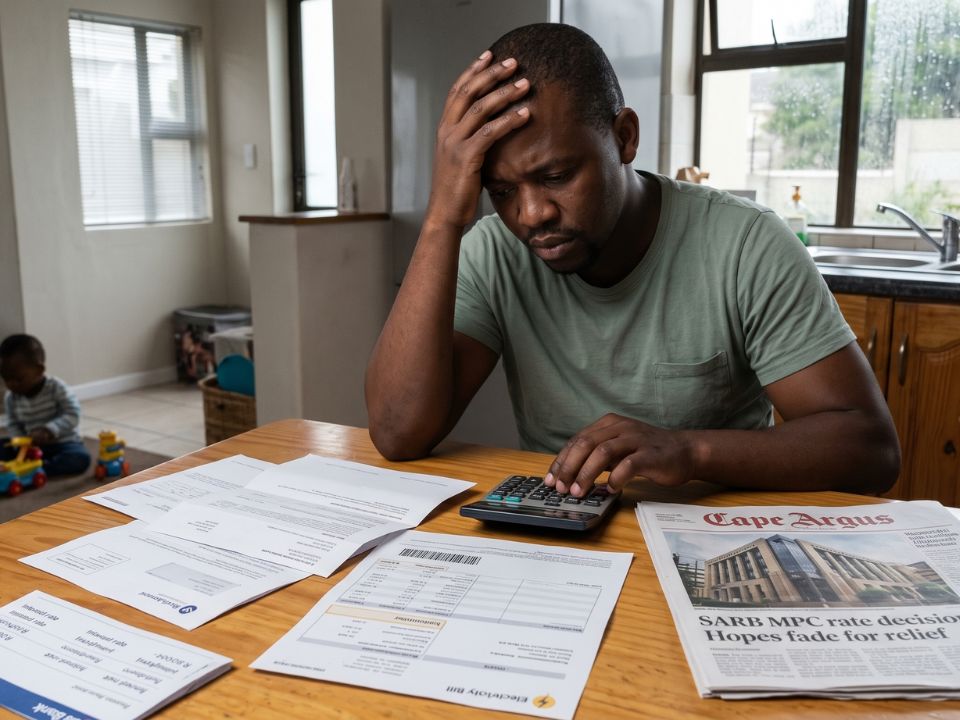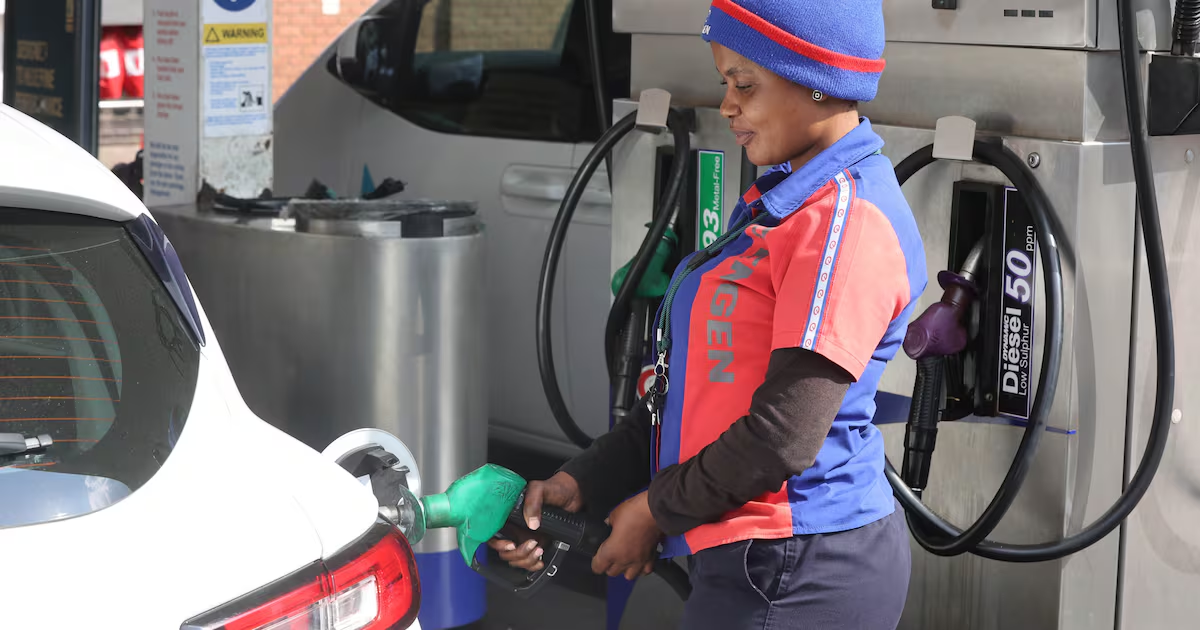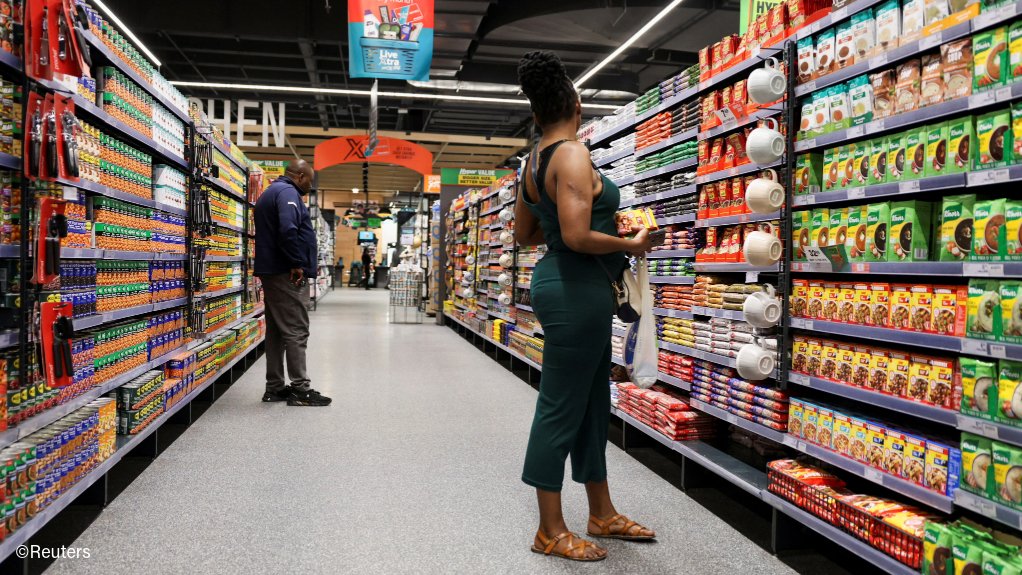
Though inflation is expected to ease later this year, elevated expectations could prompt the South African Reserve Bank (SARB) to deliver another 25 basis point rate hike at its meeting next week, according to Bank of America.In its latest South Africa viewpoint report, the US banking giant predicts inflation will accelerate to 4.7% year on year in June before moderating to 4.2% the next month. This would still be above the 2%-4% tolerance band of the central bank’s new 3% target adopted last year.Stats SA’s latest report in June showed inflation quickened to 4.5% in May, supporting the argument for another interest rate increase after the Bank raised its benchmark to 7% at its most recent policy meeting, citing a worsened inflation outlook due to sharply higher fuel prices stoked by the US-Iran war.Adding to that, producer inflation galloped to 7.8% in May from 4.8% in April, reflecting higher input costs that South African firms are likely to pass on to consumers.There was, however, some relief for households and businesses in early June when the government announced significant price reductions for petrol and diesel, which had spiked higher since April due to erratic global oil supply.“CPI [consumer inflation] could rise to 4.7% in June before slowing to 4.2% in July, as lower fuel prices outweigh higher rental and electricity,” Bank of America said in its report.Food inflation is expected to remain contained, with disinflation in components such as edible oils, fruit and vegetables helping offset broader price pressures.“Over the medium term, we see CPI peaking 4.7% in [the first quarter of 2027] before decelerating again. We expect the SARB to hike by 25 basis points at the July 23 meeting, following the May hike to 7%, and then pause.”The Bank has repeatedly stressed that the greatest risk from the recent oil price shock is not the direct increase in fuel prices but rather the possibility of “second-round effects”, in which the initial shock spreads into the broader economy through higher wages, inflation expectations and the prices of other goods and services. Last month deputy governor Rashad Cassim said anchoring inflation expectations close to 3% “will allow us to set lower short-term rates, probably closer to 6% than 7%”.“If investors feel unsure about the outlook for inflation, they will probably want higher yields to compensate. By contrast, if they see a clear and credible inflation-targeting framework, they can discount that risk and charge lower rates,” he added.Bank of America expects next week’s rate call to be another close one after the Reserve Bank’s six-member monetary policy committee was split on the May decision, with two favouring keeping the policy rate at 6.75%.“The case for a hold has strengthened somewhat because oil prices have fallen after the mid-June Iran ceasefire, but we lean towards a hike because inflation expectations have moved higher and inflation remains above the SARB’s comfort range,” the US lender said.“The rise in inflation expectations raises concerns about second-round effects and the risk that temporary price shocks become embedded in wage- and price-setting behaviour.”The global energy shock triggered by the Middle East conflict had a negative impact on inflation expectations in South Africa in the second quarter of the year, with all social groups surveyed by the Bureau for Economic Research recording surges.The average inflation expectation for 2026 among analysts, business leaders and trade union officials jumped to 4.4% from 3.6%, while the five-year forecast rose to 4.1% from 3.6%.Inflation expectations for households climbed to 6% from 5.4%, while five-year expectations were at 9.1% in the second quarter versus 8.4% previously.July inflation should benefit from lower fuel costs, with domestic fuel prices expected to decline by about 7%, Bank of America said.Electricity tariffs are set to increase by almost 9% in July, providing an additional source of inflationary pressure in the second half of the year. Business Day
Bank of America expects another SARB rate hike despite easing inflation outlook
Higher inflation expectations for June strengthen case for rate increase
639 words~3 min read