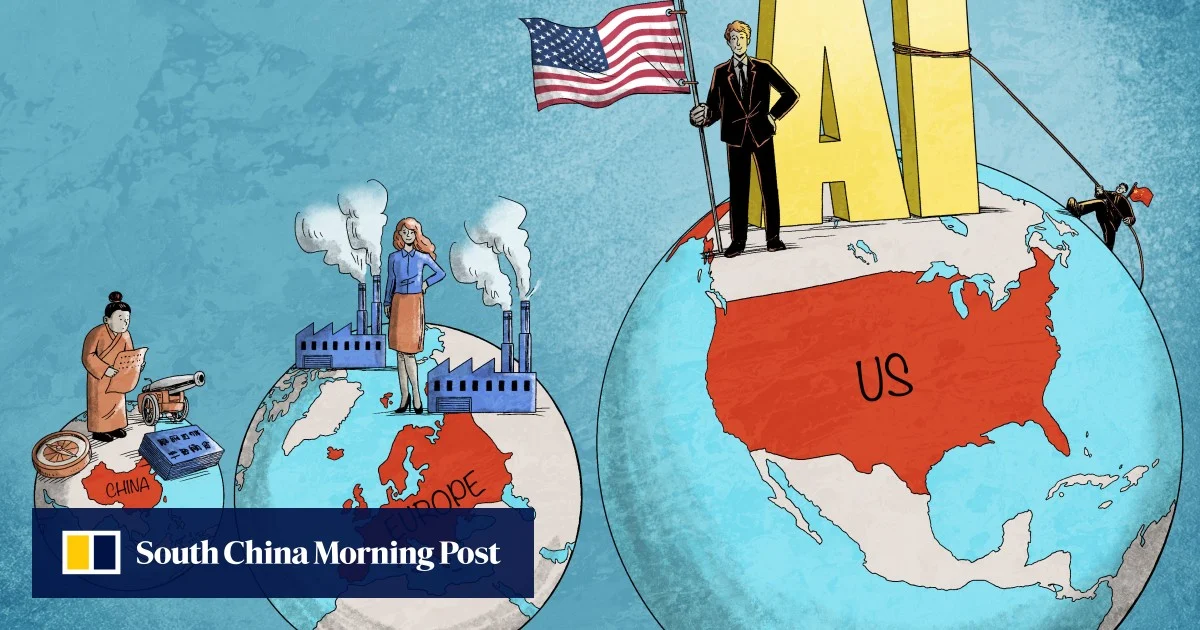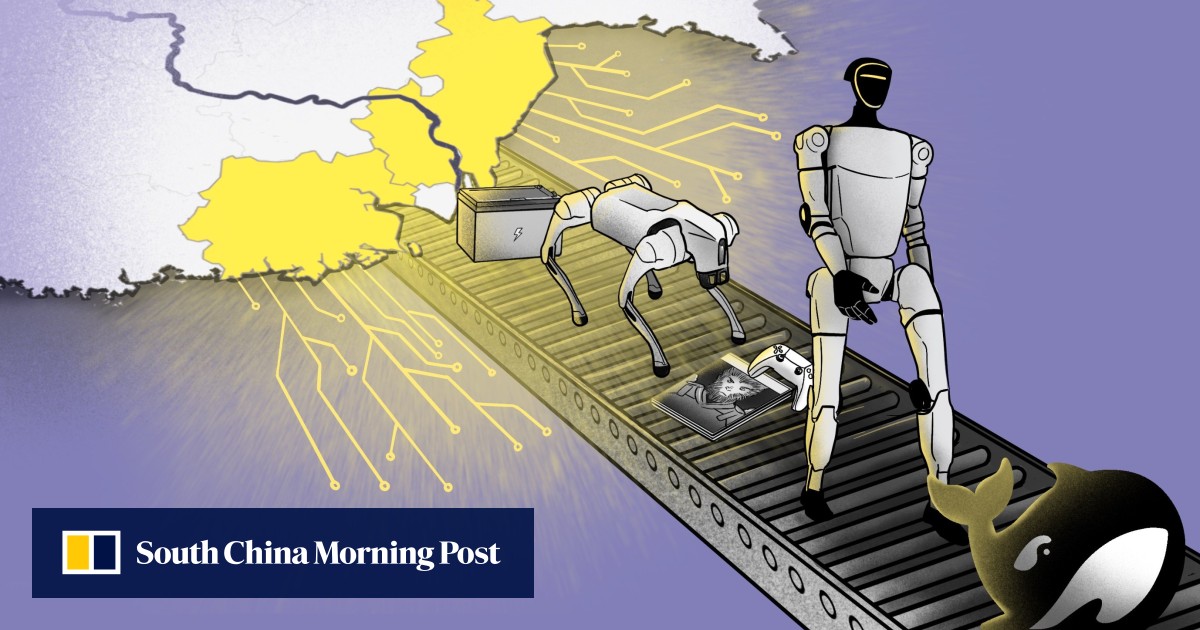
Dateline: November 11 2030The saying “hard times create great people” applies to companies and nations too. When the US imposed restrictions on the sale of high-tech products to China, they didn’t dream that, ironically, it would have the opposite effect to what was intended.Necessity is the mother of invention. When Elon Musk started SpaceX, he tried to buy a Russian rocket to get started with the technology. They laughed at him and sent him away empty-handed. But he needed it, so he designed and built his own, profiting from the hardship of the experience and ultimately outcompeting every space launch company (and country).Similarly, when Huawei was denied Western know-how and market access, it developed its own and cleaned up in emerging markets such as Africa. It became arguably China’s most innovative company. It needed to.It’s fair to say you want to level the playing field, and China is known for not necessarily playing fair, but imposing tariffs in a trade war to keep the other side down. To keep your country on top can backfire spectacularly. And let’s not blame it all on Trump 2.0.When advanced ASML chip-making equipment faced export restrictions, China’s imports of existing systems surged in a strategic move to acquire the machines before further restrictions were introduced. China’s tech innovators developed ways to upgrade the older systems to produce more sophisticated silicon while also focusing on mature designs that had high demand volume, such as chips for the automotive industry.Now China ― with Asian allies ― is starting to challenge Western technological hegemony, not only in low-cost manufacturing but also in innovative chip design and AI systems. The hard times imposed on them have bred some great companies.So, who really made China great again? /First published in Mindbullets November 14 2024Intelligent machines create the new hegemonyDateline: December 2 2030In the past 15 years, we have seenthe stunning rise of an exponential technology ― machine learning and AI. Like Moore’s Law on steroids, smart machines and computer systems have created new global industries, turbo-boosted productivity and destroyed old industrial-age business sectors.The Economist, now a purely digital research and analysis house, estimates the “new value” created by this phenomenon at more than $19-trillion globally. But a full 70% of this windfall has landed on the US and China, which have dominated the tech scene, almost to the exclusion of other nations.Despite the fact that the “nation state” is an almost anachronistic concept in the 2030s, both China and the US have stubbornly clung to their historically strong ideology of building their own economic empires first and dispensing largesse to the rest of the world later. It’s in their nature.Other developing nations have sought to innovate and grow on the coattails of these two giants, and some have succeeded; but many are dependent on the markets and investments they provide and are forced further down the value chain, almost like vassal states.Industrial powers such as Germany and France have used regional integration to hang on to some semblance of importance in this new world order, but factory work, such as it is, has drifted to India ― the world’s sweatshop, with the biggest pool of workers.Like two gorillas in the same territory, China and the US maintain an uneasy alliance. Each is waiting for the other’s first misstep; in the meantime, the dual hegemony is benefitting both. /First published in Mindbullets September 19 2018Despite appearances to the contrary, Futureworld cannot and does not predict the future. The Mindbullets scenarios are fictitious and designed purely to explore possible futures, and challenge and stimulate strategic thinking.
NEWS FROM THE FUTURE: Making China great again
Two scenarios explore how trade restrictions accelerated the country's innovation
595 words~3 min read