Start-ups rise fast where traditional manufacturing once ruled – powering Beijing’s innovation and self-reliance push
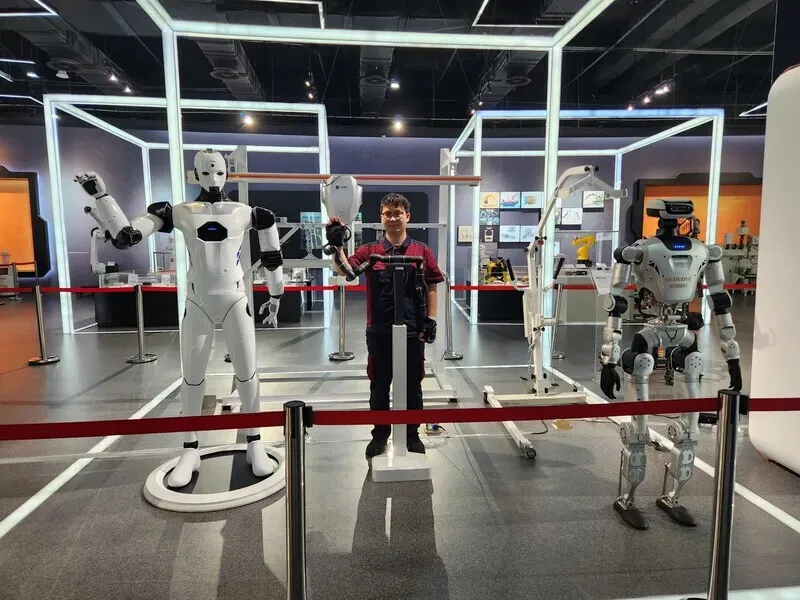
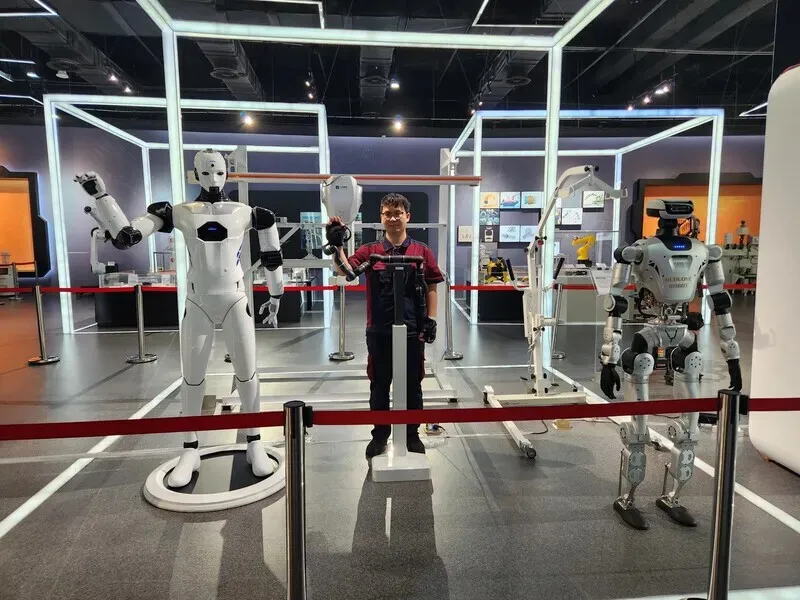
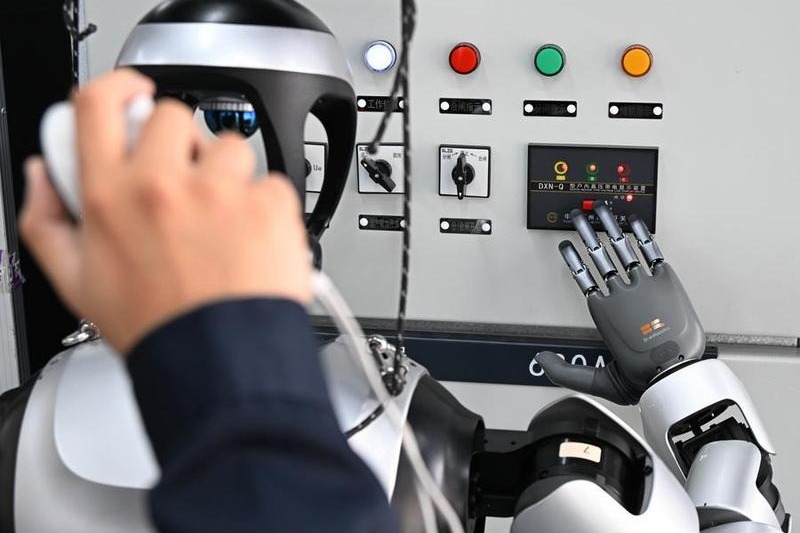
“More than 90 per cent of the components, including critical parts like torque motor joints, actuators, control units and dexterous robotic hands, are developed in-house and locally manufactured,” said Wu Changzheng, the company’s president and a graduate of Shanghai Jiao Tong University. “The other 10 per cent is in central processing units (CPUs).”
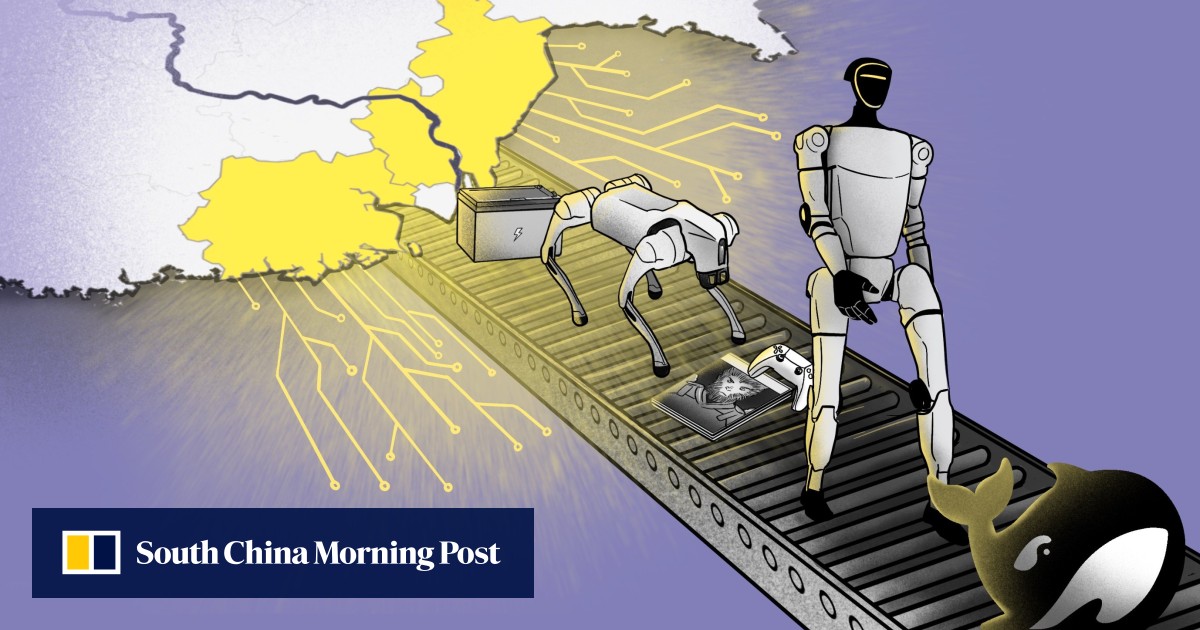
Magic Lab is one of thousands of cutting-edge ventures reshaping Jiangsu and neighbouring Zhejiang province. Once known for producing textiles, chemicals and machinery, the Yangtze River Delta is now home to a new generation of firms developing technologies critical to China’s future.
The start-up has developed a general-purpose AI model that integrates sensing, navigation and movement control, enabling its humanoid robots to quickly adapt to tasks and cooperate in real-world environments.
According to Wu, the local government has fostered a supportive environment through tax incentives, industrial estates and other measures, providing the company with a solid foundation. Most of its funding comes from private sources, with the firm largely driving its own research and development.