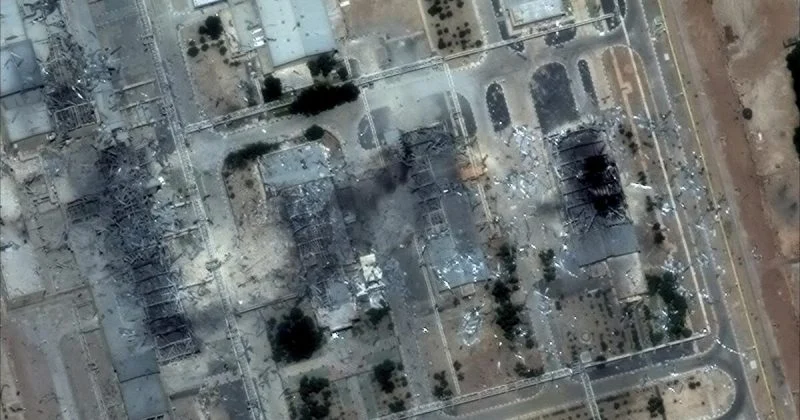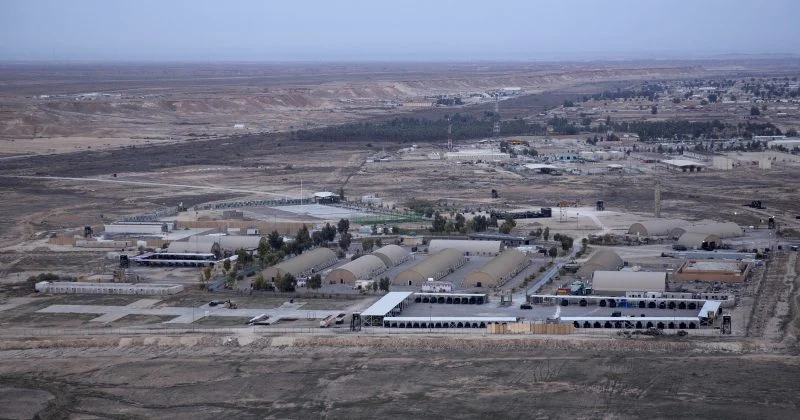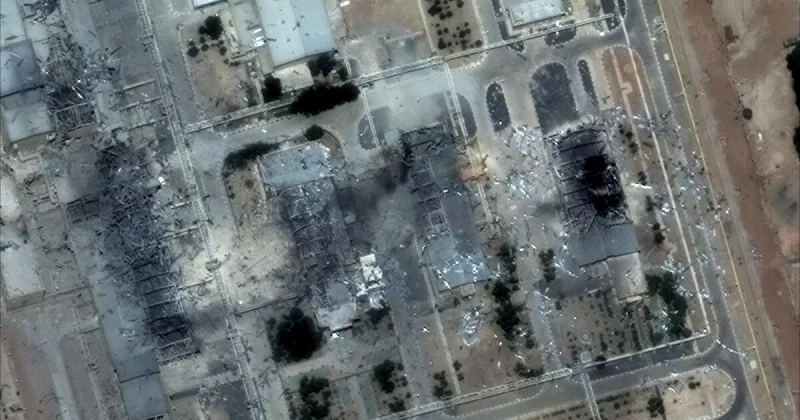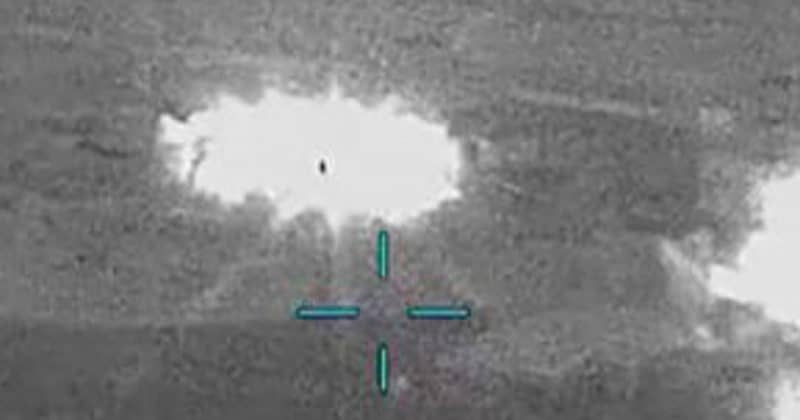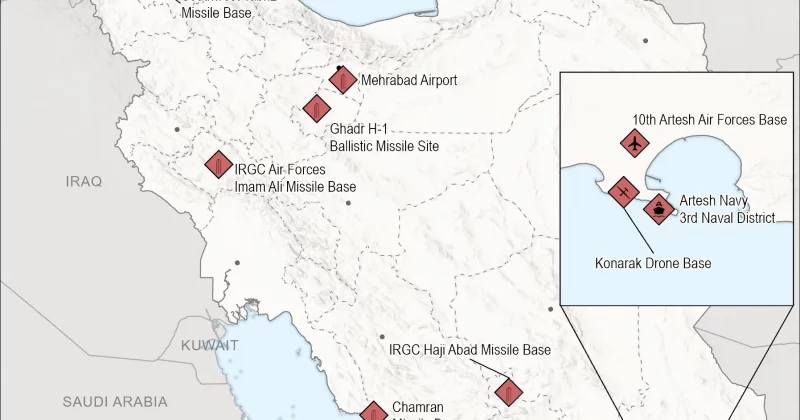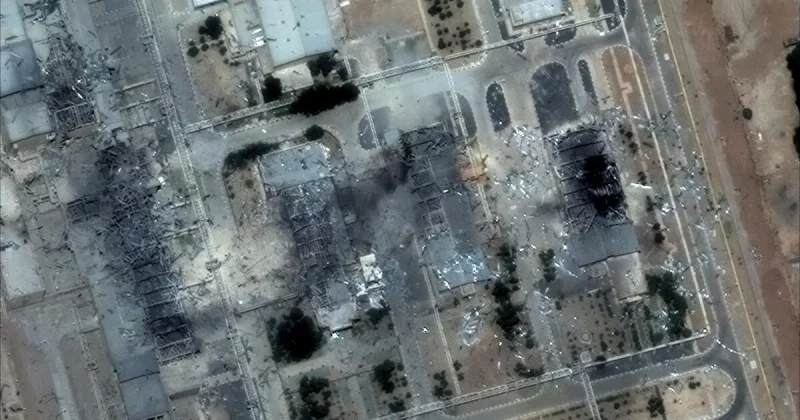
The US military launched a sweeping five-hour campaign of precision strikes against more than 140 Iranian military installations in early July 2026, targeting Tehran’s ability to threaten commercial shipping through the Strait of Hormuz. The operation, executed by US Central Command (CENTCOM), came just days after President Trump declared a mid-June ceasefire with Iran “over” on July 8. The strikes focused on missile and drone facilities, coastal radar systems, naval assets, and logistical infrastructure.
What the strikes targeted and why it matters
The Strait of Hormuz handles roughly a fifth of the world’s daily oil supply. Iranian provocations had already triggered a sharp drop in maritime traffic through the strait before the US strikes began. CENTCOM’s target list of over 140 sites included coastal radars and naval assets, signaling an intent to degrade Iran’s capacity for asymmetric warfare at sea. The strikes represent a significant escalation from earlier 2026 confrontations between Washington and Tehran. A ceasefire brokered in mid-June collapsed after less than a month, setting the stage for this latest round of military action.
Crypto’s muted reaction tells a bigger story
Bitcoin traded around $63,800 during the strike window, registering a daily change of roughly -0.3%. Ethereum and XRP showed similarly limited volatility. Compare that to earlier escalations in 2026, when Bitcoin dropped by 2-4% and liquidations surpassed $500 million to $1 billion across crypto derivatives markets. This time, traditional asset classes, particularly equities and commodities, reacted with risk-off sentiment, with investors rotating into safe havens like treasuries and the dollar, while crypto remained largely unmoved.