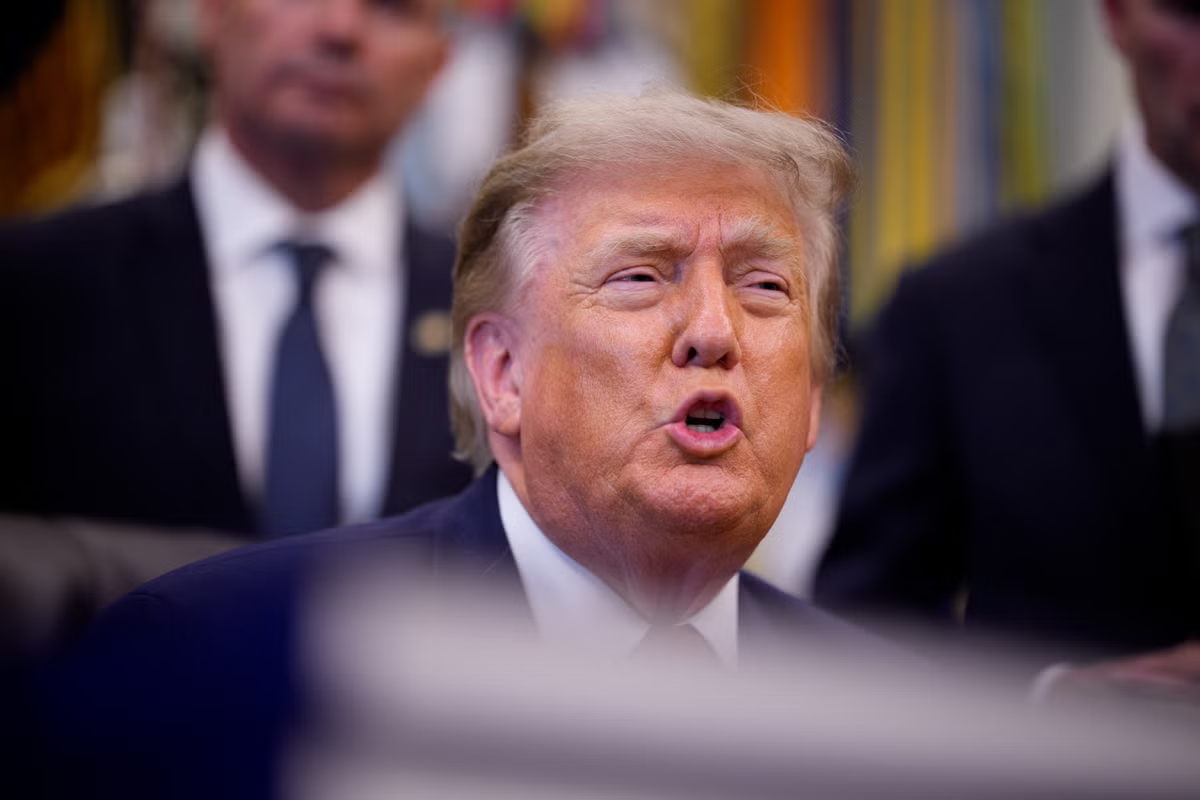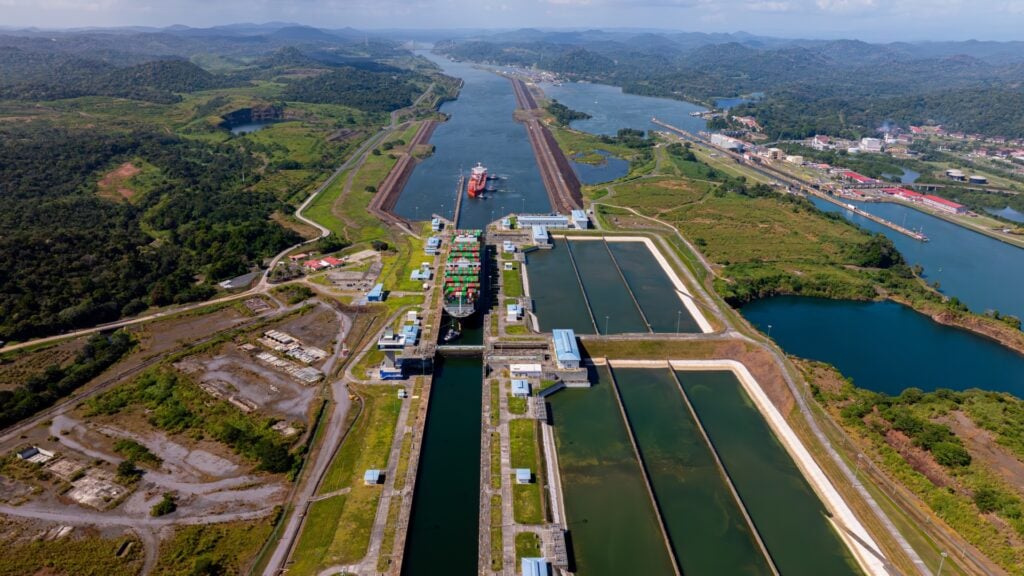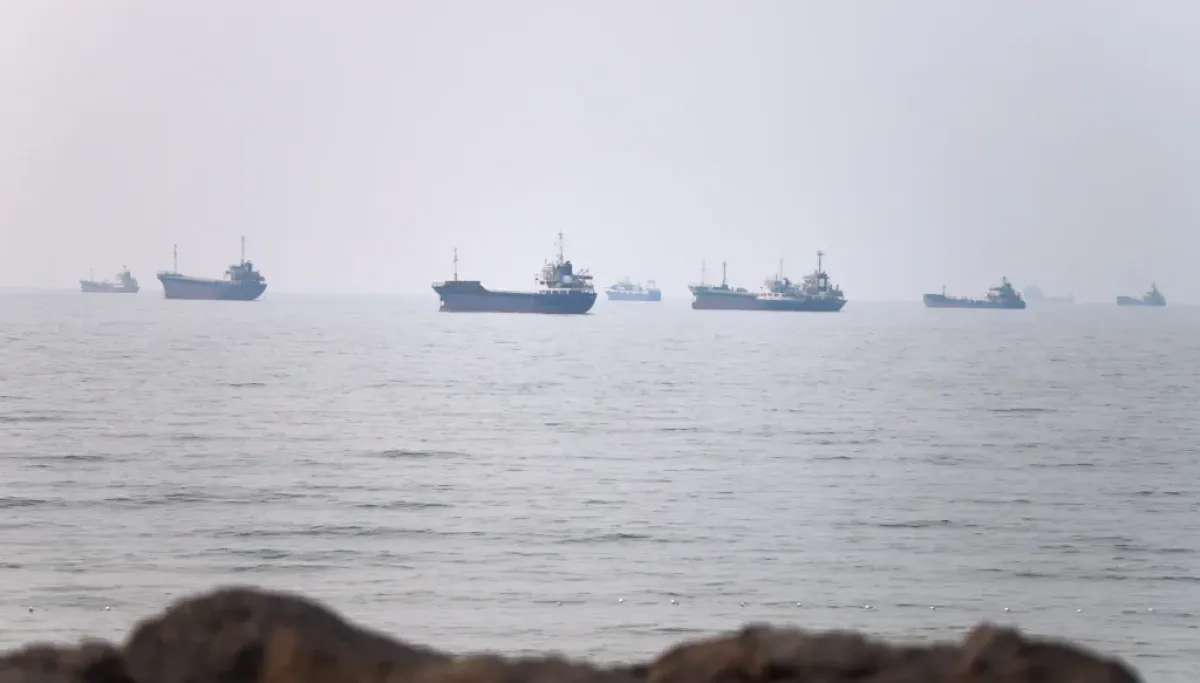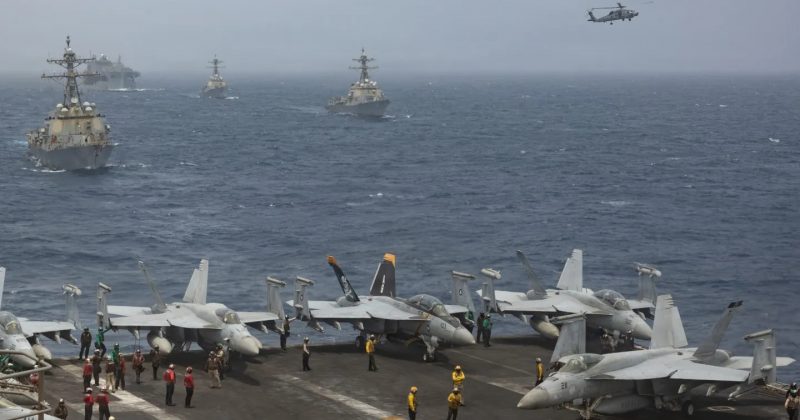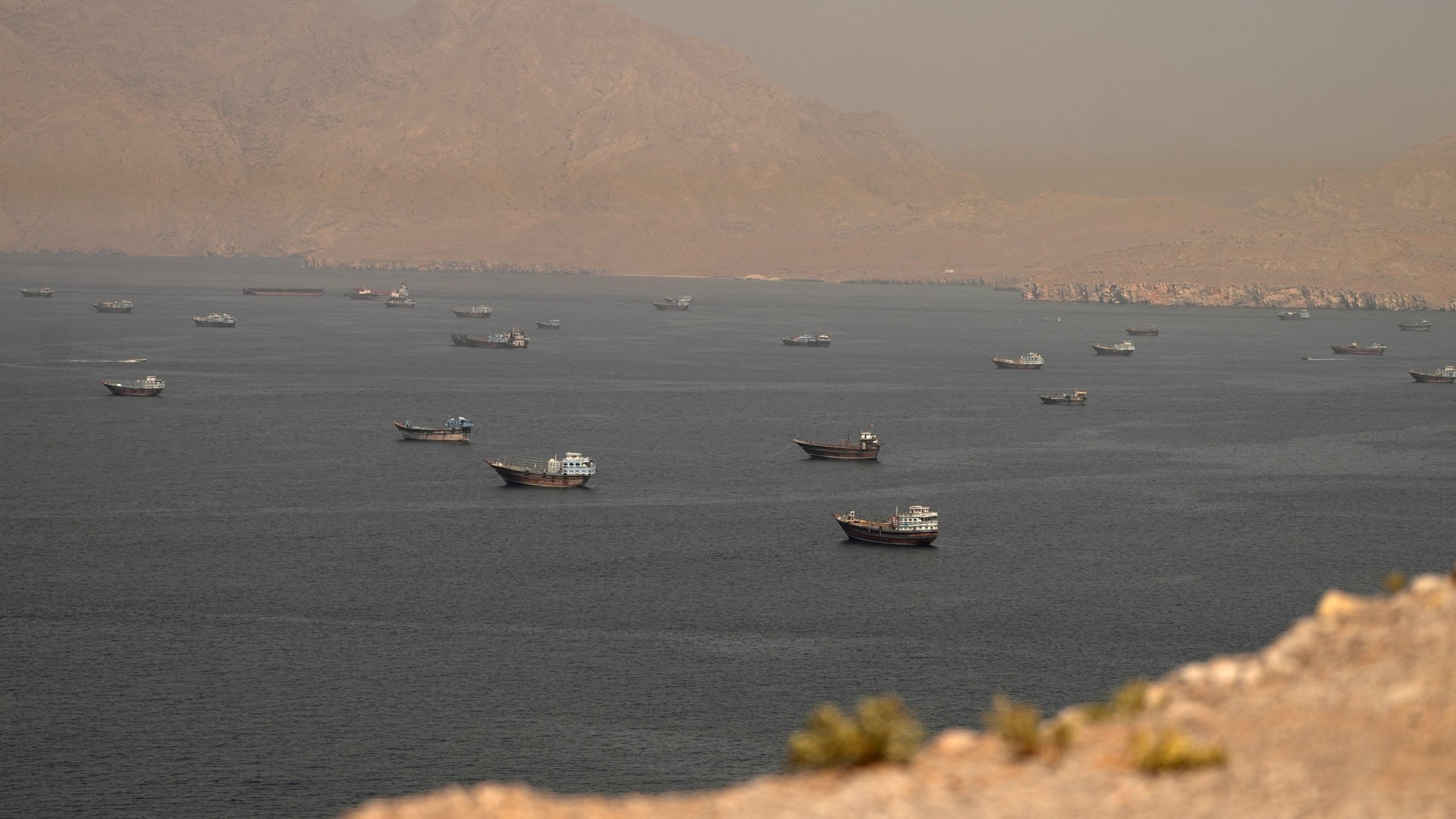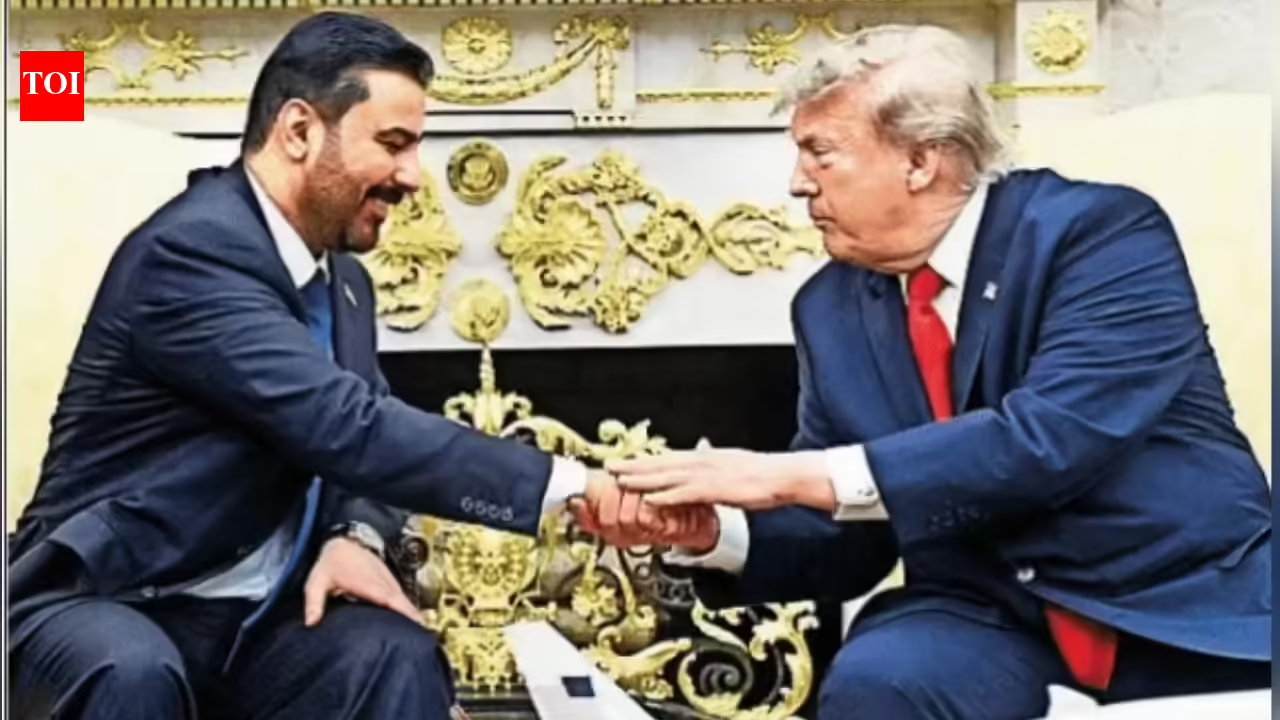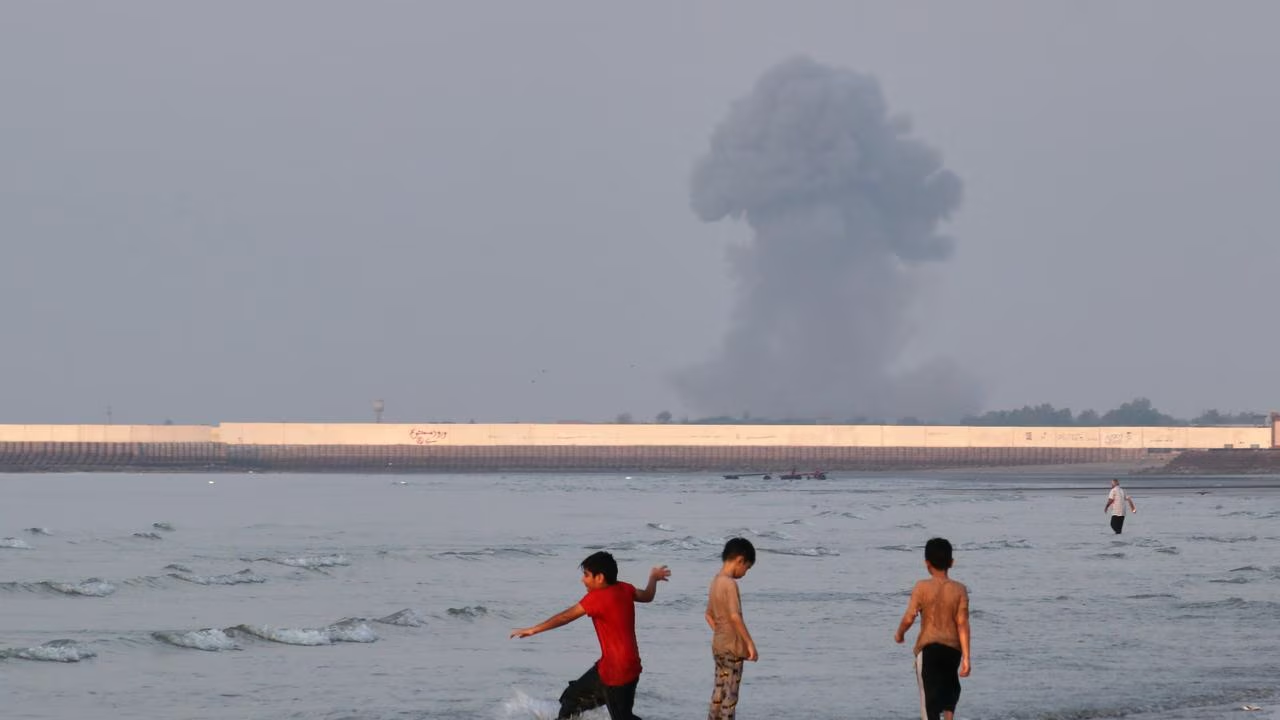
Donald Trump’s proposal to charge a 20 per cent toll on ships crossing the Strait of Hormuz is an “act of desperation” and the worst possible outcome for Australia, a retired diplomat warned.Jane Hardy, who spent 33 years representing Australia overseas, said it was clear the president was infuriated by Iran claiming control of the Strait.“This to me sounds a little desperate. It’s the verbal equivalent of a drone attack and it seems to be uncontrolled,” she told news.com.au.“I don’t know whether Mr Trump has been advised on whether he can do this or should do this, but, clearly he thinks that he can. I do think it’s showing a lot of anger, and grasping at ideas for reasserting the idea that the US is in control. That is fundamental to his own view: He believes it will settle the markets.”She said the US would have to invade and occupy Kharg Island, a strategically important oil processing hub 25 km off the Iranian mainland and controlled by Tehran, or destroy it to gain control of the Strait.Mr Trump said Monday the US was reinstating a blockade of Iranian ports and “taking over” the strait, where it would levy charges of up to 20 per cent on shipping.The president’s declaration came after US and Iran launched attacks of a scale unseen since an April ceasefire in the Middle East conflict, adding to doubts about efforts to bring a permanent end to the war that has curtailed shipping through the strait.Ms Hardy warned this move would not only hurt Aussies at the petrol bowser, but also see our export market collapse. There is also another underlying threat.“I think the biggest effect would be the effect of our great and powerful friend, the United States, our strong ally, flouting international law like this. I think this is another effect on all of us, on all our lives, and all the laws that adhere to international law,” she said.“When a major player like the US openly flouts international law, then it is a danger that we’ll all be affected by others following that example.”This means the erosion of critical United Nations (UN) agencies like the International Maritime Organisation (IMO), whose job it is to ensure the safe and secure passage of shipping through international sea lanes and ports.“We are a trading nation and we do rely on shipping, in particular. If the IMO and other UN agencies lose their authoritative power, then it becomes a Wild West out there and it goes back to a situation before the First World War when the world was organised among great powers who just imposed their will on weaker, smaller countries,” she said.Ms Hardy explained it is “very expensive” to run trade from Australia to north Asian and other large markets without the help of multi-lateral agencies that create and enforce international laws.“Those erosions will create a destabilised world and that is something that a country of Australia’s size and make-up would suffer from because we have been part of this big, international, legal and operational framework, especially for trade, these past 50 years. That would start to erode and we would be worse off for it. Our goods would not necessarily be safe travelling through any strait and our shipping costs would rise inexorably.”‘China will outlast us all’She said China was benefiting massively from the conflict in the Middle East and is faring economically better than many other countries.This is thanks to Beijing’s massive oil and gas reserves and the ability to get goods into the country through alternative means, she said. Despite this, Ms Hardy believes China has a vested interest in seeing international rules surrounding trade remain in place.“China likes order. It has benefitted from the rules-based system. And, China itself is one of the greatest trading nations and does rely on shipping imports to keep its economy going.”But Ms Hardy’s biggest fear is that the US-Iran war will continue for years to come.“I don’t know if it’s going to end. This is the worst-case scenario that it would not end. The worst-case scenario is this tit-for-tat will continue through the years ahead. That will completely change the way the market operates.” But there is a glimmer of hope, Mr Hardy suggests.“The other effect is clearly going to be that countries like China and India and most countries in our region, which are energy-dependent on imports, are going to ramp up their renewable sources and their own sources in their energy production. Technology is helping them rapidly do that and this [war] might just propel it.”On Monday, Mr Trump claimed the Strait of Hormuz was open and would remain open with or without Iran, in a fury-laden post on his Truth Social platform.“We are reinstating the THE IRANIAN BLOCKADE, so named because it is only stopping Iran’s ships or customers from entering or leaving. “All other countries will have fair and open use of the Strait. The U.S.A. will be, from this point forward, known as ‘THE GUARDIAN OF THE HORMUZ STRAIT,’” he wrote.Iran started blocking the strait after the US and Israel launched attacks in late February, which prompted Washington to stop shipping to and from Iranian ports. Those restrictions were eased after the two sides agreed on a memorandum of understanding in June aimed at ending the war. Trump’s remarks Monday appeared to revert to the situation during the depth of the fighting, but with Washington now seeking to extract fees for protecting shipping.The president declared that the US “will be reimbursed, at the rate of 20 per cent on all cargo shipped, for any and all costs necessary to do the job of providing safety and security to this very volatile section of the World. The process and formation will begin immediately.”Iran’s military command insisted Monday it would not allow the US to “interfere” in the key conduit for oil and gas, while also warning its Gulf neighbours - who have borne the brunt of its retaliatory attacks - against cooperating with Washington.Read related topics:Donald Trump
Donald Trump Strait of Hormuz shipping toll plan slammed by Australian diplomat
Donald Trump’s proposal to charge a 20 per cent toll on ships crossing the Strait of Hormuz is an “act of desperation” and the worst possible outcome for Australia, a retired diplomat warned.
1,005 words~5 min read