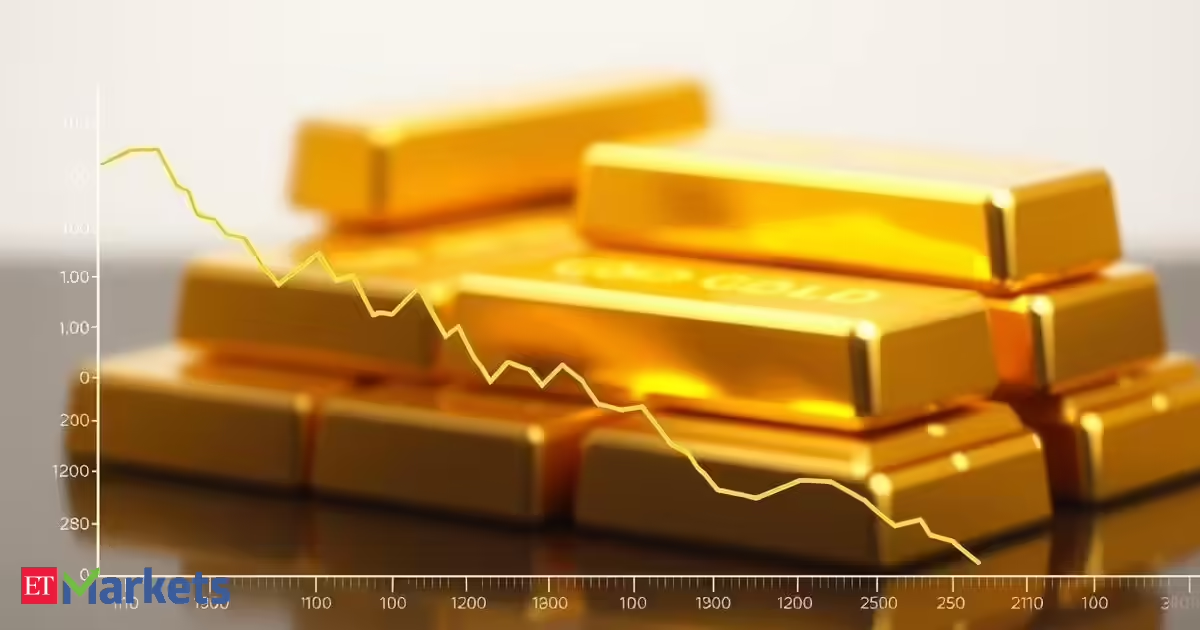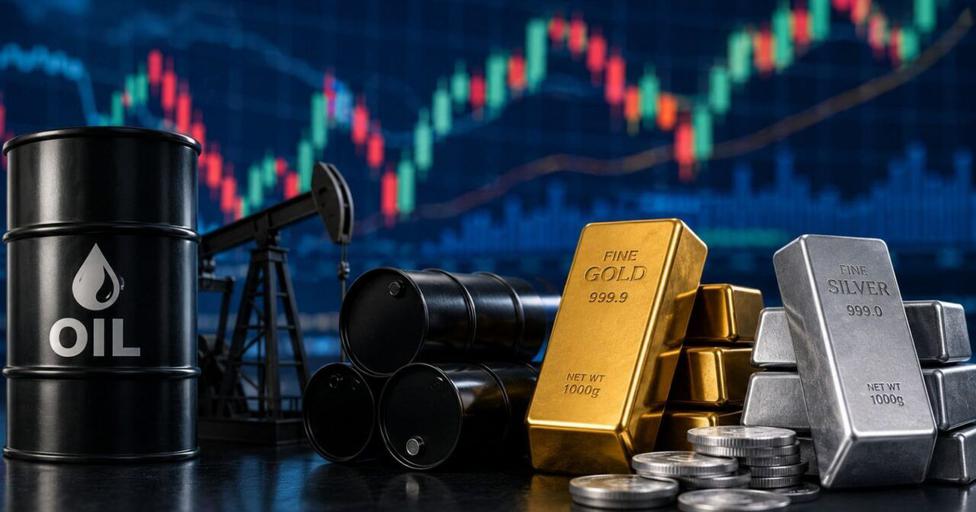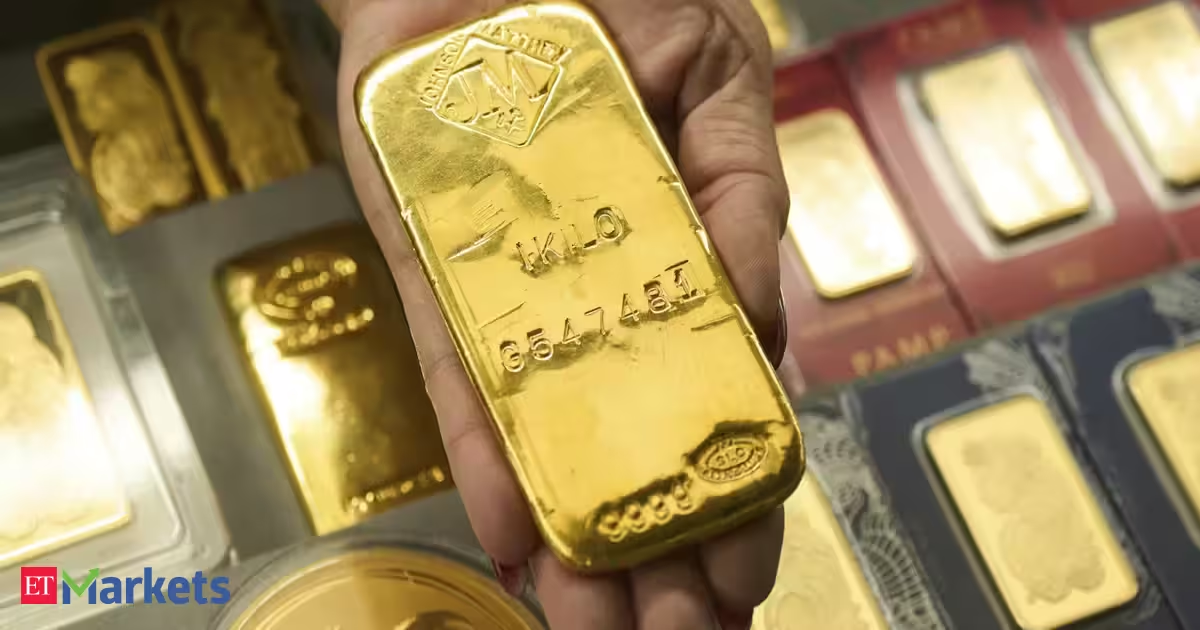
Gold prices have decreased as rising yields and concerns over monetary policy have pressured the precious metal. On July 13, 2026, gold futures fell 1.48% to approximately $4,060 per ounce, reflecting market adjustments to higher real yields and expectations of hawkish Federal Reserve actions. Meanwhile, oil prices have surged due to escalating Middle East tensions, with Brent crude increasing by 4% to $79.26 and WTI reaching $74.53. This divergence in commodity pricing highlights investor repositioning as energy-related inflation fears prompt expectations of possible interest rate hikes by the Federal Reserve. The 30-year Treasury yield’s rise to 4.902% has further diminished gold’s appeal compared to yield-bearing assets.
Key Takeaways
Gold’s price decline suggests market adjustments to rising yields and potential Federal Reserve rate hikes.
The surge in oil prices appears consistent with increased geopolitical tensions, notably in the Middle East.
Market activity reflects concerns over inflation driven by energy costs and its impact on monetary policy expectations.