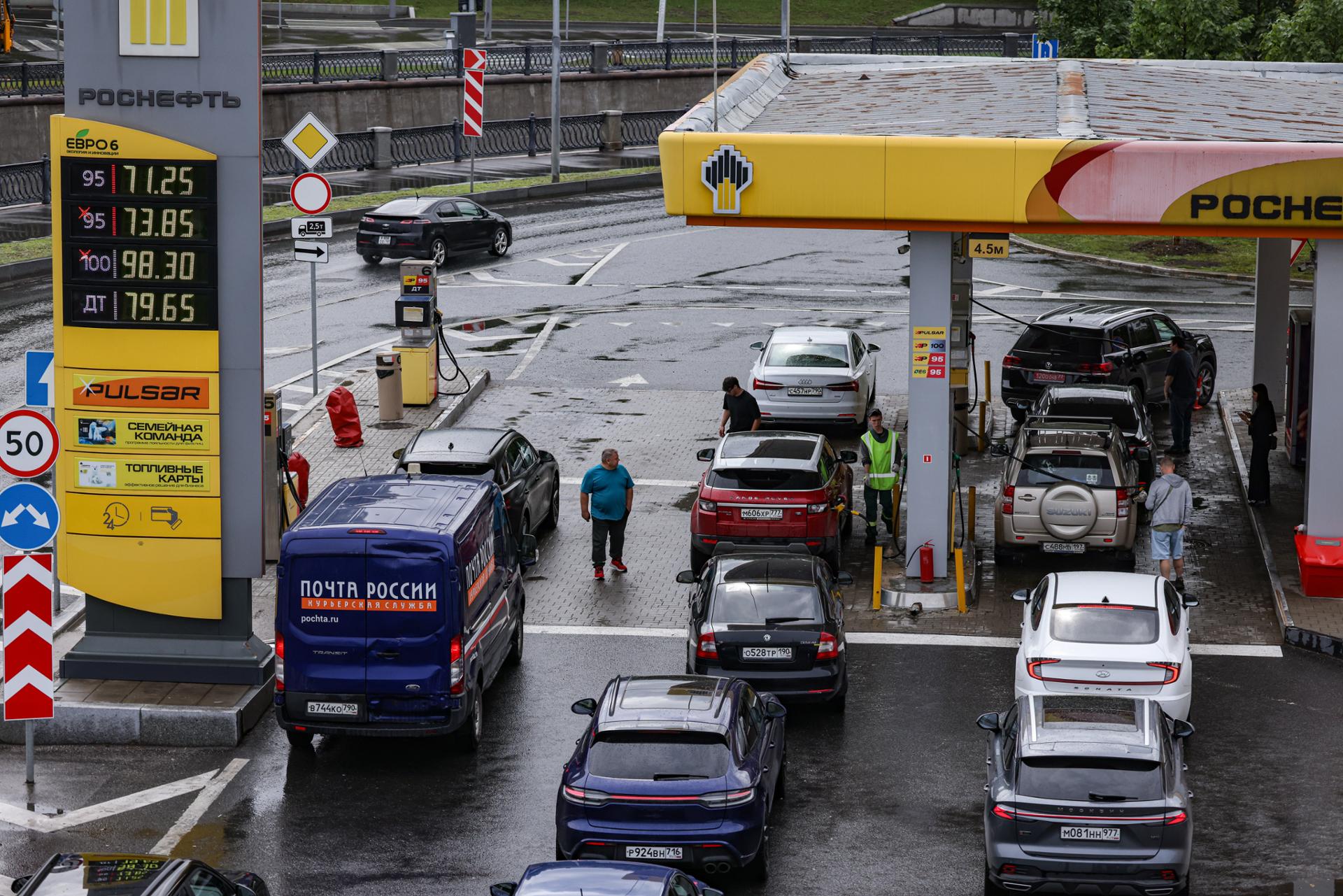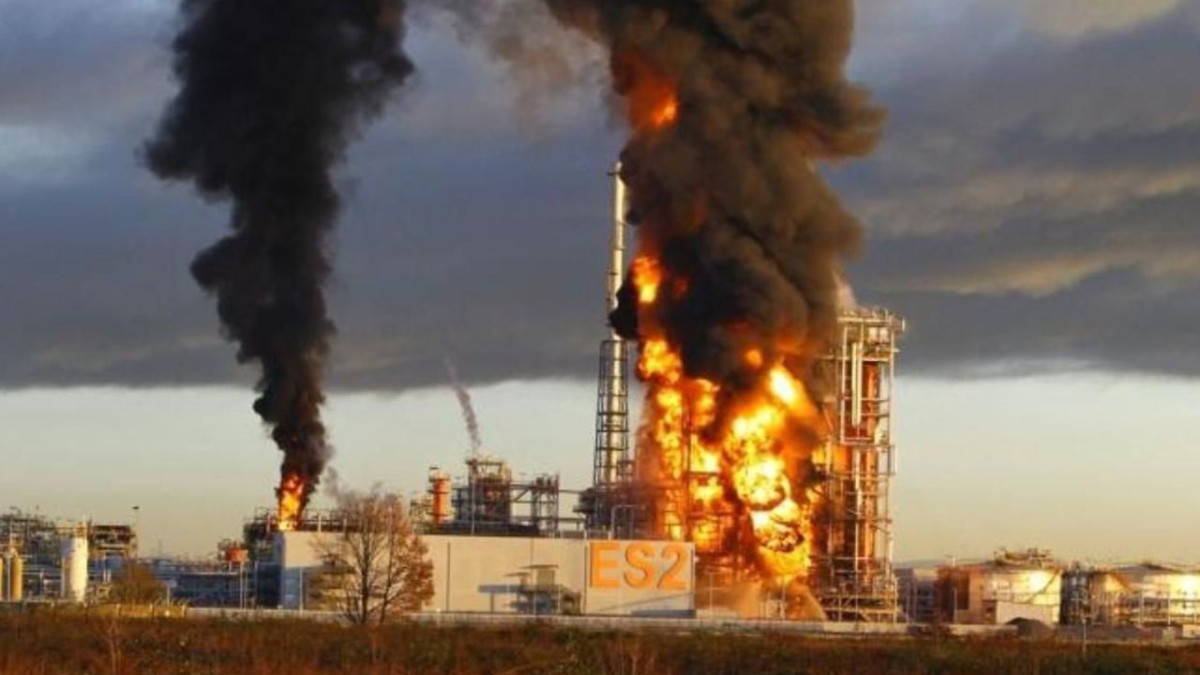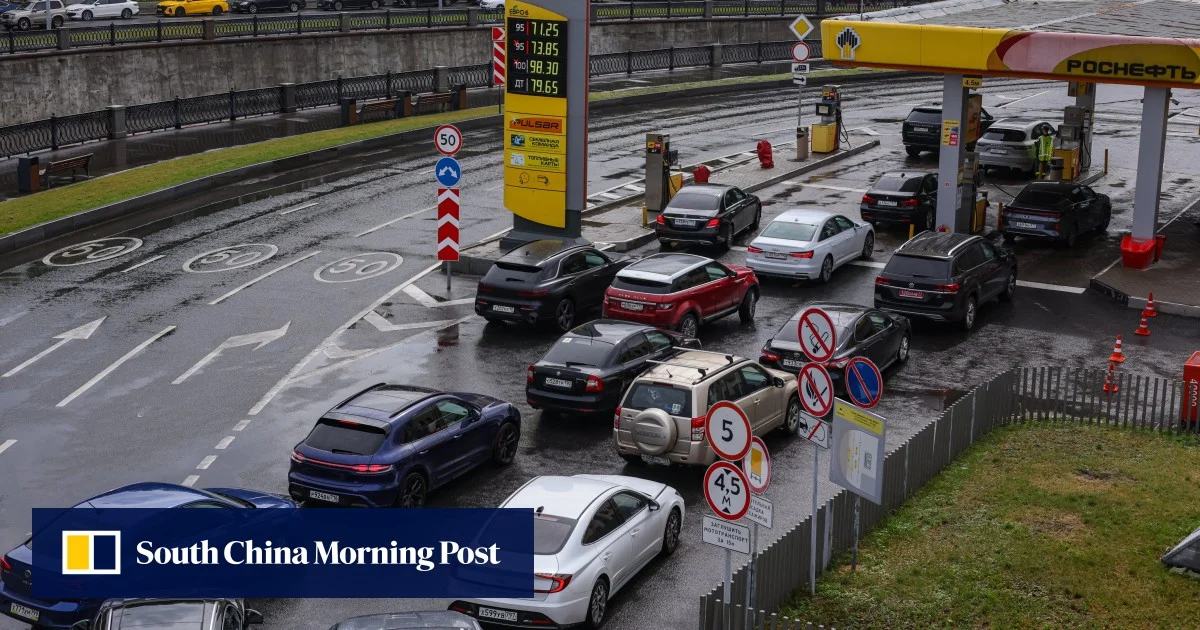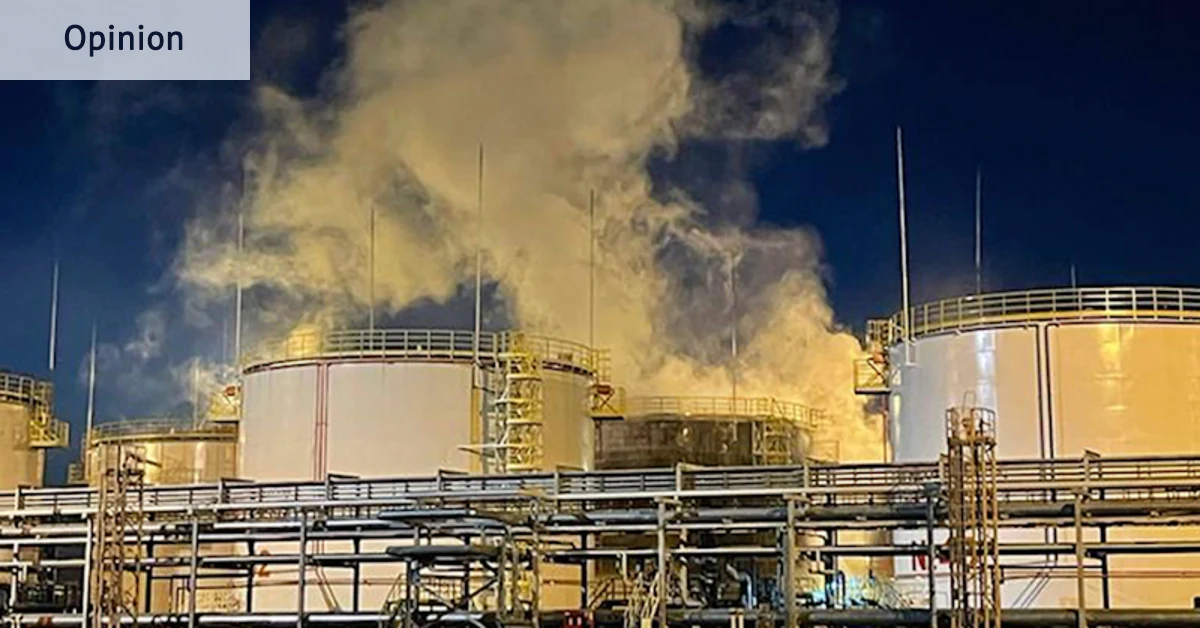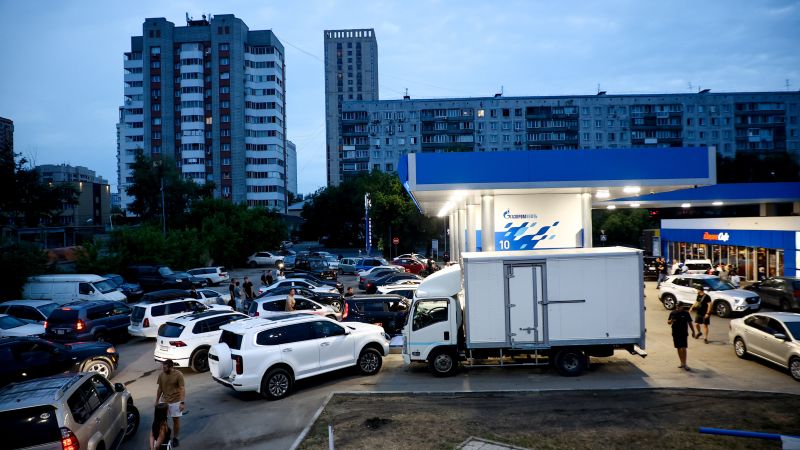
Korean refiners are emerging as key players in the global diesel market following Russia’s recent ban on diesel exports. The ban, effective until the end of July, was prompted by significant disruptions to Russian refining capacity, attributed to Ukrainian drone strikes. This has led to a substantial increase in global diesel prices, jumping 13-14% to over $1,040 per tonne. South Korea, possessing one of the world’s largest refining capacities, is positioned to mitigate the supply gap, especially in Asia and Europe, by leveraging its advanced diesel upgrading capabilities.
In the context of prediction markets, this development is notable due to its potential impact on crude oil prices. The tightening of diesel supplies could contribute to upward pressure on crude oil, with markets currently reflecting increased probabilities of oil reaching new all-time highs. The probability of crude oil hitting a new high by September 30 has risen to 7.8%, up from 5% just 24 hours earlier. Similarly, the December 31 market shows a 14.5% probability for the same outcome, indicating that market participants are increasingly factoring in potential supply shocks.
These shifts in market probabilities are occurring amid broader geopolitical tensions, including those in the Strait of Hormuz, which further complicate global energy transit and supply stability. The developments appear to be consistent with scenarios where oil prices could see significant increases in the near term.