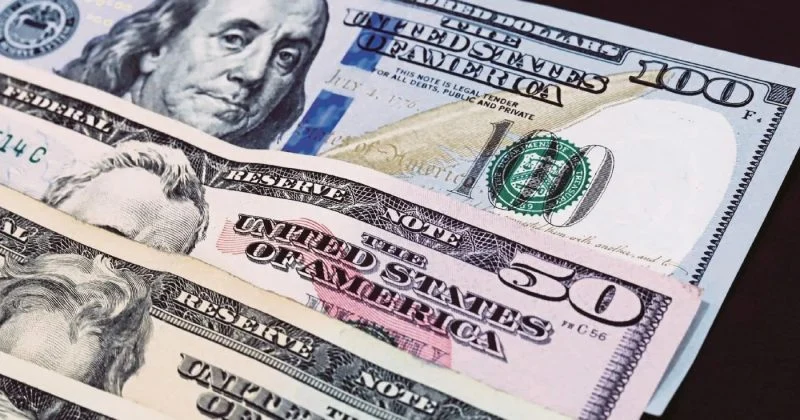
Currency markets are doing what they always do before a big number drops: holding their breath. The US dollar steadied against most major currencies on July 14, 2026, as traders waited for the Bureau of Labor Statistics to publish June’s Consumer Price Index data at 8:30 a.m. ET. The number matters because May’s CPI reading came in at 4.2% annually, a figure that kept the Federal Reserve’s options firmly on the table.
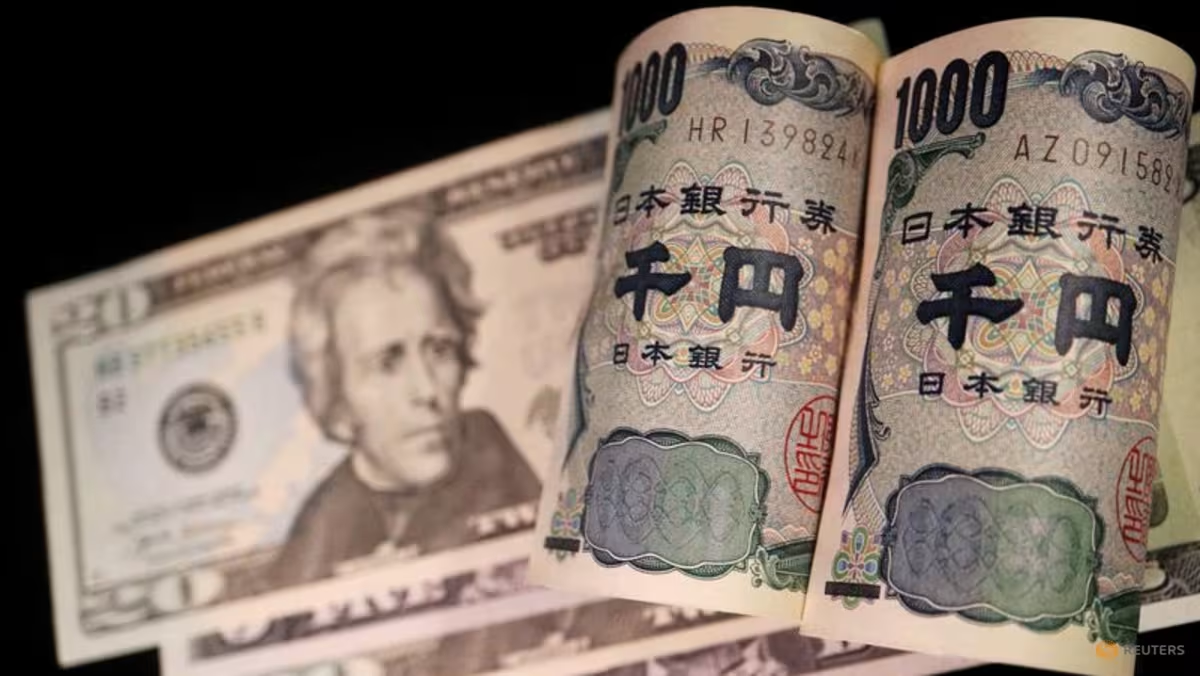
While dollar holders sat relatively comfortable, the Japanese yen was having a considerably worse morning. USD/JPY traded in a range between roughly 162.07 and 162.42, levels that represent the weakest position for the yen in approximately 40 years.
Why the yen is in trouble
On one side, the Bank of Japan has maintained an accommodative monetary policy, keeping rates historically low while central banks in the US and elsewhere have tightened aggressively. On the other side, geopolitical tensions in the Middle East are pushing crude oil prices higher, which is bad news for Japan, a country that imports nearly all of its energy.
Rising oil prices feed directly into Japan’s import bill, widening its trade deficit and reducing demand for yen in global markets. At the same time, those same geopolitical risks are pushing investors toward safe-haven assets, and in this particular storm, the dollar is winning that race.