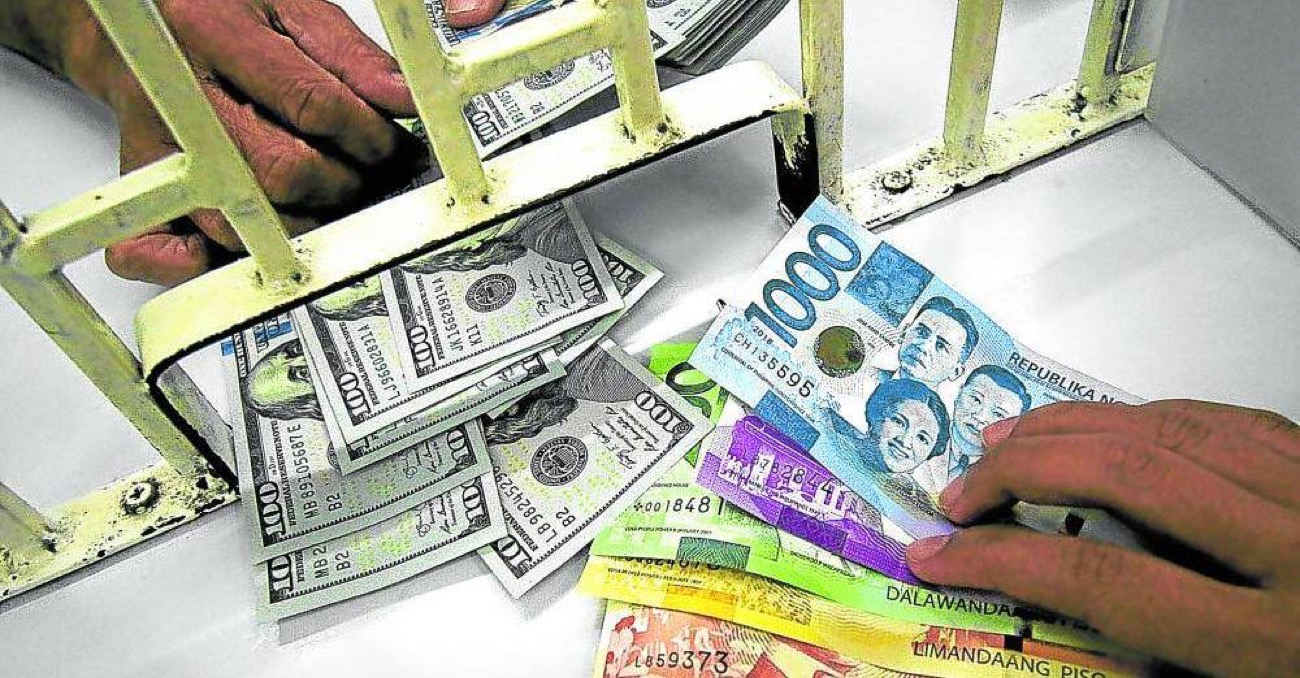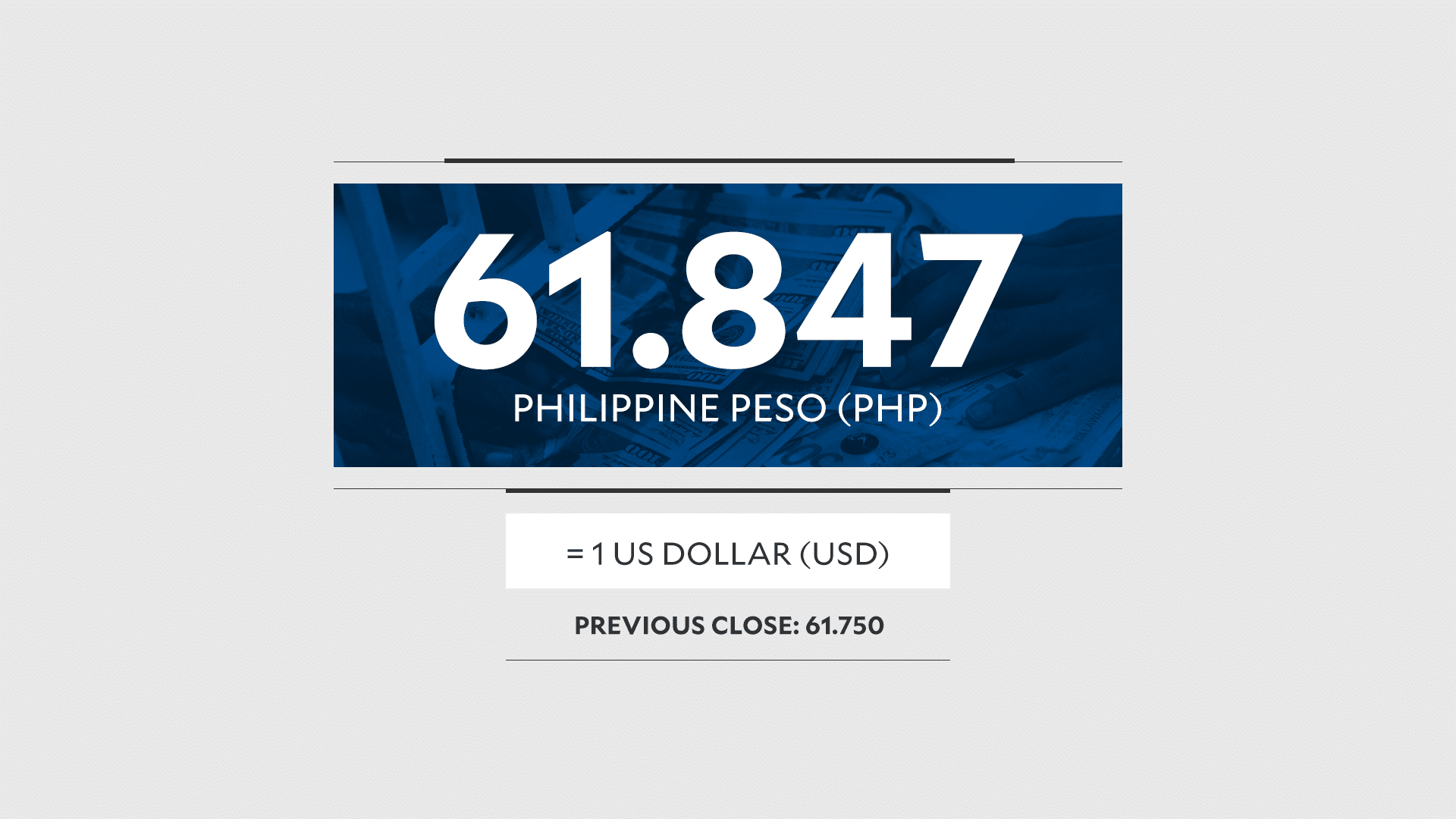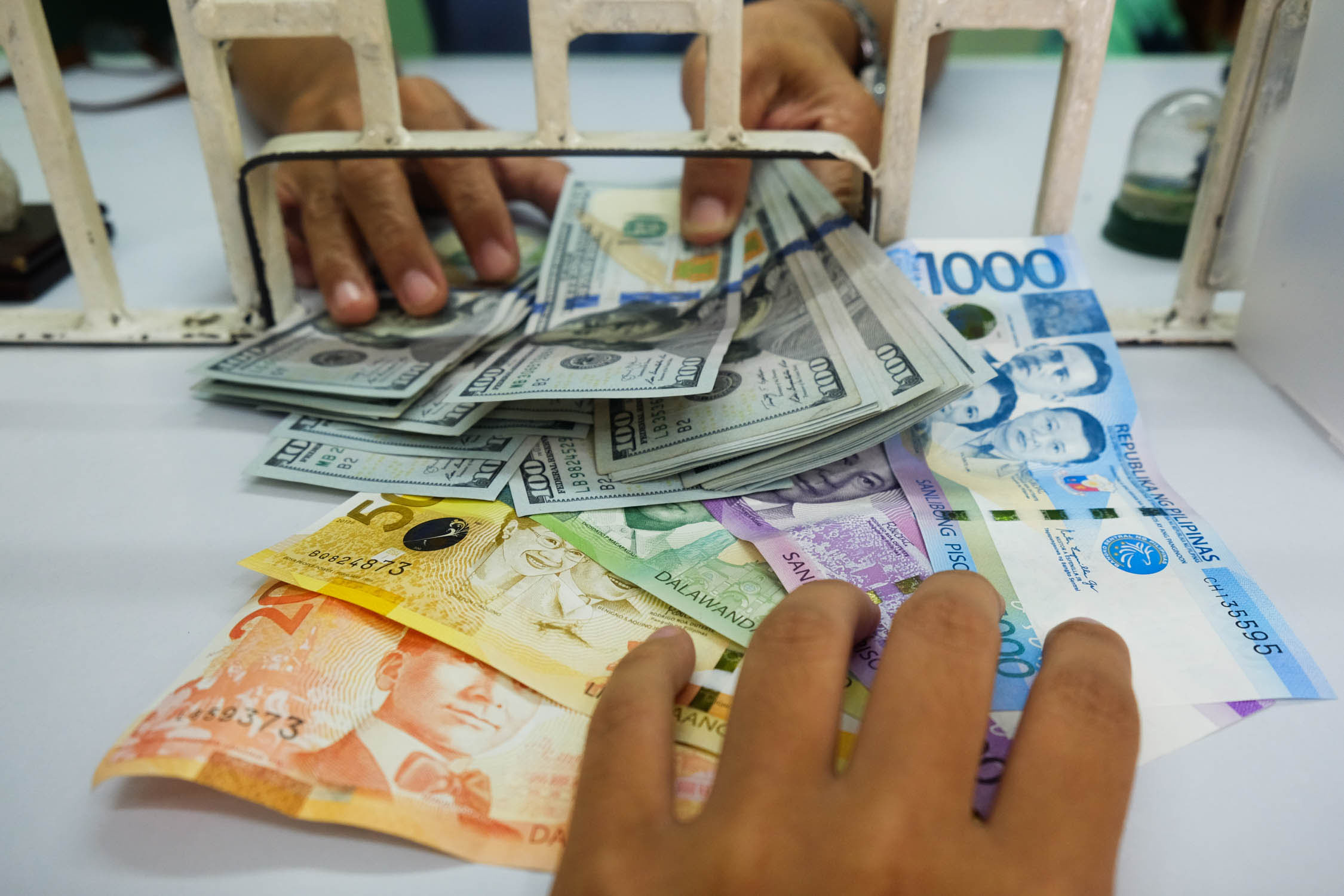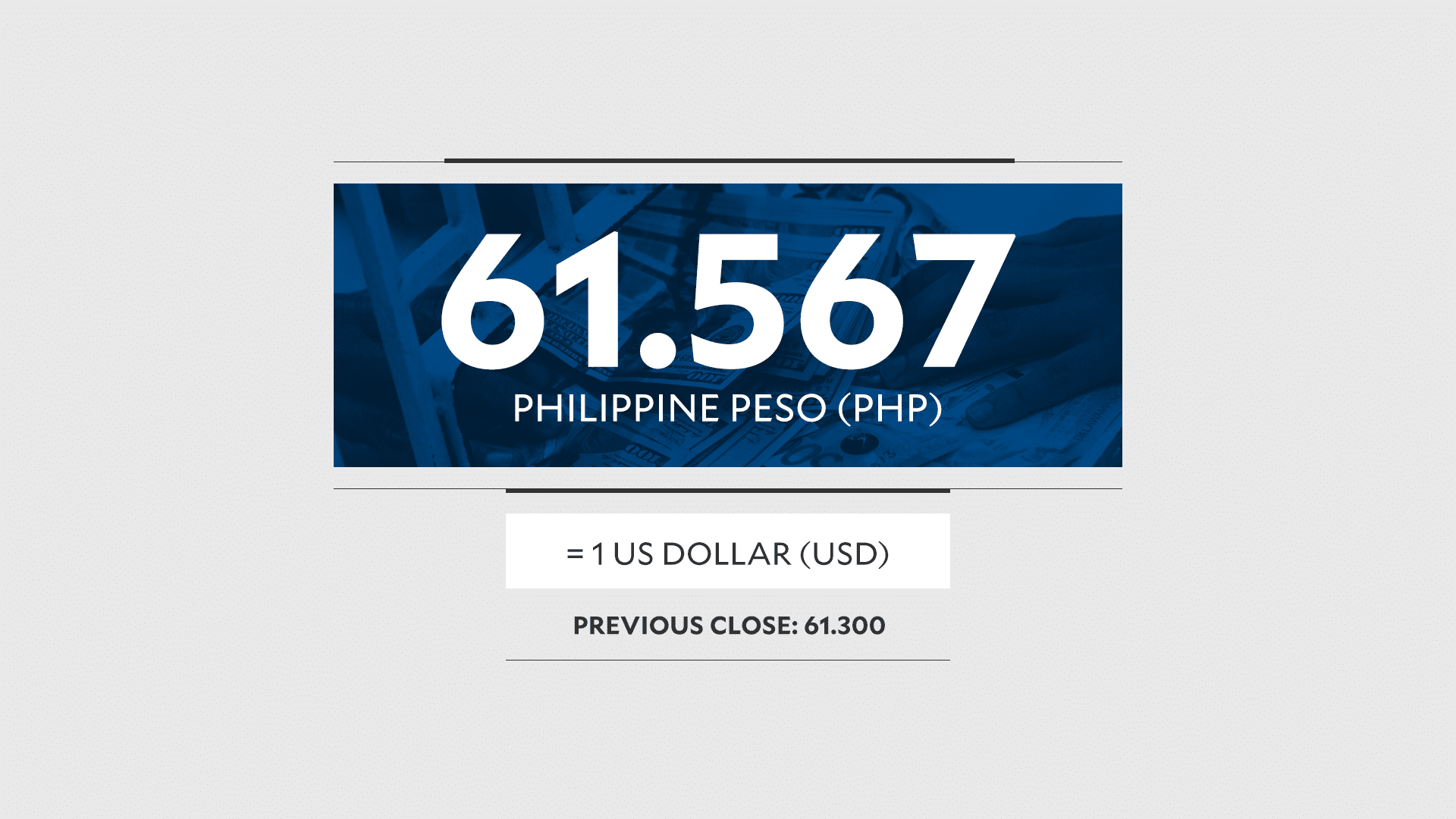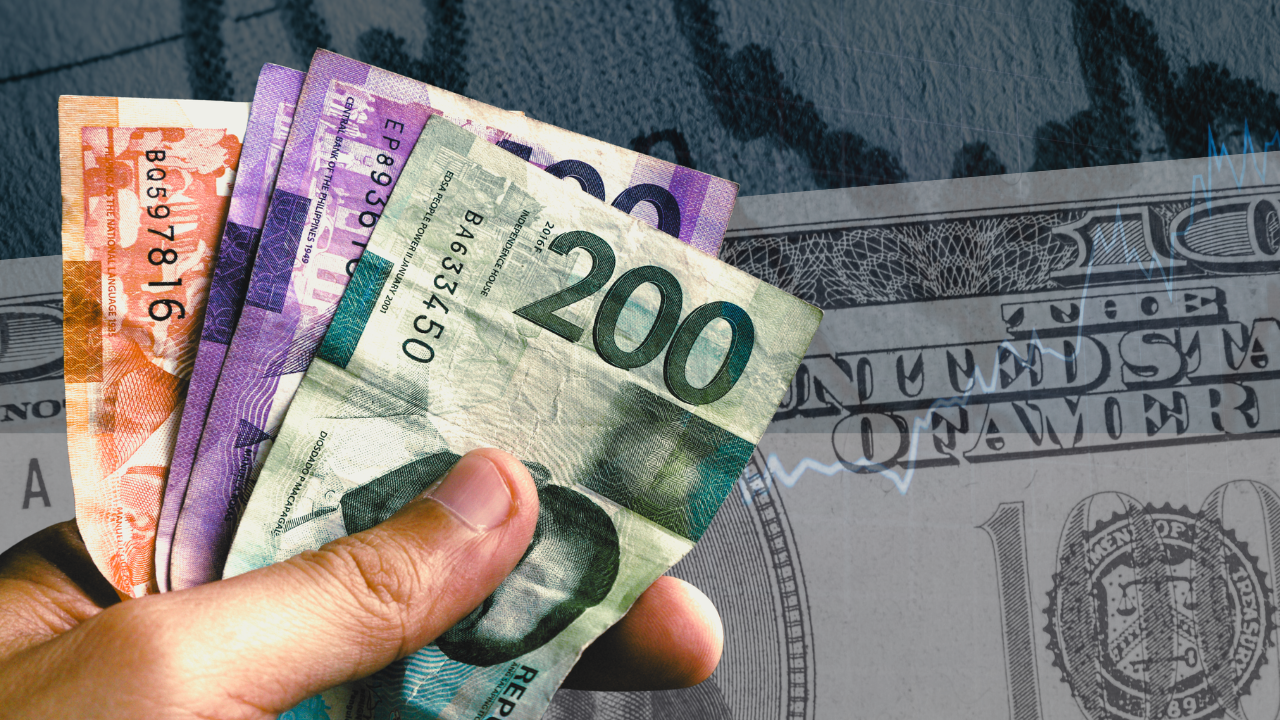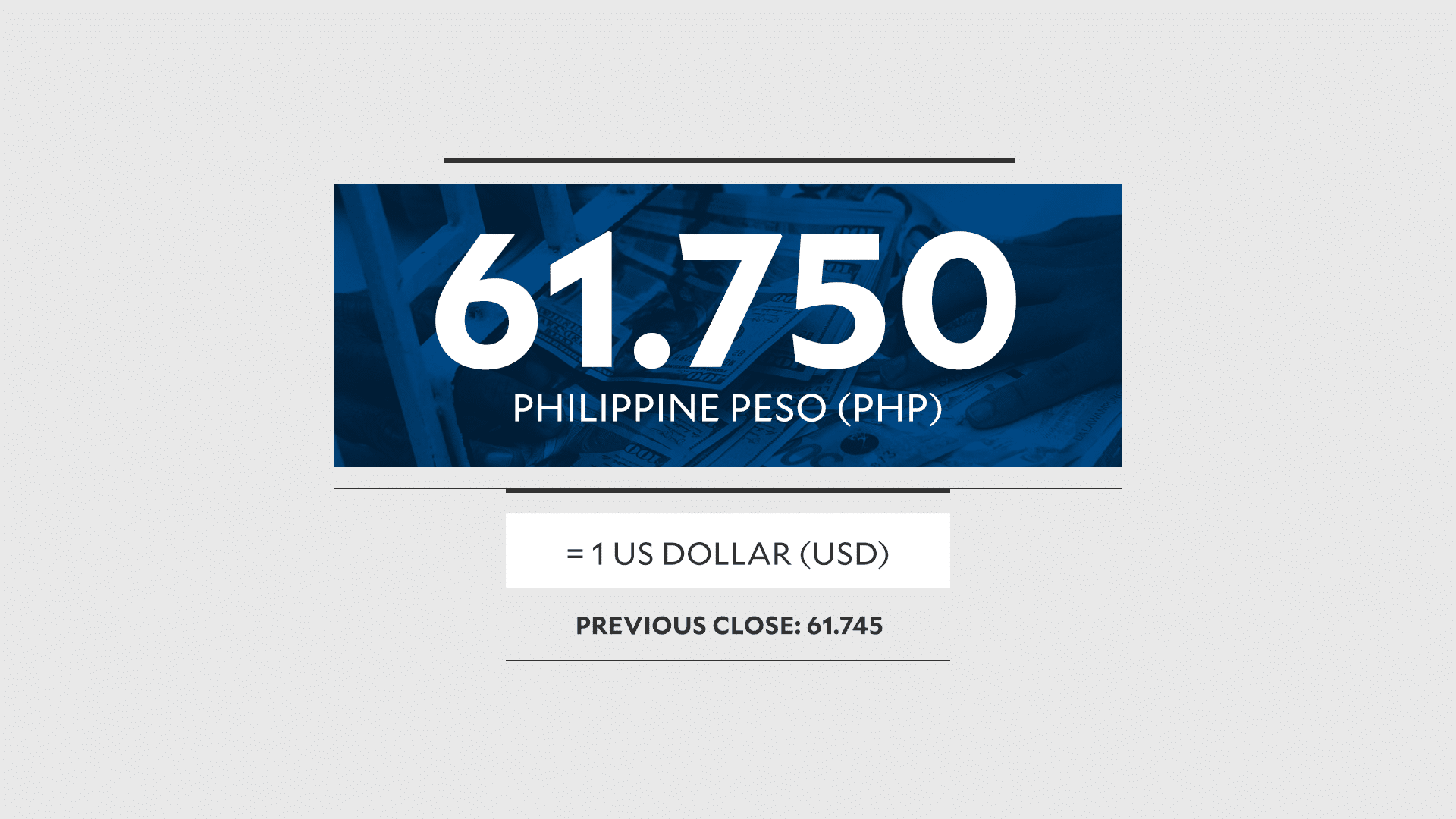
The Philippine peso is nearing a record low against the US dollar, in the range of ₱61.59–₱61.72, as oil prices continue to rise. West Texas Intermediate (WTI) crude oil futures have surged by 4.69% to $74.76 per barrel, significantly increasing the cost of imports for the Philippines, a net importer of oil. The depreciation of the peso, which has fallen from ₱59.22 per US dollar in December 2025 to over ₱61 by April 2026, coincides with geopolitical tensions such as the ongoing Iran war, which have contributed to fluctuating energy markets. The Bangko Sentral ng Pilipinas (BSP) has so far limited its interventions to addressing inflation-driven volatility rather than defending a specific exchange rate level.
Key Takeaways
The Philippine peso’s decline appears to be driven by rising global oil prices, which have increased import costs for the country.
Markets seem to interpret the peso’s depreciation as consistent with expectations of further oil price increases.
The Bangko Sentral ng Pilipinas has focused on tempering volatility rather than directly defending the peso’s value.