Uber has spent the last year quietly pushing beyond the two businesses most people associate it with. There’s ride-hailing, of course, and delivery, but spend time in the app and you’ll now find hotel bookings powered by Expedia, “shop for me” concierge features, and boat rentals in Europe.
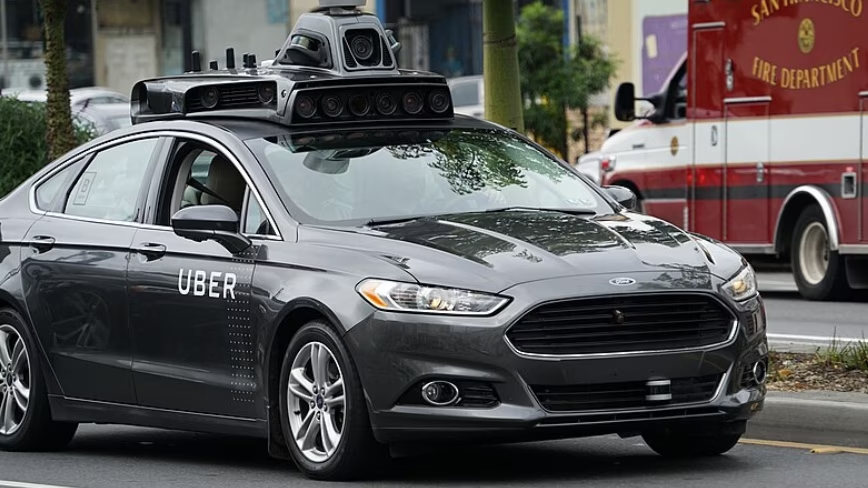
Under the hood, so to speak, there’s also a lot happening. Think debit cards for drivers, a data-labeling side hustle for these same earners looking to make more moolah, and a six-month-old, business unit called AV Labs, which is developing a fleet of sensor-equipped vehicles that’s separate from Uber’s regular driver network and designed to gather ever-larger amounts of driving data. Uber frames the initiative as a way to strengthen its relationships with autonomous vehicle partners, several of which it also holds equity in, but it sure looks like a hedge, as well. Uber competes directly with some of those same partners, with Waymo chief among them, and owning the data layer gives Uber both some leverage and optionality.
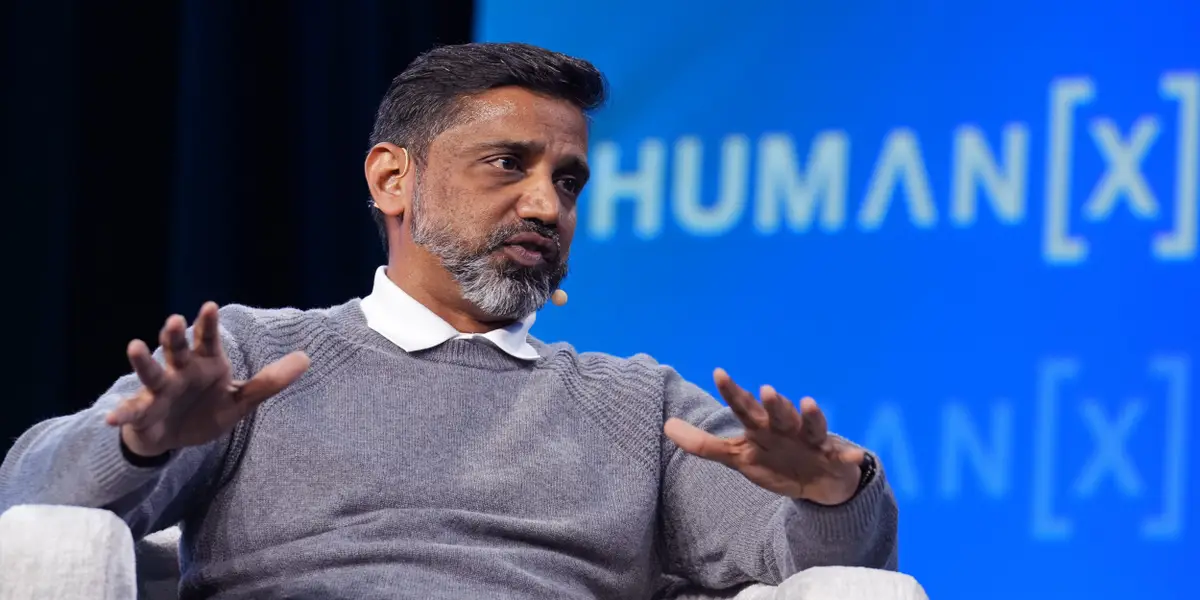
Whether Uber becomes a full-blown “everything app” similar to some Asian super-apps like Grab, remains an open question. But in this conversation, Uber Chief Product Officer Sachin Kansal walks TechCrunch through the company’s financial-services ambitions, its increasingly complicated relationship with Waymo, its new AV Labs data operation, and how AI is starting to show up in ways riders and drivers will actually notice.