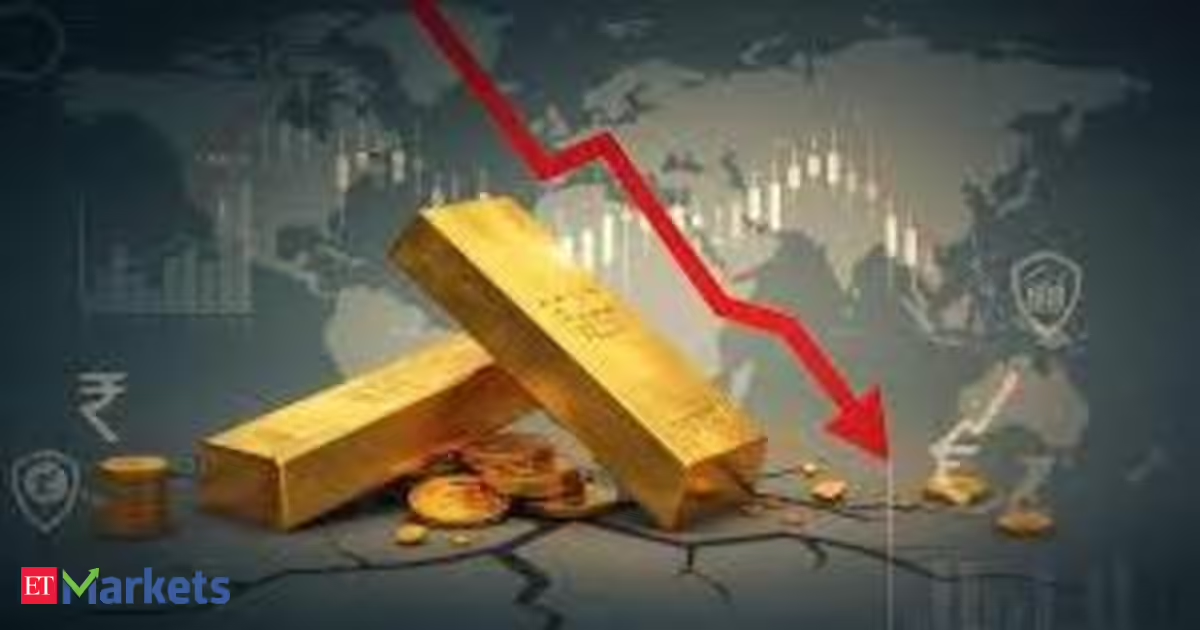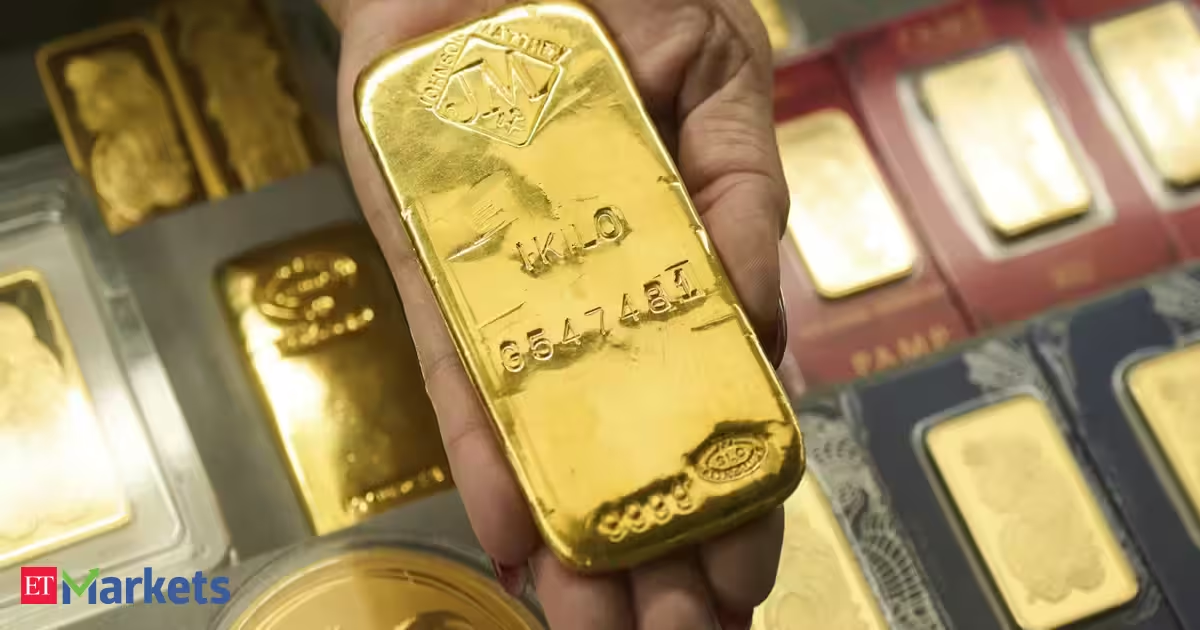
Gold is having a rough go of it lately, and the reasons are piling up fast. A combination of hawkish signals from US officials and simmering tensions in the Strait of Hormuz has pushed rate hike expectations higher, dragging the precious metal lower in the process.
Here’s the thing about gold: it doesn’t pay interest. When the cost of holding dollars rises, the opportunity cost of sitting in gold rises with it.
Two pressures, one direction
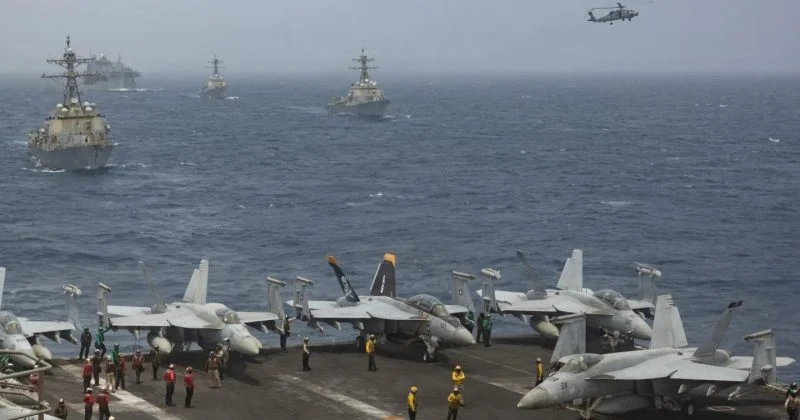
The Strait of Hormuz is one of those places that sounds abstract until it isn’t. Roughly 20% of the world’s oil supply passes through that narrow corridor between Iran and the Arabian Peninsula. When tensions flare there, oil markets feel it first, and the ripple effects spread quickly into inflation expectations and, by extension, monetary policy bets.
That’s exactly what’s happening now. Escalating tensions in the region have stoked fears of supply disruptions, which feed into inflation concerns. Inflation concerns, in turn, give the Federal Reserve more reason to keep rates elevated or push them higher still.