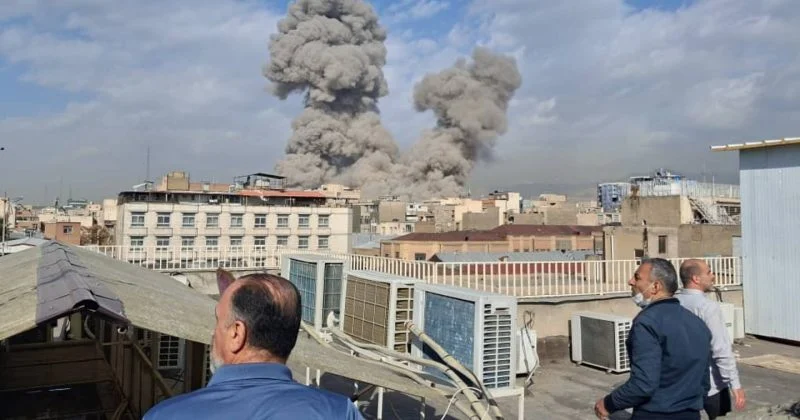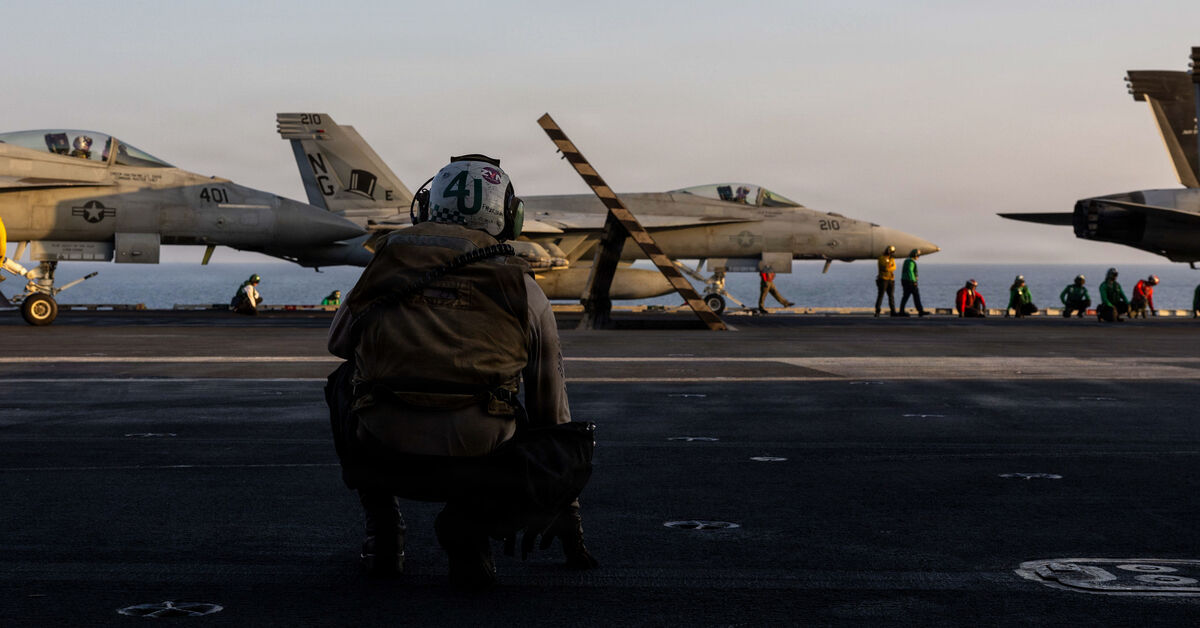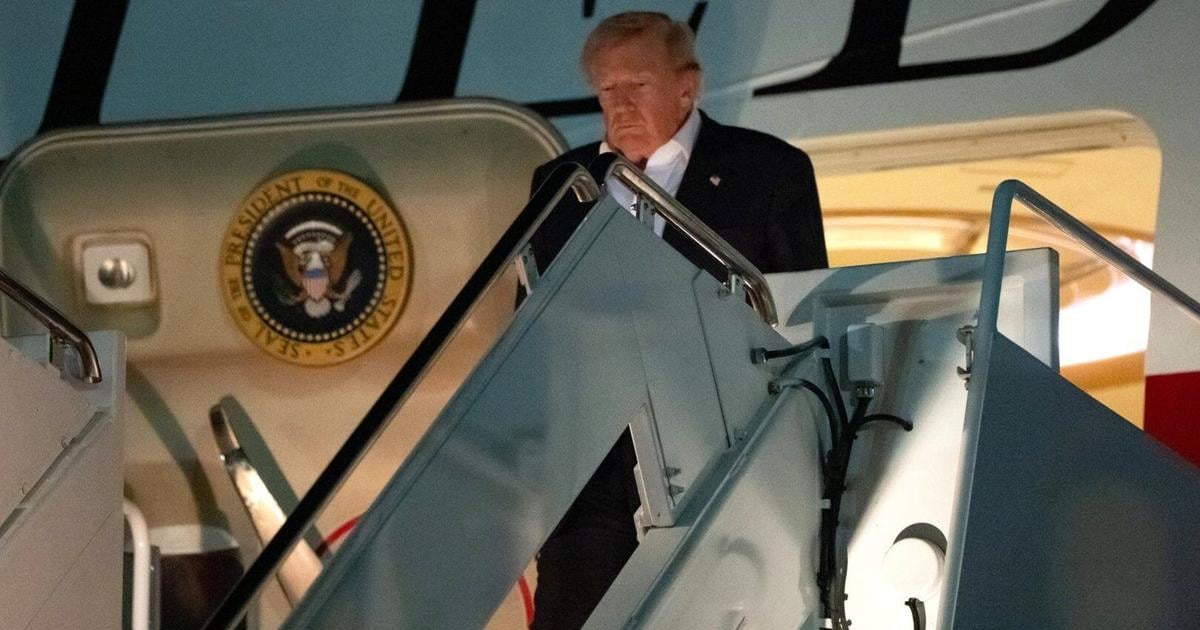
The United States has launched new airstrikes in Omidiyeh, Iran, even as President Donald Trump suggested that a deal with Tehran remains on the table. This development follows a pattern of intensified military action in response to alleged Iranian violations of a ceasefire agreement, which was initially established to reduce tensions in the region. The strikes are part of broader efforts by the U.S. to curtail Iran’s military capabilities, particularly in disrupting maritime activity in the Strait of Hormuz. Market participants appear to see the escalation as increasing the likelihood of instability in Iran, potentially affecting the regime’s future.
The market assessing the potential fall of the Iranian regime by the end of 2026 has seen a noticeable rise in the probability of a YES outcome, currently priced at 9.5%. This reflects a growing sentiment that recent military actions could lead to increased instability within the country. The possibility of diplomatic negotiations remains uncertain, with ongoing discussions in Qatar showing little progress amid continued hostilities.
Key Takeaways
The latest U.S. airstrikes in Iran suggest heightened instability, consistent with increased YES pricing for regime change.