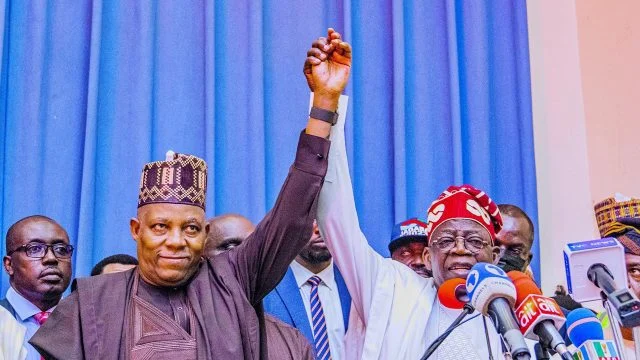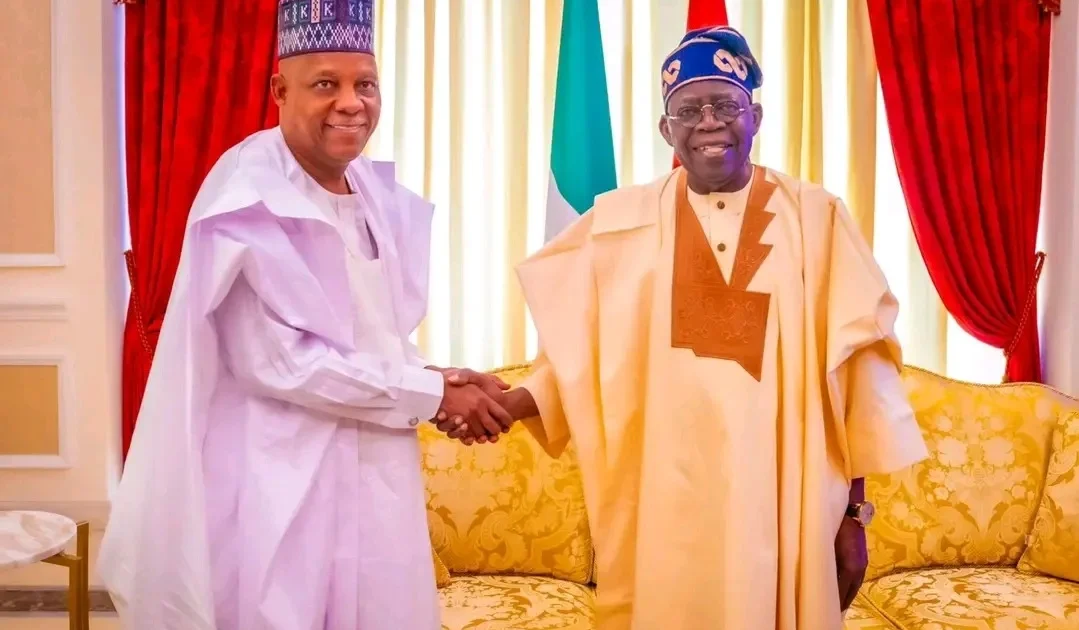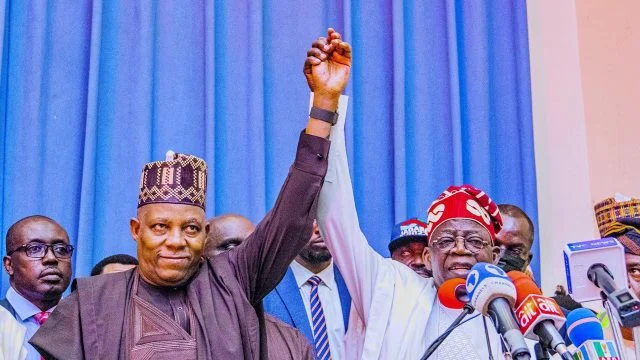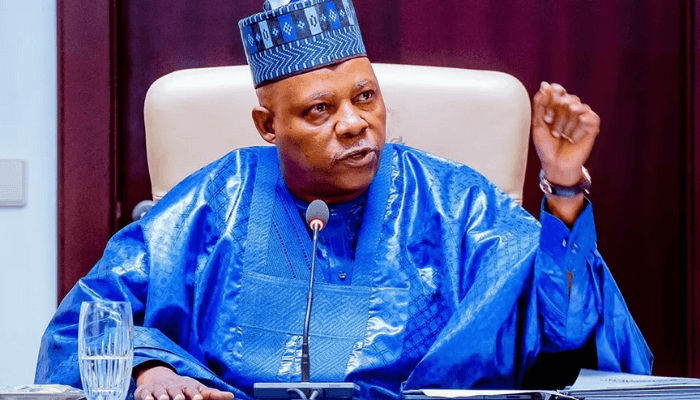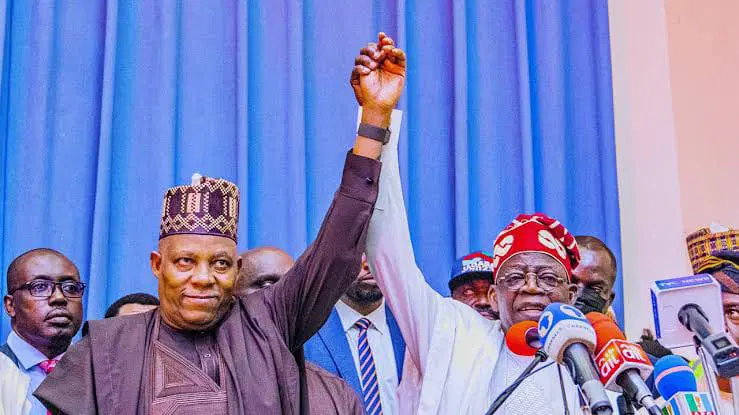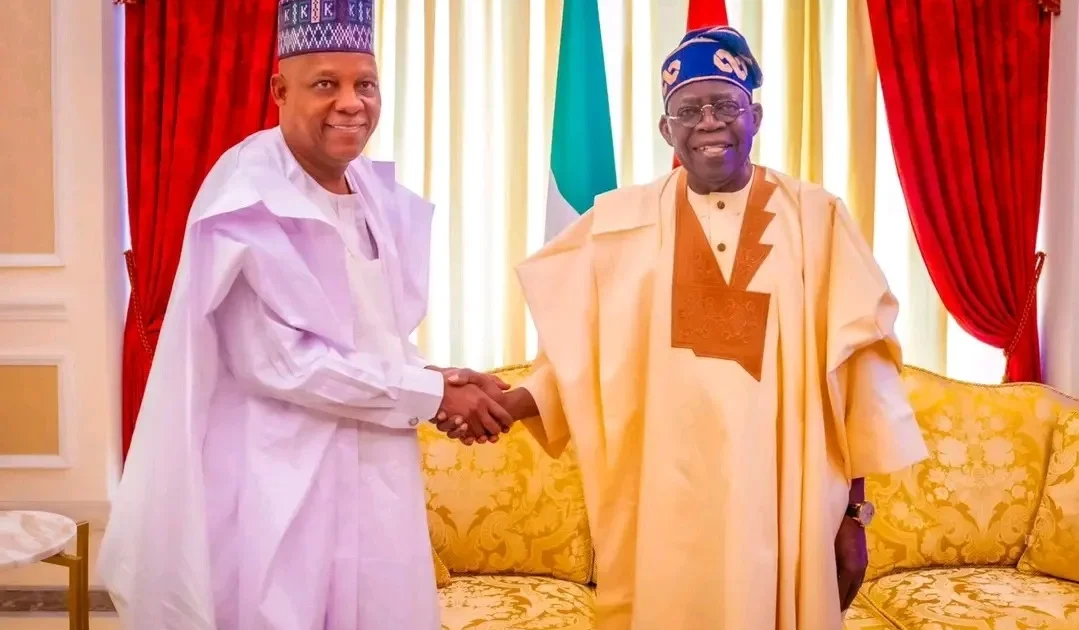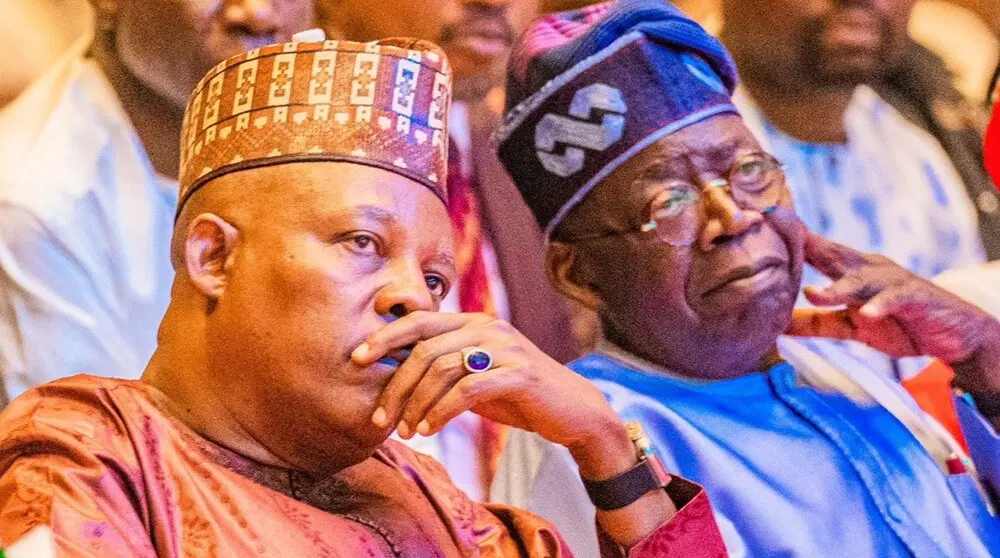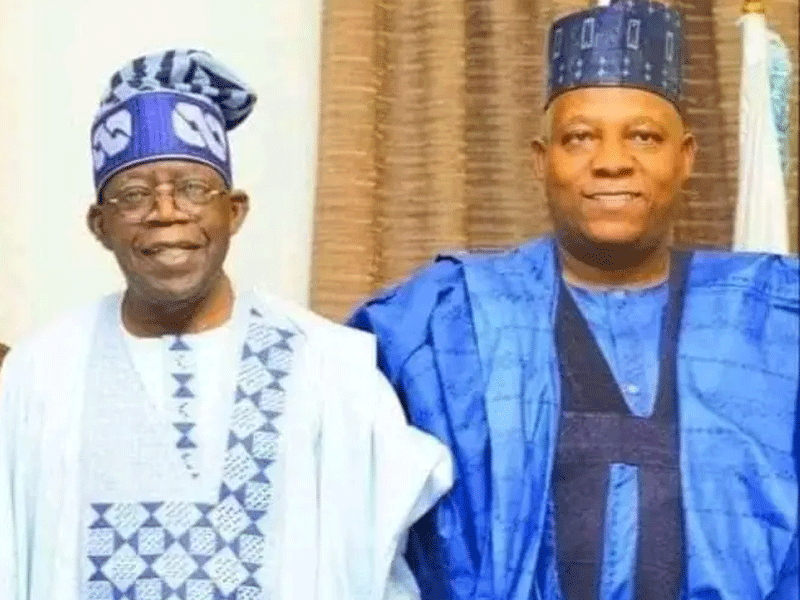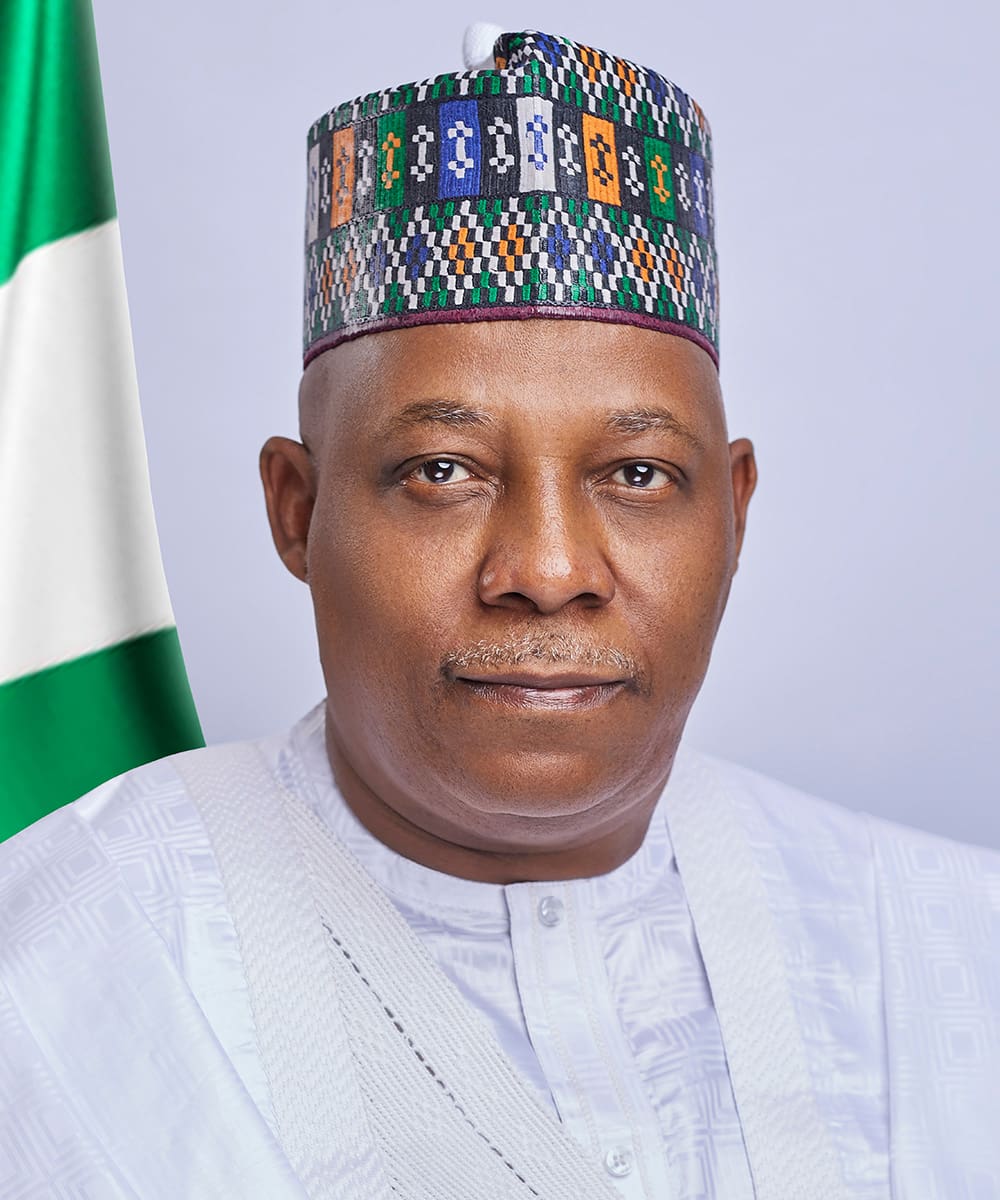
President Asiwaju Bola Ahmed Tinubu’s decision to retain Vice President Kashim Shettima as his running mate for the 2027 presidential election is both a political and strategic calculation. Rather than introducing uncertainty into an already established political partnership, the President has chosen continuity; a decision that reflects the realities of Nigeria’s electoral politics, geopolitical balancing, and coalition-building.
Politics, particularly presidential politics in Nigeria, is rarely driven by sentiment. It is fundamentally about numbers, alliances, regional interests, and electoral strategy. Every major decision is weighed against one overriding objective: securing the broadest possible coalition needed to win an election. Viewed from that perspective, retaining Shettima was arguably the most pragmatic option available to the President.
One of the most immediate advantages of the decision is that it effectively closes the chapter on the controversy surrounding the Muslim-Muslim ticket. Ahead of the 2023 presidential election, the APC’s decision to field two Muslim candidates generated widespread debate, especially among many Christians who expressed concerns about religious inclusion and national balance.