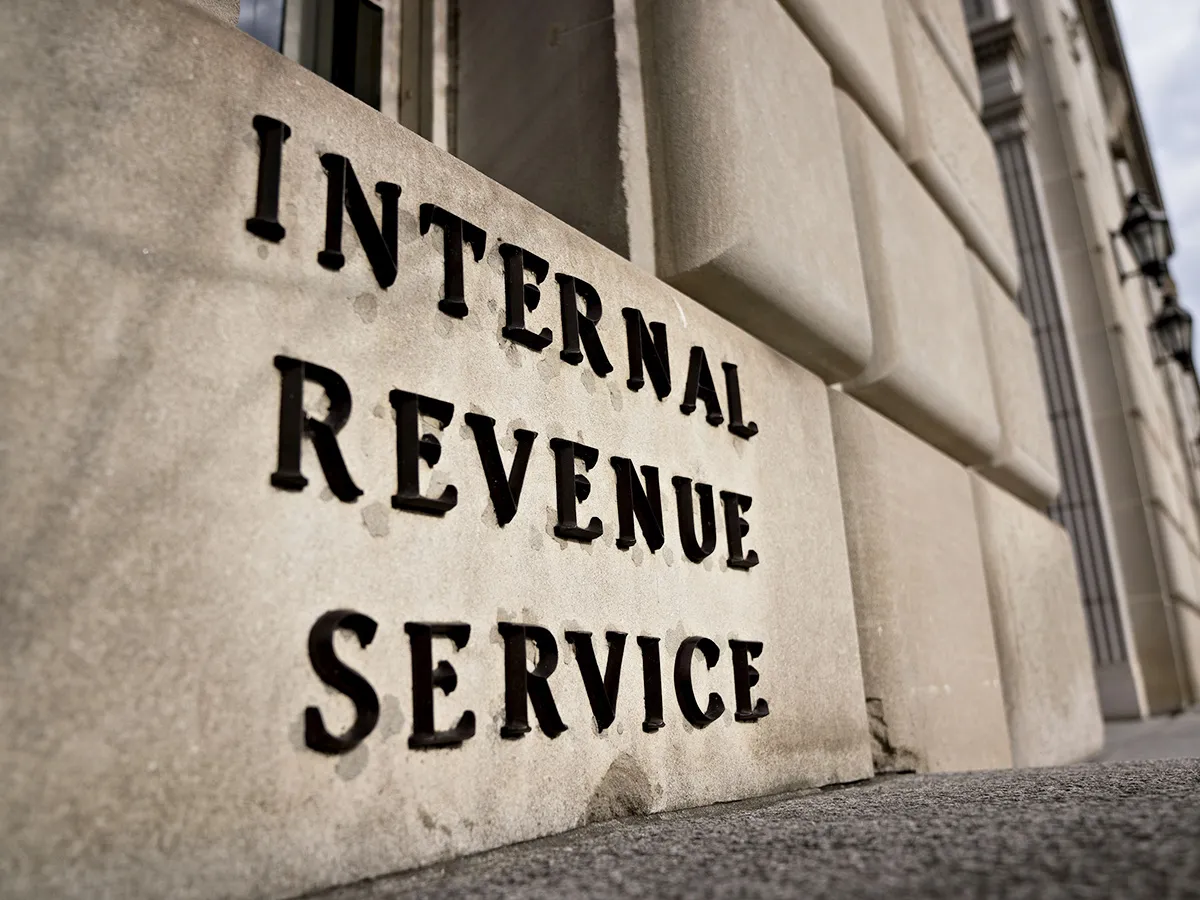
Skip to Content Subscribe Our Offers My Account Manage My Subscriptions FAQ Newsletters Canada Canadian True Crime Canadian Politics Health World Israel & Middle East Financial Post NP Comment Longreads Puzzmo Diversions Comics NP News Quiz New York Times Crossword Horoscopes Life Eating & Drinking Style Sponsored Play for Ontario Travel Travel Canada Travel USA Travel International Cruises Travel Essentials Culture Books Celebrity Movies Music Theatre Television Business Essentials Advice Lives Told Tails Told Shopping Buy Canadian Home Living Outdoor Living Kitchen & Dining Tech Style & Beauty Personal Care Entertainment & Hobbies Gift Guide Travel Guide Amazon Prime Day Deals Savings National Post Store More Sports Hockey Baseball Basketball Football Soccer Golf Tennis Driving Vehicle Research Reviews News Gear Guide Obituaries Place an Obituary Place an In Memoriam Classifieds Place an Ad Celebrations Working Business Ads Archives Healthing Epaper Manage Print Subscription Profile Settings My Subscriptions Saved Articles My Offers Newsletters Customer Service FAQ Newsletters Canada World Financial Post NP Comment Longreads Puzzmo Diversions Life Shopping Epaper Manage Print Subscription HomeNewsWorldTrump's IRS immunity deal that followed ‘bad faith’ lawsuit has no ‘basis in law’: judgeThe ruling calls into question whether Trump and his family will be able to benefit from the settlement, which would immunize them from tax audits or other probes related to past filingsAuthor of the article:Last updated 21 minutes ago You can save this article by registering for free here. Or sign-in if you have an account.The U.S. Internal Revenue Service headquarters in Washington, D.C., Photo by Andrew Harrer/Bloomberg/FileA judge ruled that President Donald Trump’s lawsuit against the Internal Revenue Service was a “bad faith” attempt to manipulate the judicial process and barred him and his administration from citing its supposed settlement in any future regulatory or judicial proceedings.Enjoy the latest local, national and international news.Exclusive articles by Conrad Black, Barbara Kay and others. Plus, special edition NP Platformed and First Reading newsletters and virtual events.Unlimited online access to National Post.National Post ePaper, an electronic replica of the print edition to view on any device, share and comment on.Daily puzzles including the New York Times Crossword.Support local journalism.Enjoy the latest local, national and international news.Exclusive articles by Conrad Black, Barbara Kay and others. Plus, special edition NP Platformed and First Reading newsletters and virtual events.Unlimited online access to National Post.National Post ePaper, an electronic replica of the print edition to view on any device, share and comment on.Daily puzzles including the New York Times Crossword.Support local journalism.Create an account or sign in to continue with your reading experience.Access articles from across Canada with one account.Share your thoughts and join the conversation in the comments.Enjoy additional articles per month.Get email updates from your favourite authors.Create an account or sign in to continue with your reading experience.Access articles from across Canada with one accountShare your thoughts and join the conversation in the commentsEnjoy additional articles per monthGet email updates from your favourite authorsSign In or Create an AccountorMonday’s 56-page decision by U.S. District Judge Kathleen Williams in Miami calls into question whether Trump, his family members or business interests will be able to benefit from the controversial settlement, which purports to immunize them from audits or other federal probes related to past filings.Trump sued the IRS and the U.S. Treasury in January over the unauthorized leak of his tax information to the press in 2019. Williams found that the suit was not legitimate because Trump had authority over both defendants as president, violating a constitutional requirement that parties in federal litigation be adverse to each other.Get a dash of perspective along with the trending news of the day in a very readable format.By signing up you consent to receive the above newsletter from Postmedia Network Inc.A welcome email is on its way. If you don't see it, please check your junk folder.The next issue of NP Posted will soon be in your inbox.We encountered an issue signing you up. Please try again“The facts before this court demonstrate there was never adverseness between the parties; there was never a case or controversy; and there was never a question as to who would prevail,” Williams wrote. “The court expressly finds that plaintiffs acted in bad faith.”She said it was clear that Trump and his administration intended to settle all along, finding that the “matter was brought for an improper purpose — to gain the imprimatur of judicial legitimacy for a ‘settlement’ that had no viable basis in law or fact.”The judge said sanctions were merited by the administration’s conduct of the case. She referred Trump’s lawyer, Alejandro Brito, to the Florida Bar for consideration of possible disciplinary action. Williams also ordered that copies of her decision be sent to panels conducting ongoing disciplinary probes of Acting U.S. Attorney General Todd Blanche and Acting Assistant Attorney General Stanley Woodward.The judge barred Daniel Epstein, another lawyer for Trump on the case who signed the settlement agreement, from seeking to participate in Florida legal proceedings for a year. Williams noted that Epstein, a former White House lawyer during Trump’s first term, never followed through on a pledge to seek permission to appear in the case as an out-of-state lawyer. Williams said she suspected Epstein knew “he would never need to appear and litigate the merits of plaintiffs’ claims.”Neither Brito nor Epstein immediately responded to messages seeking a request for comment. A Justice Department spokesperson also did not immediately respond to a request for comment.On May 18, the president said he was dropping the suit in exchange for the government creating a $1.8 billion “anti-weaponization” fund, which many Democrats said would be used to enrich his allies and supporters, including Jan. 6, 2021, Capitol rioters. That part of the settlement was abandoned by the government after bipartisan outcry, but Blanche has said the grant of audit immunity to Trump and his family would remain.The judge blasted the lawsuit in her ruling, saying it was never about Trump seeking a resolution to a valid legal issue or a factual dispute.“The nature of the suit itself and the conduct of the parties and counsel from its filing make plain that this was an attempt to use the court to provide some legitimacy to an agreement to confer immunity to people and entities affiliated with the President and to earmark billions of dollars from American taxpayers to redress grievances not defined in the law,” Williams wrote.The judge heaped criticism on the Justice Department, which did not respond to the lawsuit in court or have any of its lawyers make formal appearances. Williams said that in reaching the settlement with Trump, it was “abdicating its responsibility to zealously defend the interests of the United States.”Williams wrote that she was “extremely troubled” by how Blanche had described the proceedings in congressional testimony. She also expressed concern about the role Blanche and Woodward played in approving the deal given their past involvement as defense lawyers in the now-defunct prosecution of Trump and several associates for mishandling classified information.Trump has nominated Blanche to serve as attorney general and his nomination is pending before the Senate.Though Williams originally closed the case at Trump’s request, she began reexamining it after a group of 35 former judges claimed in a filing that the announced settlement raised “profound questions about the parties’ candor toward the court and manipulation of the judicial system.”Trump’s lawyers had urged Williams to not reopen the case, saying the lawsuit was not a fraud on the court and Justice Department officials had broad authority to enter into the agreement — even without a lawsuit.Lawyers who represent the retired judges, including Norm Eisen of Democracy Defenders Action and former New Jersey attorney general Matt Platkin, said in a statement that Monday’s ruling “is a resounding victory for the rule of law. We are proud to represent these former judges in presenting the arguments that the court adopted.”The judge also ordered Trump to cover the former judges’ legal bills as an additional sanction, if those lawyers choose to be reimbursed.Our website is the place for the latest breaking news, exclusive scoops, longreads and provocative commentary. Please bookmark nationalpost.com and sign up for our daily newsletter, Posted, here. Join the Conversation This website uses cookies to personalize your content (including ads), and allows us to analyze our traffic. Read more about cookies here. By continuing to use our site, you agree to our Terms of Use and Privacy Policy.
Trump's IRS immunity deal that followed ‘bad faith’ lawsuit has no ‘basis in law’: judge
The ruling calls into question whether Trump and his family will be able to benefit from the settlement immunizing them from tax audits.
1,395 words~6 min read