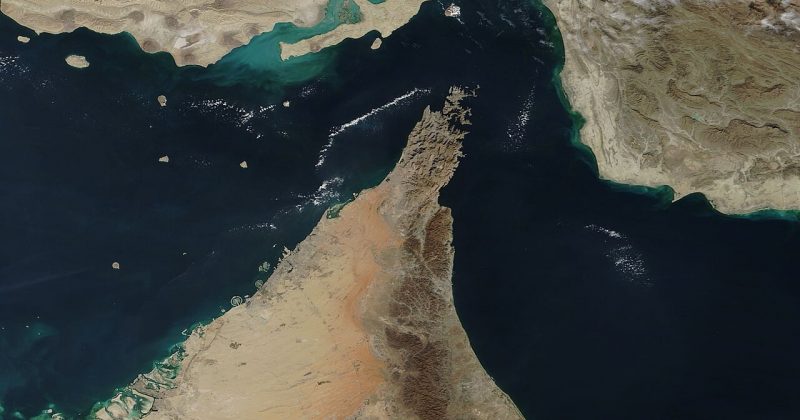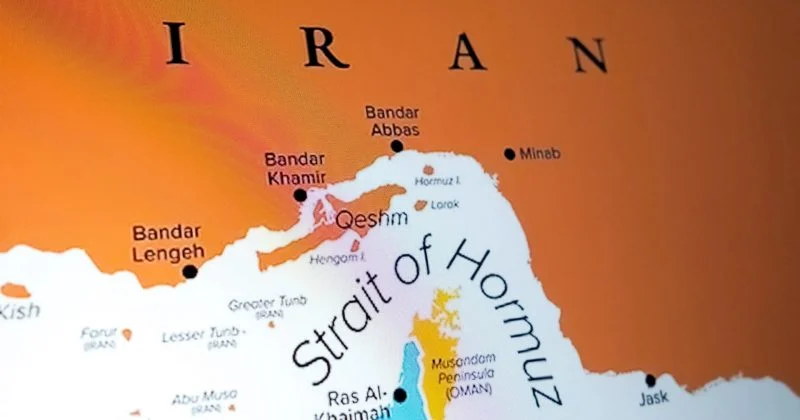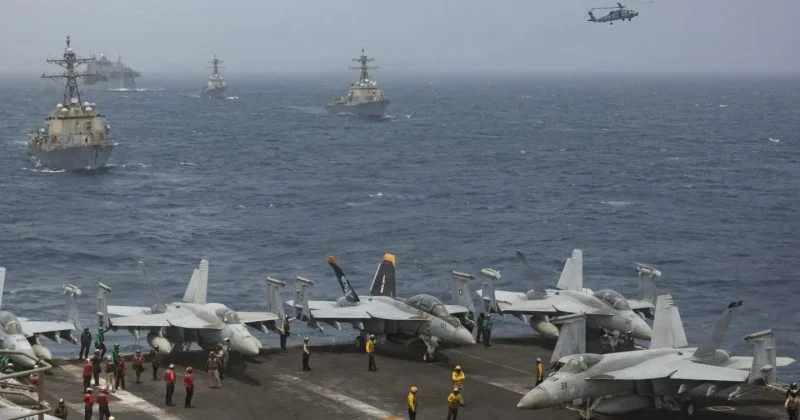
Oil markets are facing a significant adjustment as the Strait of Hormuz remains effectively closed due to ongoing geopolitical tensions. The Wall Street Journal reports that Middle East oil producers are adapting to the likelihood that pre-war levels of oil flow through this critical chokepoint will not return. The strait, which previously facilitated the transit of a significant portion of the global oil supply, is now severely restricted, leading to a substantial supply shock in the market. This has contributed to increased oil prices, with Brent crude already exceeding $100 per barrel and potentially rising further if the closure persists.
Key Takeaways
Market behavior suggests that participants are adjusting to a new norm where the Strait of Hormuz may not fully reopen, consistent with sustained supply disruptions.
The closure of the strait appears to have bolstered expectations of higher oil prices, with markets pricing a significant probability of WTI crude oil hitting higher price targets in July.
Current pricing reflects a strong indication that market participants are factoring in continued geopolitical uncertainty and its impact on oil supply.