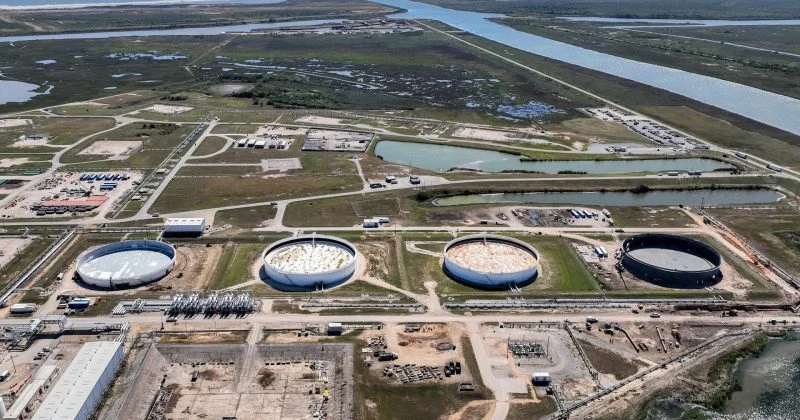
The United States just hit a milestone nobody wanted. The Strategic Petroleum Reserve dropped by roughly 3 million barrels to 316.5 million barrels as of the week ending July 10, 2026, the lowest reading since April 1983. To put that in perspective, the reserve sat somewhere between 331 and 340 million barrels as recently as June 2026. That’s a steep drop in a very short window.
The timing matters. The drawdown comes against a backdrop of escalating military and diplomatic pressure in the Middle East, following the onset of the US-Israeli conflict with Iran that began in late February 2026. Since that point, the cumulative drain on the reserve has reached 98.9 million barrels.
What the SPR actually is, and why 316 million barrels sounds bigger than it is
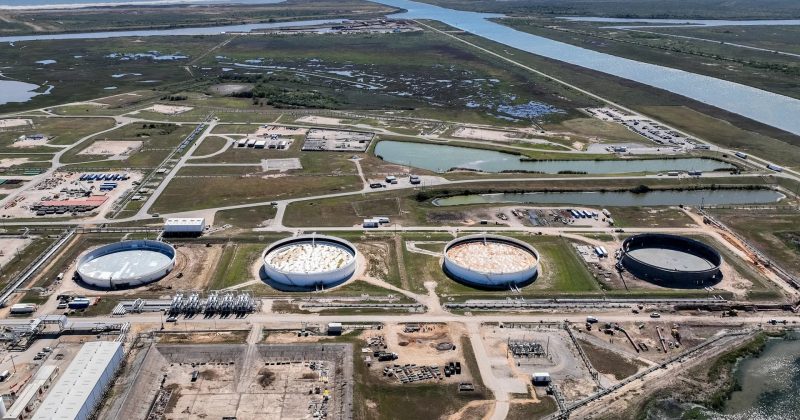
Think of the Strategic Petroleum Reserve as the country’s emergency gas can. It was created in the 1970s after the Arab oil embargo, specifically to give the US a buffer against sudden supply shocks. The reserve has a maximum capacity of 713.5 million barrels, which means the current 316.5 million barrel inventory sits at roughly 44% of total capacity.
The government has authorized a planned release of up to 172 million barrels to help manage fuel price pressures caused by rising geopolitical risks. That release program, combined with the ongoing conflict dynamics, explains how nearly 100 million barrels evaporated from the reserve in less than five months.