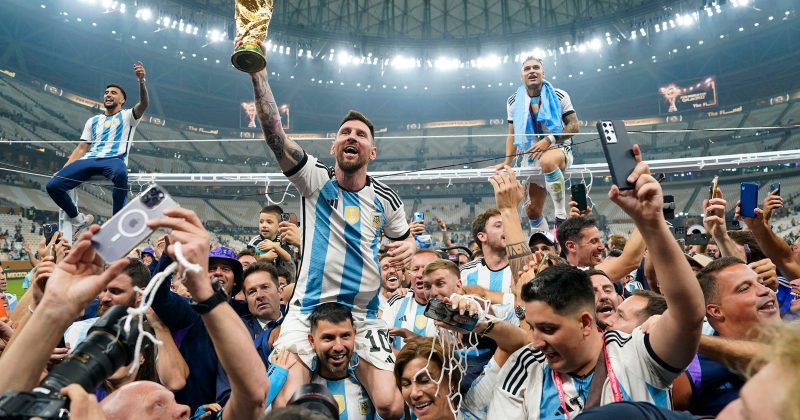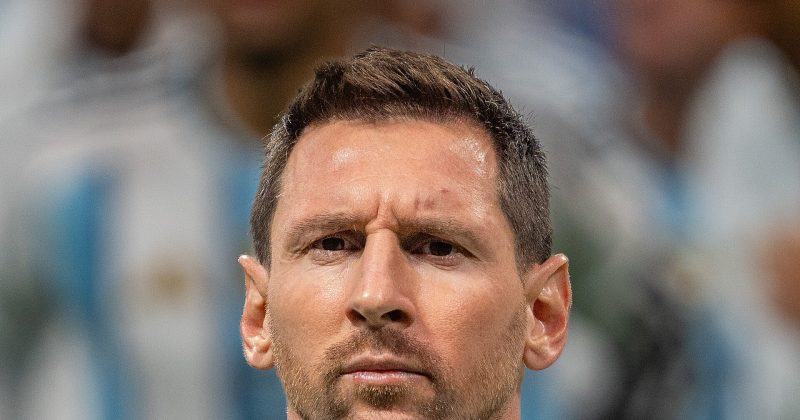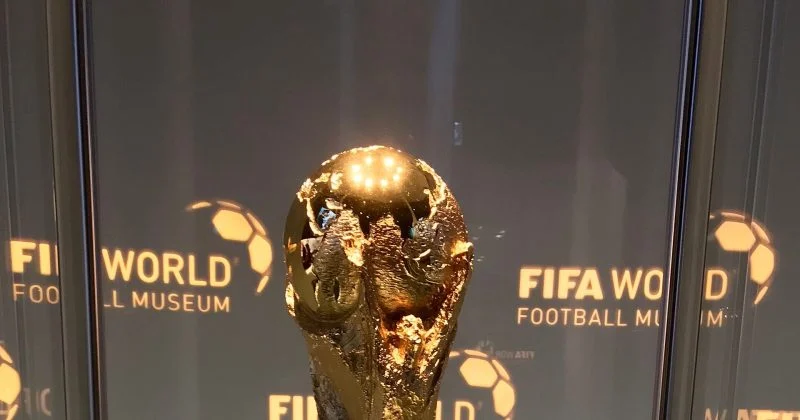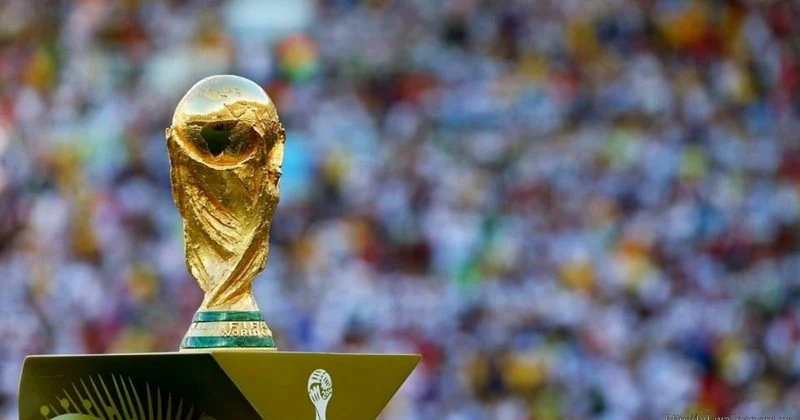
England’s Nico O’Reilly, the 21-year-old Manchester City defender, is gearing up for what he calls a “once-in-a-lifetime opportunity” to face Lionel Messi in the 2026 FIFA World Cup semi-final against Argentina. It’s the kind of storyline that captivates billions of eyeballs worldwide. And yet, despite an industry that has spent years plastering logos on jerseys and stadiums, the crypto sector remains remarkably disconnected from the actual narratives driving global sports.
O’Reilly has started five of England’s six World Cup matches this tournament, establishing himself as a key figure in the squad. His potential matchup against Messi, who at 39 continues to anchor Argentina’s campaign, is the sort of David-meets-Goliath drama that sponsorship departments dream about. But the digital asset industry, which once seemed poised to embed itself permanently into professional football, is largely watching from the sidelines.
Crypto’s football experiment: a mixed scorecard
Rewind a few years and the picture looked very different. Crypto exchanges were spending hundreds of millions on stadium naming rights, jersey patches, and ambassador deals with clubs across Europe and South America. Fan tokens, which gave holders voting rights on trivial club decisions like what song plays after a goal, were pitched as the future of sports engagement.