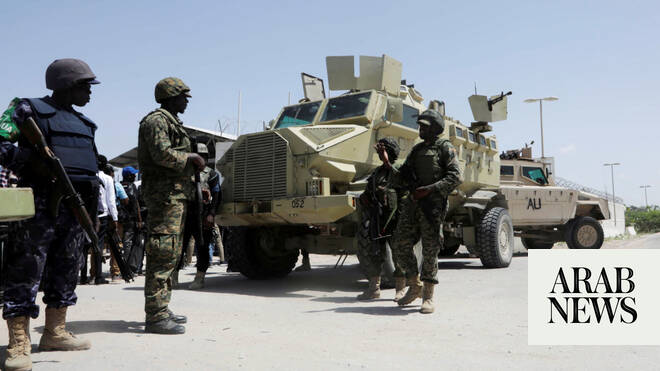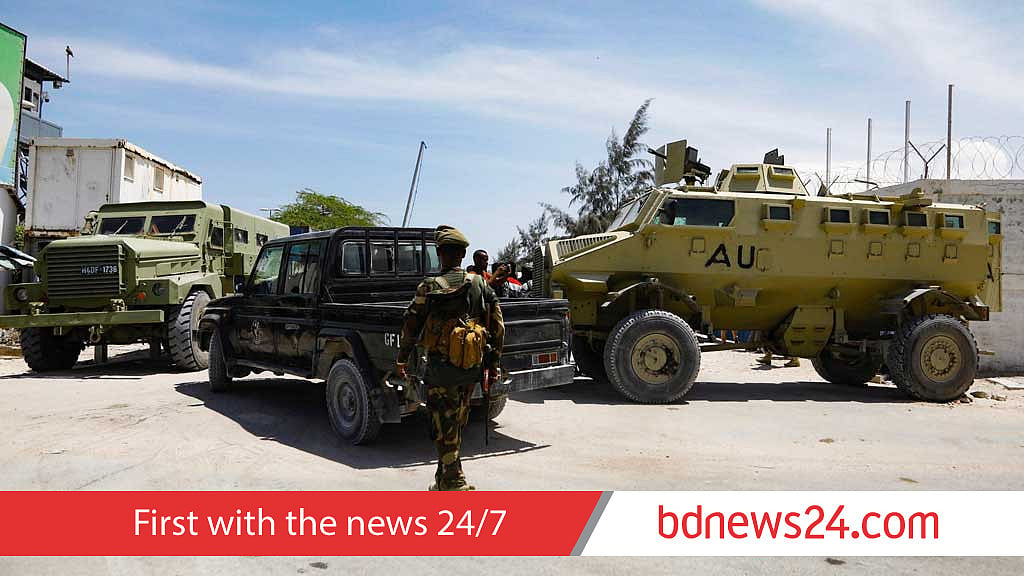
On July 1, when the United States informed the African Union it would no longer finance the United Nations Support Office in Somalia (UNSOS), the logistical backbone of the African Union Support and Stabilization Mission in Somalia (AUSSOM), beyond December 2026, the reaction was immediate. One prediction dominated: Somalia was about to become a crisis zone like Afghanistan. Others argued the opposite, that the Somali National Army (SNA) has matured enough to assume full responsibility for national security. Both arguments ask the wrong question.
The debate is not whether Somalia will collapse once AUSSOM ends, nor whether the SNA can already replace nearly two decades of international assistance, but whether Somalia can transition from externally guaranteed to nationally sustained security. Peacekeeping missions are not designed to last forever. Their purpose is to create space for national institutions to develop, not to substitute for the state indefinitely. Whether Somalia succeeds after AUSSOM will depend less on the departure of foreign troops than on the institutions left behind, which requires understanding the three transitions Somalia has passed through, and why the third is proving hardest.