Listen
/
1.0x
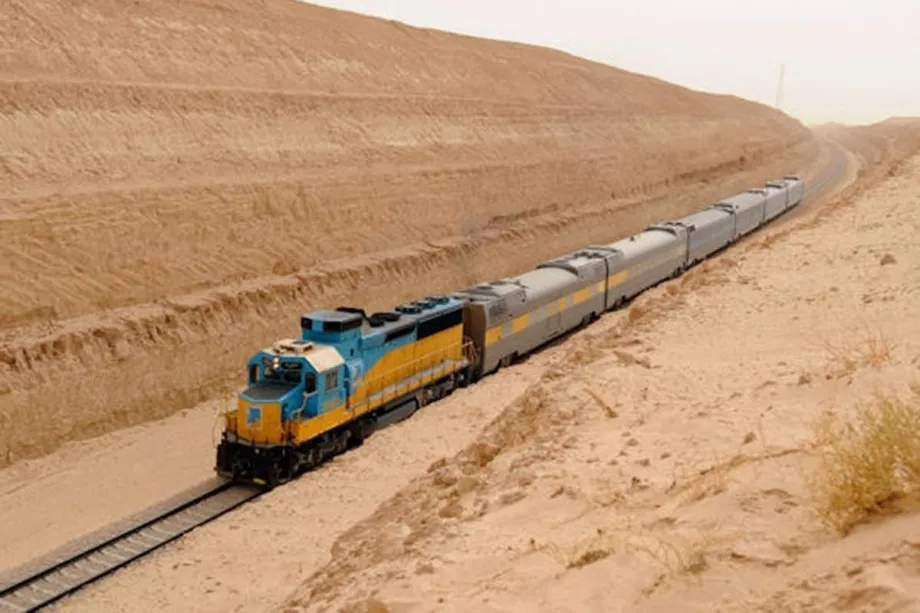
History is not so much past as vigorously present, often a scab to be irritated in fitful anger, or a romantic affectation to be cherished. When it comes to controlling trade and establishing new routes, this is particularly apt. The Hejaz Railway project, seemingly long past, is now being dusted down. In a June 9 memorandum of understanding signed between Türkiye and Saudi Arabia, a railway line is envisaged between the two countries that will traverse Jordan and Syria and create a strategic logistics artery linking the Gulf states to Europe.
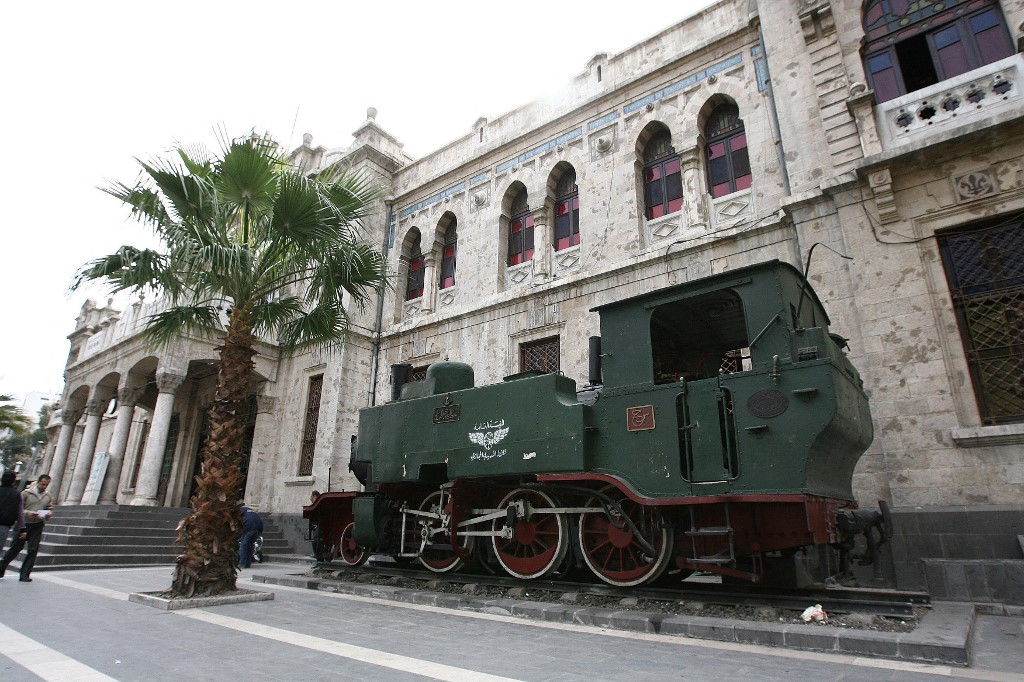
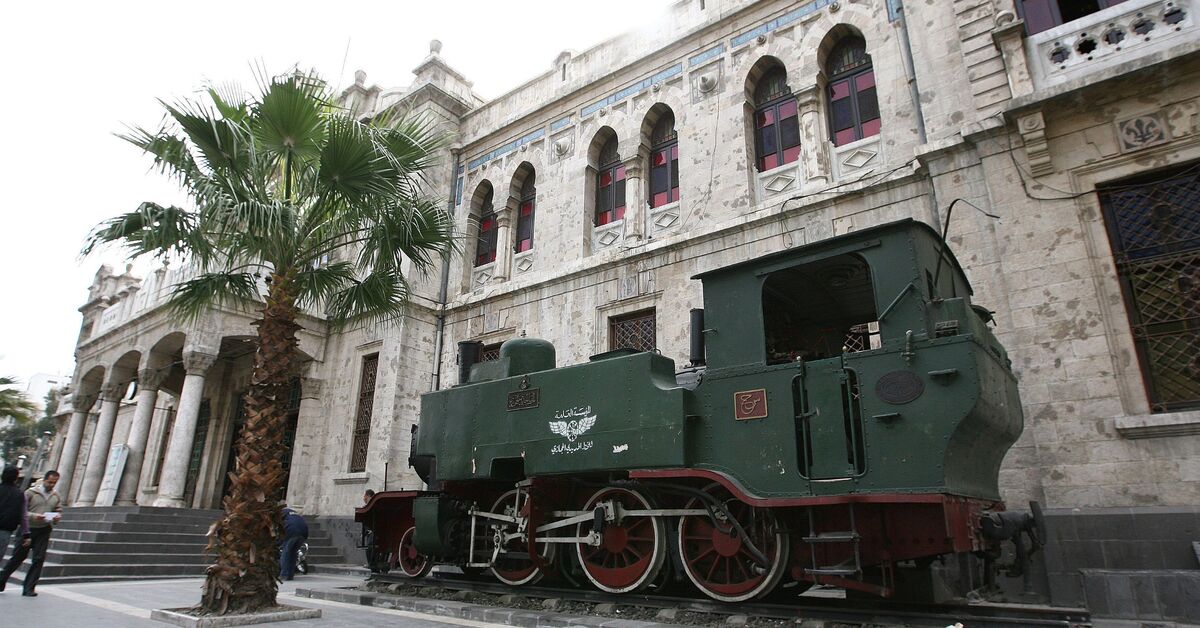
According to a media release from the Saudi Press Agency, the agreement will focus “on enhancing cooperation on railway standards, technologies, and related innovations, while facilitating the exchange of expertise and knowledge on best practices in the design, operation and maintenance of railway projects.” There is much in the way of everything railway related – engineering, expertise, maintenance, innovations – but the historical, and strategic potency of the agreement is unmistakable. As former advisor to the Saudi Ministry of Foreign Affairs, Salem Al-Yami, wistfully notes, this new project draws inspiration from the Ottoman-era railway built in 1900, covering 1,300 kilometres from Damascus to Medina.