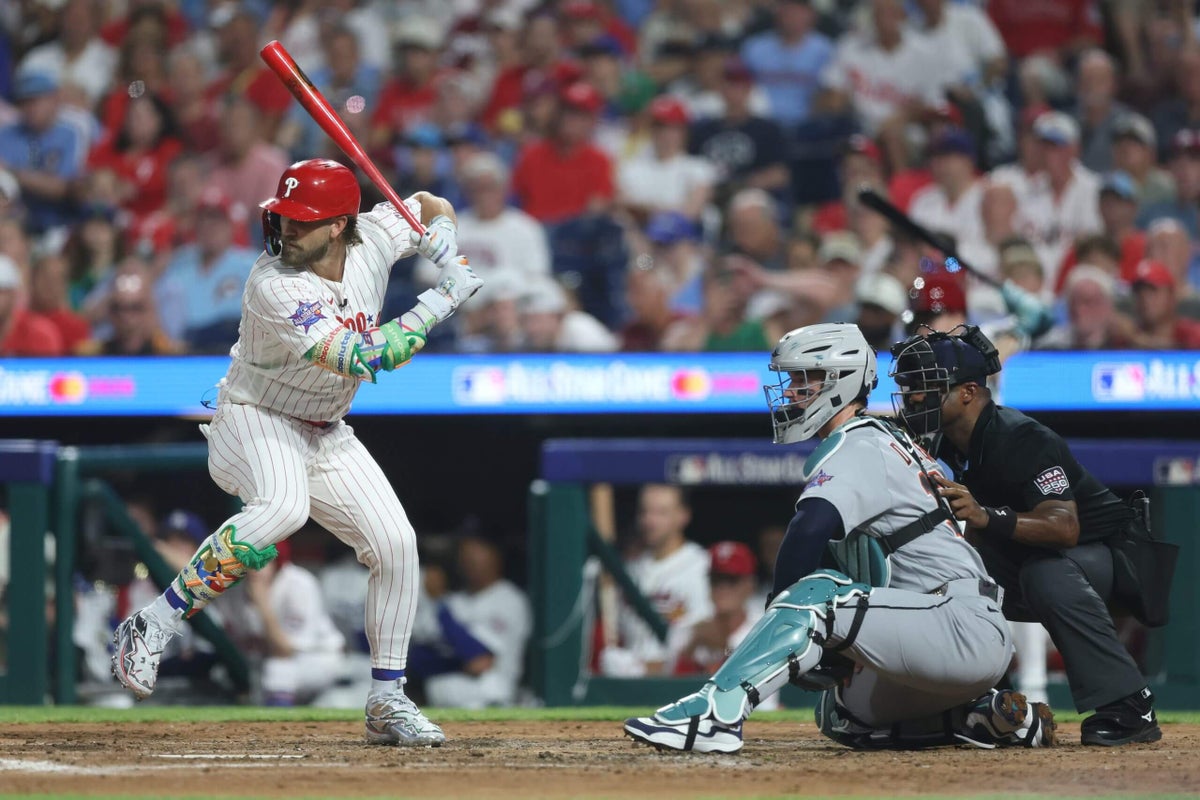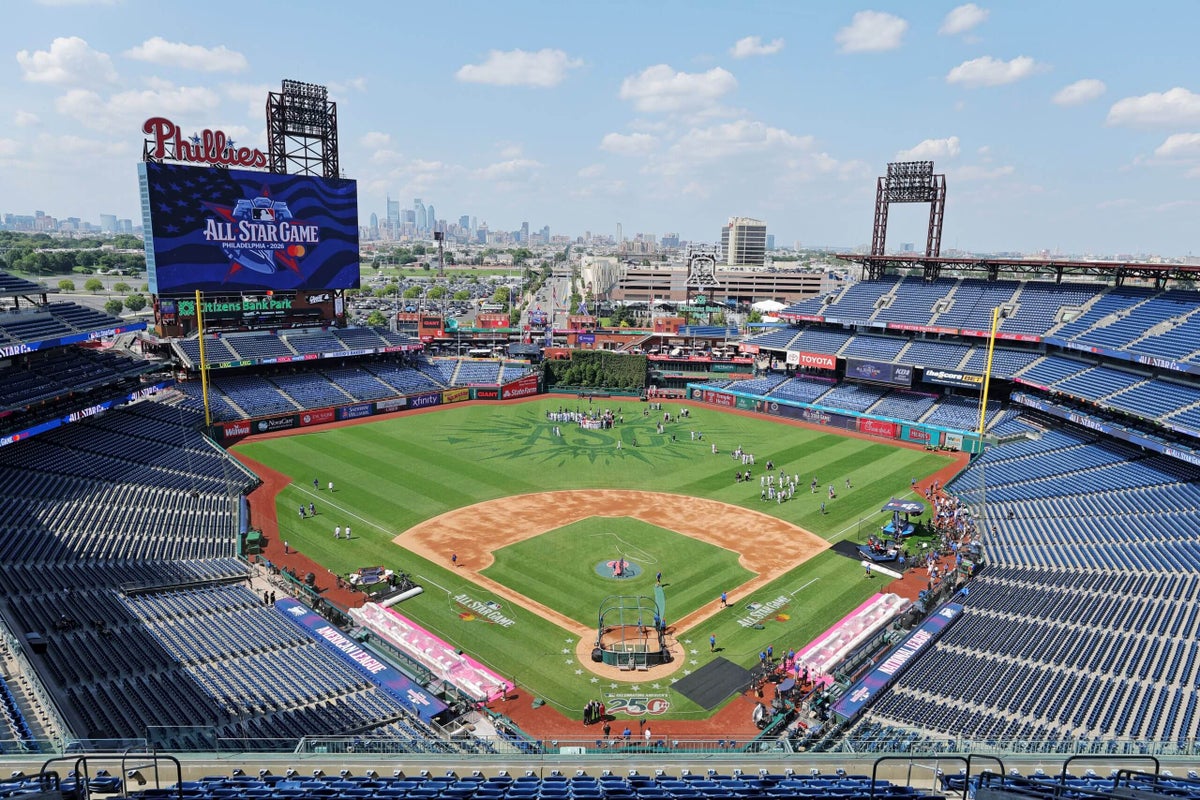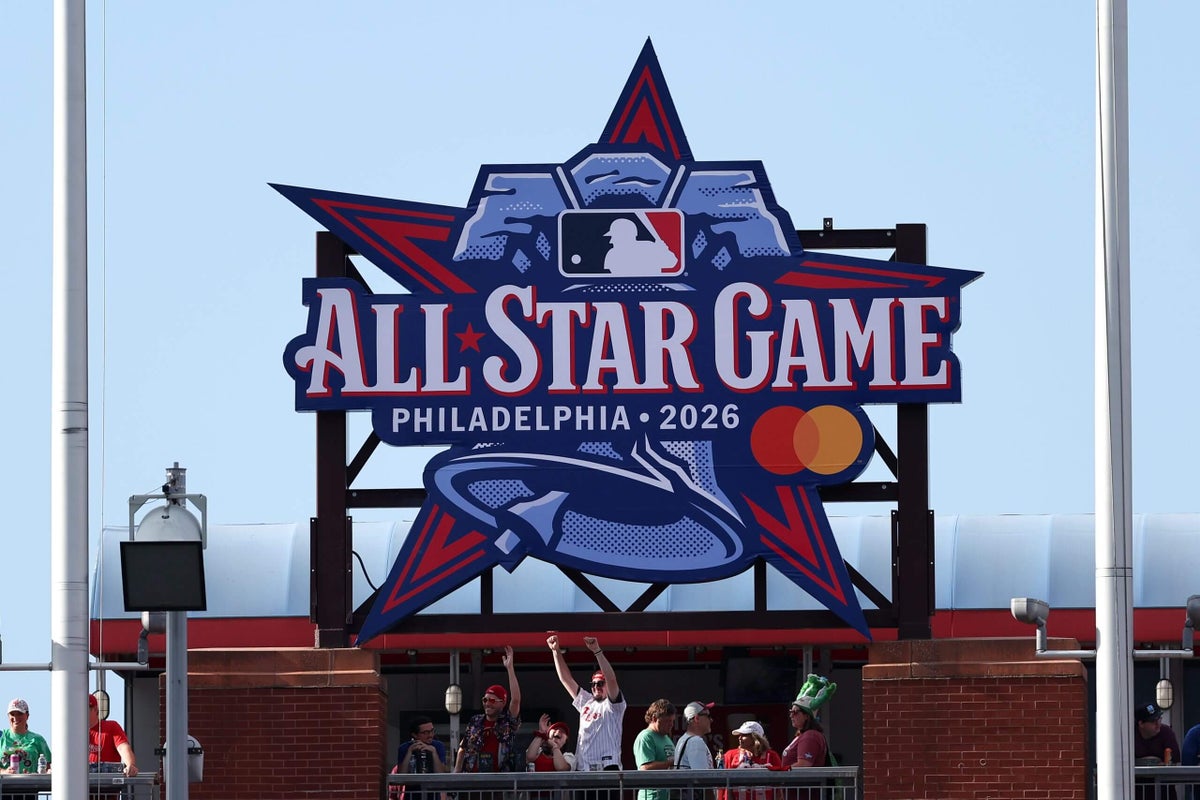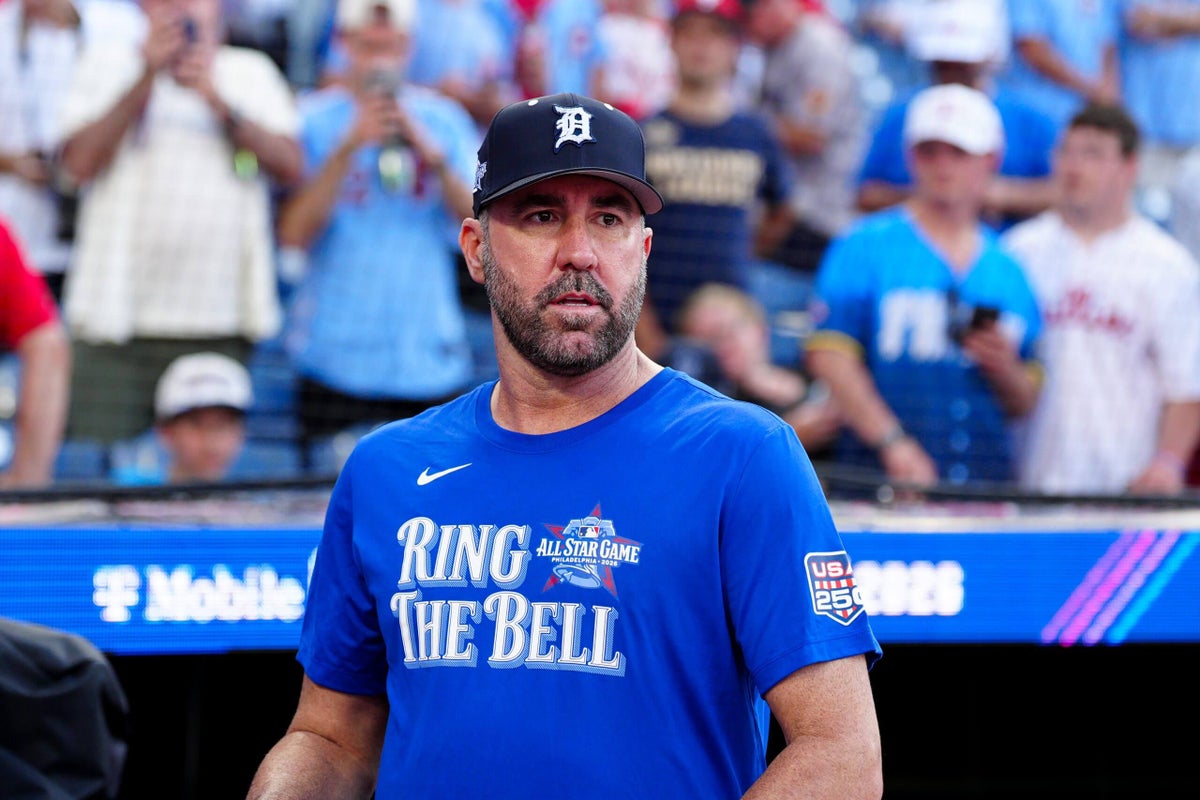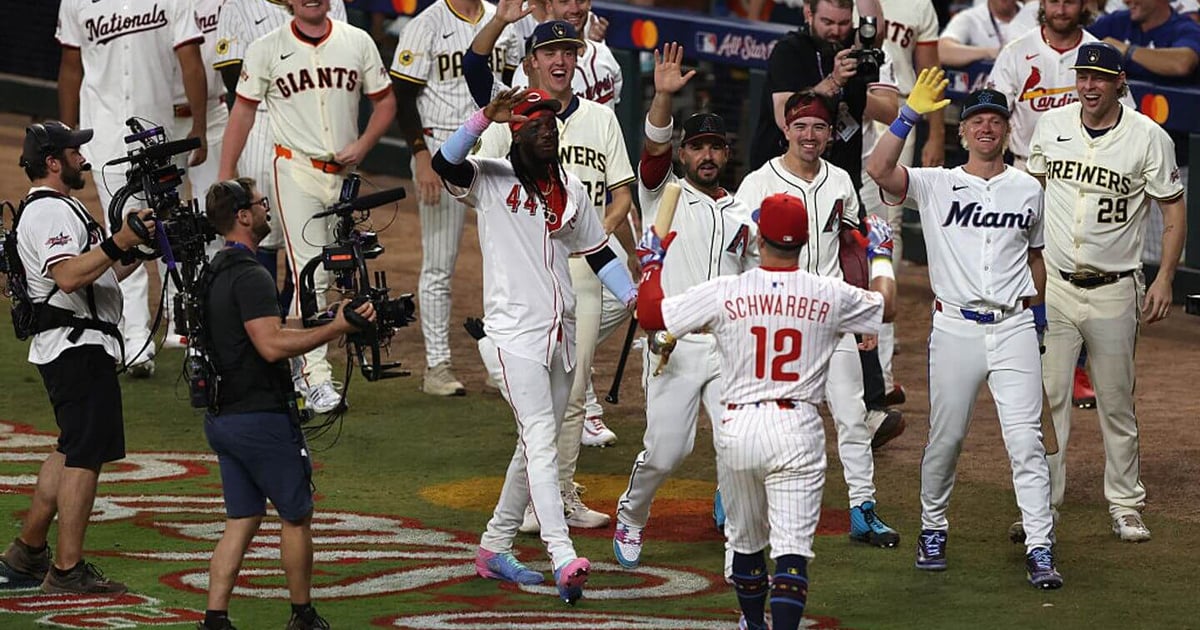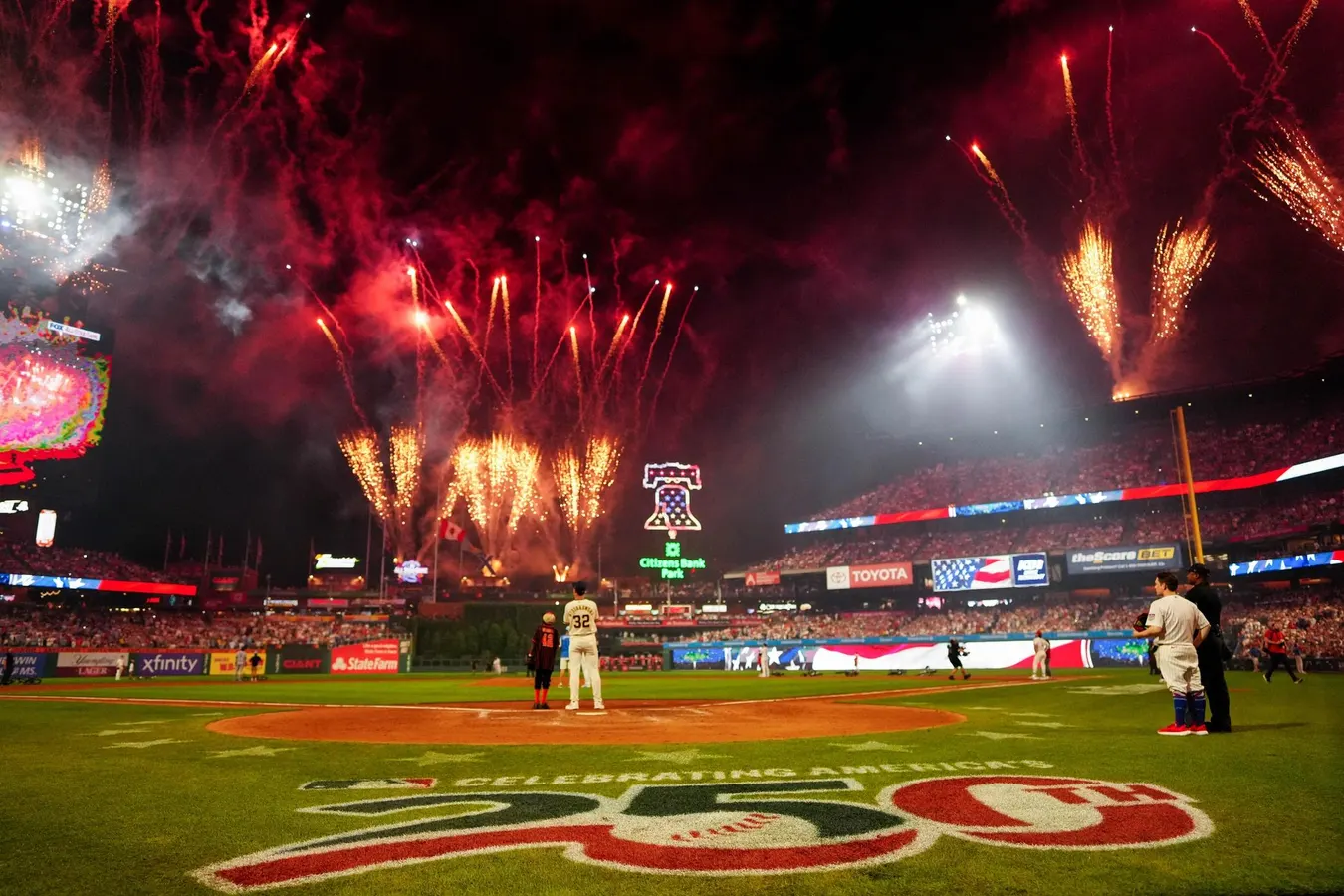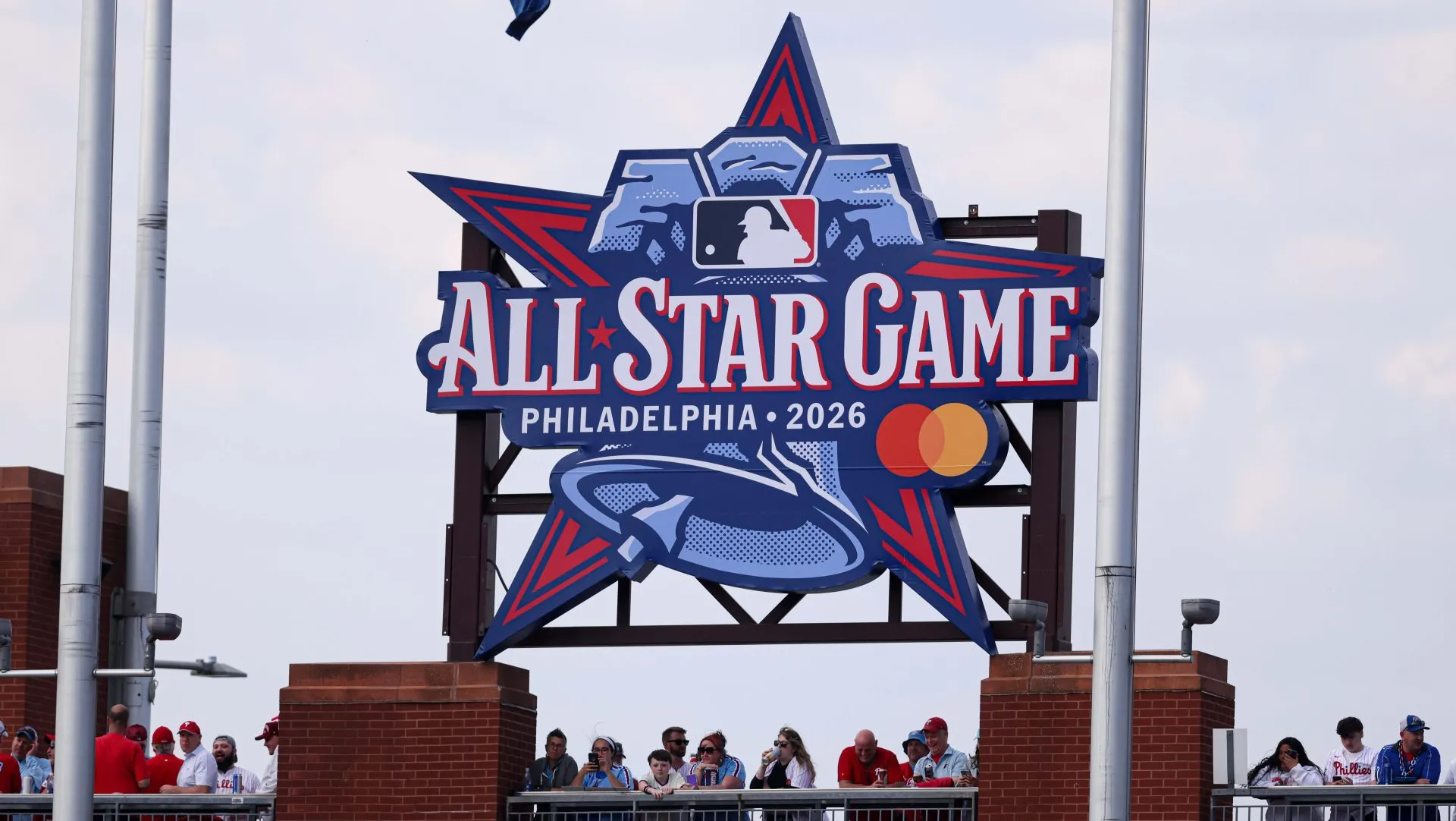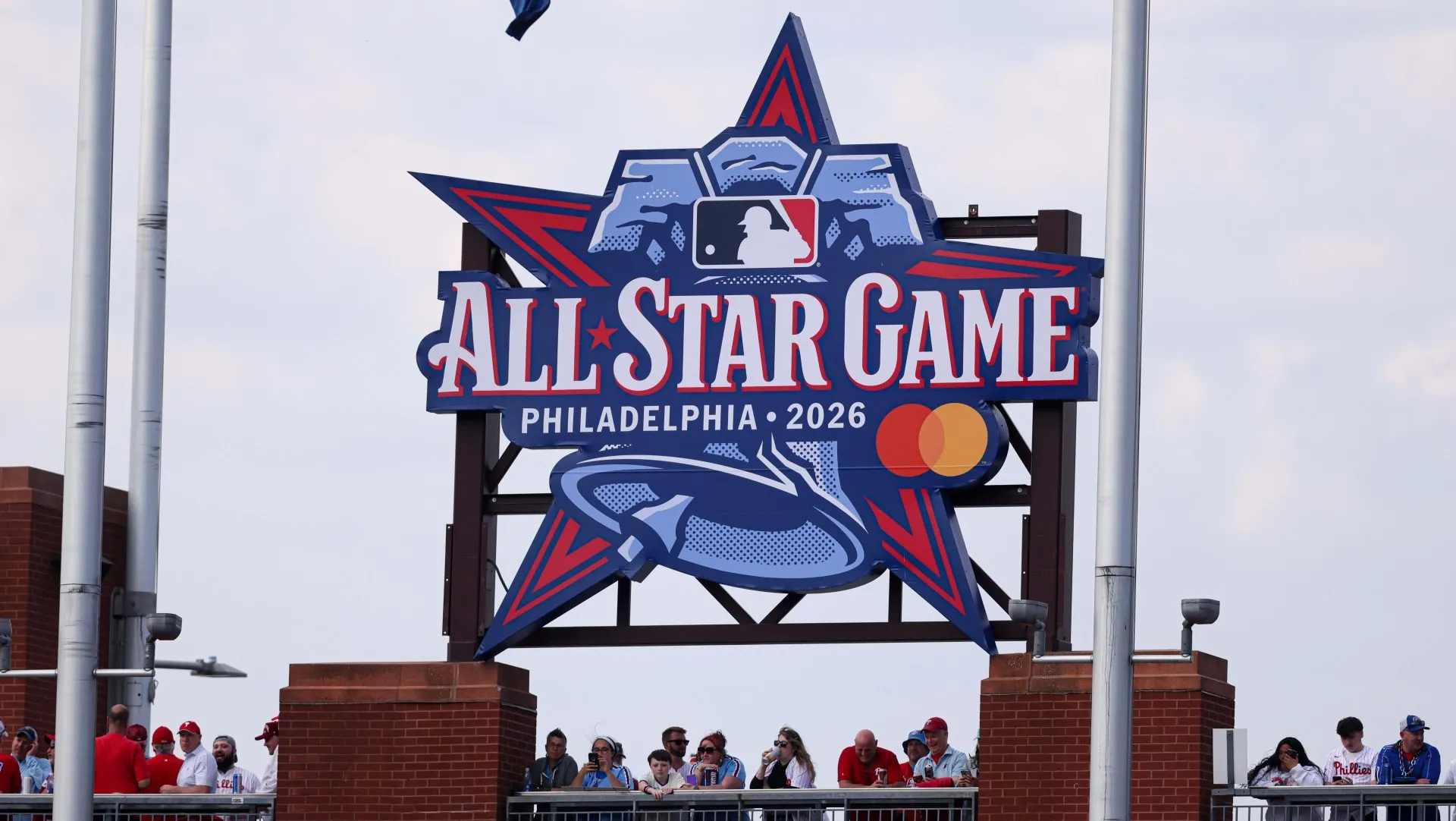
PHILADELPHIA — MLB’s All-Star Game activities in the City of Brotherly Love are in full flight, with Monday’s Home Run Derby featuring a new broadcaster and a star-filled lineup, and Tuesday’s Midsummer Classic set to happen despite the mounting player absences.
But could this be the last All-Star Game for the foreseeable future?
The league is approaching its midseason showcase in a particularly delicate position. On one hand, the game has arguably never been stronger, and key business metrics support that notion. Attendance is up again this season, entering the break with a 1.5% increase in the per-game average to 29,169, and is in line to end with a fourth straight annual boost—something that hasn’t happened since 2004–07. National TV audiences also are growing, with a new set of short-term rights deals paying significant dividends.
Most recently, NBC Sports’ Sunday Night Baseball coverage of a Yankees–Red Sox averaged 4 million viewers, the most for MLB in that window on any network in 15 years.
All of those gains, in part, continue to benefit from the impactful introduction of the pitch clock in 2023 and the automated ball-strike (ABS) system this year. A strategy to place more games in national broadcast windows, modeled somewhat on other major sports leagues, is similarly driving wider fan awareness and appeal.